Plum Tomatoes vs Regular Tomatoes What’s the Difference?

Plum Tomatoes are a staple ingredient in kitchens worldwide. They are versatile, nutritious, and can be used in a variety of dishes ranging from fresh salads to cooked sauces. Among the many varieties, plum tomatoes and regular tomatoes are two of the most popular. While both belong to the same botanical family, they differ significantly in appearance, taste, texture, culinary applications, and nutritional content. Understanding these differences can help cooks, chefs, and health-conscious individuals make informed choices in the kitchen and in their diet.
1:Appearance and Size Differences
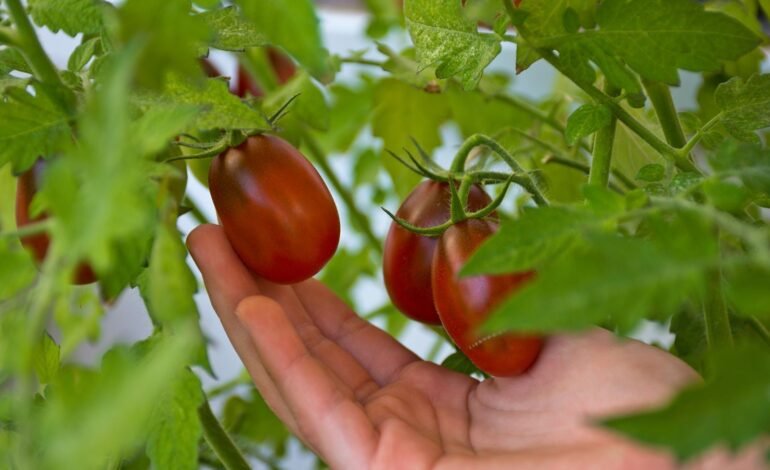
Plum tomatoes, also called Roma tomatoes, have an oblong or cylindrical shape. They are smaller than typical round tomatoes, with a firm texture and fewer seeds. Their concentrated flesh makes them ideal for cooking, as they produce thicker sauces and reduce excess water content.
In contrast, regular tomatoes are round, juicy, and generally larger than plum tomatoes. They contain more seeds and water, which contributes to their juiciness. Their softer texture makes them ideal for fresh consumption, such as slicing for sandwiches or dicing into salads.
The visual distinction between these varieties is clear: tomatoes are elongated with a denser interior, while regular tomatoes are round and plump. This difference in size and shape also influences how they cook, store, and blend into dishes.
2:How Plum and Regular Tomatoes Perform in Recipes
Texture is a key factor distinguishing tomatoes from regular ones. The firm flesh of tomatoes holds up well during cooking. This makes them perfect for sauces, pastes, roasting, and canning. They do not become mushy easily, which ensures a consistent texture in cooked dishes.
Regular tomatoes, with their high water content, are juicier and softer. While they can be cooked, their water content may dilute sauces, making them more suitable for raw preparations like fresh salsas, salads, or sandwiches.
In professional kitchens, tomatoes are preferred for Italian cuisine, including pasta sauces, pizza toppings, and tomato-based soups. Regular tomatoes are more versatile for fresh dishes where juiciness and light flavor are desired.
3:How Taste Varies Between Tomatoes
The flavor of tomatoes varies between these two types. Tomatoes have a rich, slightly tangy, concentrated taste. This robust flavor enhances cooked dishes and sauces, making them more flavorful without needing additional seasoning.
Regular tomatoes, on the other hand, have a lighter and sometimes sweeter flavor. They are ideal for fresh consumption because their milder taste complements salads, sandwiches, and fresh toppings without overpowering other ingredients.
Cooking methods can also influence the flavor. Roasting tomatoes can further enhance their natural sweetness and intensify their concentrated taste, while regular tomatoes are often better lightly sautéed or served raw to preserve their delicate flavor.
4:Health and Nutrient Comparison
Both plum and regular tomatoes are highly nutritious, but subtle differences exist. Plum tomatoes tend to have slightly higher levels of lycopene, a powerful antioxidant known for supporting heart health, reducing oxidative stress, and protecting skin.
Both types provide essential vitamins and minerals such as vitamin C, vitamin A, potassium, folate, and dietary fiber. They are low in calories and fat, making them excellent additions to a healthy diet. Regular tomatoes, with their higher water content, may contain slightly lower concentrations of these compounds per unit of weight, but they still provide significant nutritional value.
5:Maintaining Freshness and Durability
Storage capabilities differ between the two varieties. tomatoes, due to their firm texture, last longer at room temperature without spoiling quickly. They are also ideal for preserving methods such as canning, drying, or making tomato paste.
Regular tomatoes are softer and more delicate, which makes them prone to bruising and spoilage. They should be consumed relatively quickly or stored carefully to maintain freshness. For long-term storage, refrigeration is recommended, though it may affect their flavor and texture slightly.
6:Tomato Preparation and Uses
Plum tomatoes excel in cooking methods that require concentrated flavors. They are perfect for:
- Sauces and pastes: Their dense flesh reduces excess water, creating thick, flavorful sauces.
- Roasting and grilling: Roasting enhances sweetness and depth of flavor.
- Canning: Firm texture ensures the tomatoes hold their shape during preservation.
Regular tomatoes work best in preparations that highlight freshness:
- Salads: Diced or sliced for crisp texture and natural juiciness.
- Sandwiches: Sliced for a juicy addition to burgers, wraps, or paninis.
- Salsa: Combines well with herbs and spices for fresh dips.
7:Nutritional and Wellness Advantages
Both plum and regular tomatoes offer health benefits. They are rich in antioxidants, which reduce inflammation and oxidative stress. Lycopene, abundant in tomatoes, is associated with reduced risk of heart disease and certain cancers. Vitamins C and A boost immunity, promote skin health, and support eye function. Fiber aids digestion and helps maintain a healthy weight.
Including both types in a balanced diet provides complementary benefits: concentrated nutrients and antioxidants from tomatoes and hydration and lighter flavor from regular tomatoes.
8:Tips for Selecting and Storing Tomatoes
- Choose firm, brightly colored tomatoes for cooking. Avoid those with wrinkles or soft spots.
- Regular tomatoes should be ripe but not over-soft. Slightly firm ones last longer.
- Store tomatoes at room temperature away from direct sunlight. Refrigerate only when necessary.
- For sauces, roasting tomatoes enhances flavor while retaining nutrients.
Wrap up
Plum tomatoes and regular tomatoes may look similar, but their differences in shape, texture, flavor, and nutritional profile make each suitable for specific culinary purposes. Tomatoes are ideal for concentrated sauces and cooked dishes, while regular tomatoes shine in fresh, raw applications. Both are nutritious and versatile, offering antioxidants, vitamins, and fiber that support overall health. Knowing when and how to use each variety allows home cooks and professional chefs to maximize flavor, texture, and nutritional benefits in every meal.
Reader Questions Answered
1. Are plum tomatoes better for cooking than regular tomatoes?
Yes. Their firm flesh and concentrated flavor make them ideal for sauces, roasting, and paste.
2. Can regular tomatoes be used for sauces?
Yes. but their high water content may dilute the sauce; cooking longer can help thicken it.
3. Which type has more lycopene?
tomatoes generally have slightly higher lycopene levels due to their concentrated flesh.
4. How should I store tomatoes?
Keep them at room temperature for several days; refrigerate only if they start to soften.
5. Are both types equally nutritious?
Yes. both provide vitamins, minerals, antioxidants, and fiber, though tomatoes may have slightly more lycopene per weight.