
7 Signs Your Skin Rash Could Be Related to Chlamydia
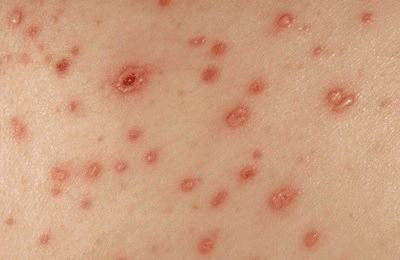

A skin rash can develop for many reasons, including allergies, infections, medications or autoimmune conditions. Many people wonder whether a chlamydia skin rash is possible. Although Chlamydia usually does not cause a skin rash directly some people may develop skin changes due to complications linked to the infection such as reactive arthritis. Understanding the possible signs can help you seek medical care early and avoid serious health problems.
What Is Chlamydia Skin Rash?
A chlamydia skin rash is a rare complication of a Chlamydia infection. Most people experience symptoms like painful urination, unusual discharge or pelvic pain instead of skin problems. In uncommon cases skin rashes may develop as part of reactive arthritis. If you notice an unexplained rash along with STI symptoms and seek medical evaluation promptly.
Red or Inflamed Skin Patches
One possible sign is the appearance of red, inflamed patches on different parts of the body. These areas may look irritated and feel warm to the touch. Although many conditions can cause redness, persistent skin inflammation together with symptoms of chlamydia deserves medical attention.
Small Painless Skin Lesions
Some people may develop small painless lesions on the skin especially on the palms of the hands or soles of the feet. These lesions can appear as part of reactive arthritis rather than the infection itself.
Ignoring unusual skin lesions may delay diagnosis and treatment.
Scaly or Thickened Skin
A rare complication may cause dry, scaly or thickened skin or particularly on the feet. The affected areas may resemble psoriasis or eczema and making professional diagnosis important.
A healthcare provider can determine the actual cause through examination and appropriate testing.
Rash With Joint Pain
A skin rash accompanied by joint pain, swelling or stiffness may indicate reactive arthritis. This condition develops when the immune system reacts to a previous infection.
People often experience discomfort in the knees, ankles or feet along with skin symptoms.
Rash Along With Eye Irritation
Some individuals develop red, painful eyes together with skin changes and joint pain. Eye inflammation also known as conjunctivitis or uveitis, may occur as part of reactive arthritis.
This combination of symptoms requires prompt medical evaluation.
Persistent Rash That Does Not Improve
A rash that continues for several weeks despite using common skin creams should never be ignored.
Persistent skin changes may signal an underlying medical condition that requires proper diagnosis instead of self-treatment.
Rash With Other Chlamydia Symptoms
The possibility of a chlamydia skin rash becomes more important if the rash appears together with symptoms such as:
- Pain during urination
- Unusual genital discharge
- Lower abdominal pain
- Pain during sexual intercourse
- Rectal discomfort or discharge
Experiencing both skin and genital symptoms should encourage you to schedule a medical examination as soon as possible.
Medical Treatment and Self-Care Tips
Treatment depends on the underlying cause of the rash. If Chlamydia is confirmed through laboratory testing your healthcare provider will prescribe antibiotics to clear the infection.
You can also support recovery by following these healthy practices:
- Complete the full course of antibiotics exactly as prescribed.
- Avoid sexual activity until treatment is completed and your healthcare provider confirms it is safe.
- Inform recent sexual partners so they can receive testing and treatment if necessary.
- Practice safe sex by using condoms consistently.
- Maintain good personal hygiene.
- Drink plenty of water and follow a balanced diet.
- Attend follow-up appointments if symptoms continue or worsen.
- Never use leftover antibiotics without medical advice.
Quick Note
A chlamydia skin rash is uncommon and usually develops because of complications such as reactive arthritis not from the infection itself. Most people with chlamydia do not develop a rash. However if skin changes appear together with joint pain, eye irritation or common chlamydia symptoms and medical evaluation is essential. Early diagnosis, proper antibiotic treatment and safe sexual practices can prevent complications and support a full recovery.
Frequently Asked Questions
1. Is a skin rash a common symptom of chlamydia?
No. A skin rash is not a common symptom of chlamydia. It usually appears only in rare complications such as reactive arthritis.
2. Can antibiotics treat a chlamydia-related skin rash?
Yes. If the rash is linked to a confirmed Chlamydia infection, antibiotics help treat the infection. Additional treatment may be needed for skin or joint symptoms.
3. What does a chlamydia-related rash look like?
It may appear as red patches, scaly skin or small painless lesions but these findings are uncommon and can resemble other skin conditions.
4. Should I see a doctor if I have a rash and genital symptoms?
Yes. You should seek medical care as soon as possible because testing is necessary to identify the exact cause and begin the correct treatment.
5. Can chlamydia be prevented?
Yes. Practicing safe sex using condoms consistently getting regular STI screenings and ensuring both partners receive treatment when needed can significantly reduce the risk of chlamydia.