
Avocado Honey Side Effects: What to Know Before Using It
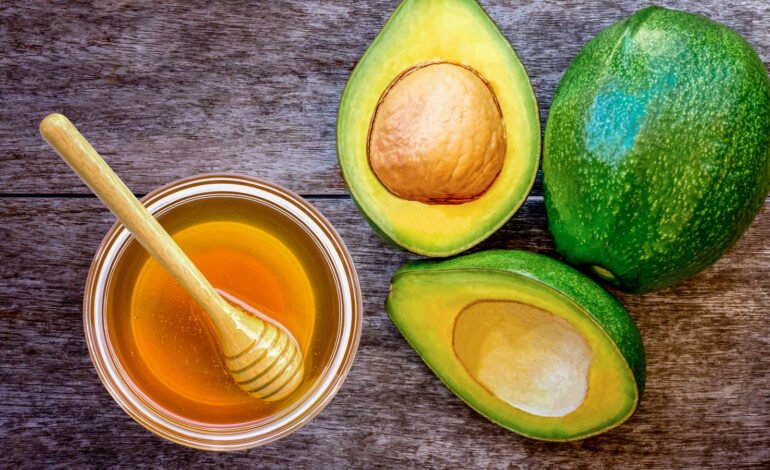

Honey is often viewed as a natural sweetener but being natural does not mean it is suitable for everyone in unlimited amounts. Avocado honey is a floral honey made from nectar collected from avocado blossoms. Like other honey varieties its main nutritional concern is its sugar content.
Most healthy adults can generally enjoy honey in moderate amounts. However certain people may need to limit it or avoid it altogether. Allergies, blood sugar control, age and individual tolerance can all affect how a person responds.
Is Avocado Honey Safe For Adults?
For most healthy adults moderate honey intake is generally considered safe. The main concern is portion size because honey is a concentrated source of sugars and calories.
The fact that honey comes from avocado flowers does not make it sugar-free or significantly lower in calories. It should still be treated as a sweetener and included as part of an overall balanced diet.
There is also limited research specifically examining adverse effects unique to avocado-derived honey. Therefore most safety considerations come from research on honey and other bee products in general rather than this specific variety.
How Honey Can Affect Blood Glucose
Honey contains naturally occurring sugars mainly fructose and glucose. Eating a large amount can contribute a substantial carbohydrate load and may raise blood glucose.
People with diabetes or impaired blood glucose control should consider honey as part of their overall carbohydrate intake rather than assuming that natural sugar has no effect on blood glucose.
This does not necessarily mean that someone with diabetes must completely avoid honey. Portion size, total carbohydrate intake, medication and individual glucose response all matter. A healthcare professional or registered dietitian can provide advice based on individual needs.
Allergic Reactions Are Possible
Allergic reactions to honey and other bee products are uncommon but they can occur.
Research has reported allergic reactions associated with bee products including honey. Reactions can range from relatively mild symptoms to more serious systemic responses. People with known allergies to bee products or certain pollen sources may need extra caution.
Possible allergy symptoms can include:
- Itching or tingling
- Skin rash or hives
- Swelling
- Stomach discomfort
- Wheezing or breathing difficulty
Key Points to Know:Anyone who develops severe breathing problems, swelling of the throat or signs of anaphylaxis after eating a food should seek emergency medical care.
Digestive Discomfort From Too Much Honey
Large amounts of honey may cause digestive discomfort in some people.
Because honey contains different sugars and carbohydrates consuming a lot at once may lead to bloating, loose stools, stomach discomfort or nausea in sensitive individuals.Tolerance varies considerably. A small amount used in tea, yogurt, oatmeal or another meal may be easier to tolerate than several spoonfuls consumed at once.
If digestive symptoms repeatedly occur after eating honey, stopping the product and discussing the pattern with a healthcare professional may be appropriate.
Honey and Infant Safety
This is the most important safety warning.
Children younger than 12 months should not consume honey. The CDC states that honey can contain Clostridium botulinum spores which can grow in an infant’s intestine and cause infant botulism a serious illness.
This warning applies regardless of whether the honey is raw, processed, local, organic or derived from avocado blossoms.Honey should not be added to an infant’s food, water, formula or pacifier.
Could It Affect Weight Management?
Honey is often promoted as a healthier alternative to refined sugar. While it can add flavor and contains small amounts of bioactive compounds it remains a calorie-containing sweetener.Using a small amount instead of another added sweetener may fit into a balanced eating pattern. However, regularly adding large quantities can increase total calorie and sugar intake.
For someone trying to manage body weight the important factor is not simply whether the sweetener is natural. Total intake and overall dietary pattern matter more.
Honey and the Risk of Cavities
Honey contains fermentable sugars that oral bacteria can use to produce acids. Frequent exposure to sugary foods and drinks can contribute to tooth decay.This means using honey throughout the day particularly in sticky foods or drinks consumed frequently may increase exposure of teeth to sugar.
Key Points to Know:Simple habits such as brushing with fluoride toothpaste, cleaning between teeth and limiting frequent sugary snacks remain important for oral health.
Avocado Allergy and Potential Honey Reactions
This is an area where people can easily make assumptions.
Having an avocado allergy does not automatically prove that a person will react to honey made from avocado blossom nectar. These are different exposures, and the allergenic proteins involved may not be the same.
At the same time, anyone with a history of serious food or bee-product allergies should not experiment casually with unfamiliar honey. Allergy specialists can assess individual risks more accurately.
Research on bee-product allergies also highlights that reactions can involve different allergens and possible cross-reactivity.
Does Processing Affect Honey Safety?
Processing does not make honey appropriate for infants. The CDC’s recommendation against giving honey to children under one year applies to honey generally.
For adults processing can affect characteristics such as texture, flavor and some components of honey but it should not be viewed as a way to eliminate every possible allergy or safety concern.
Key Points to Know:When buying a product check the ingredient list, source, producer information and storage instructions.
How Much Honey Is Enough?
There is no single amount that works for every person. A reasonable serving depends on the rest of the diet, calorie needs, blood glucose management and personal tolerance.
Instead of consuming several spoonfuls a small amount can be used to add sweetness to:
- Plain yogurt
- Oatmeal
- Tea
- Whole-grain toast
- Homemade dressings
- Smoothies
Key Points to Know:Using a small portion makes it easier to enjoy the flavor without adding excessive sugar to the diet.
When Is Honey Not Recommended?
Stop consuming avocado honey if you notice repeated symptoms such as rash, swelling breathing problems or significant digestive reactions after eating it.A mild reaction may still deserve medical discussion especially if it happens more than once.
For symptoms suggesting a severe allergic reaction particularly difficulty breathing, throat swelling, dizziness or loss of consciousness emergency medical attention is necessary.
Key Safety Points to Remember
The possible concerns are mostly related to the general properties of honey rather than a proven unique toxicity of avocado-derived honey.
| Concern | Who should pay attention? |
| Blood sugar | People managing diabetes or glucose control |
| Allergy | People sensitive to honey or bee products |
| Digestive discomfort | People sensitive to certain sugars |
| Added calories | People monitoring overall calorie intake |
| Tooth decay | People frequently consuming sugary foods |
| Infant botulism | Children under 12 months |
Essential Facts to Know:There is currently no strong evidence showing that avocado-derived honey has a unique set of harmful side effects compared with other honey varieties. The more established concerns involve sugar intake, allergies, oral health and the well-known infant safety issue.
Sum up
Avocado honey can be enjoyed by most healthy adults when consumed in moderate amounts. Its natural origin does not remove the need to consider sugar, calories, allergies and individual tolerance.The most important precaution is for infants: honey should not be given to children younger than 12 months because of the risk of infant botulism.For adults moderation is the key. People with diabetes known allergies or repeated digestive symptoms should consider their individual circumstances before making it a regular part of their diet.
Key Questions Answered
Can adults eat avocado honey every day?
Most healthy adults can include moderate amounts of honey in their diet. However daily intake should still fit within overall sugar and calorie needs.
Can Avocado blossom honey cause an allergic reaction?
Yes. Although uncommon honey and other bee products can trigger allergic reactions in susceptible people.
Is this safe for babies?
No. Honey should not be given to children younger than 12 months because of the risk of infant botulism.
Is it suitable for people with diabetes?
It contains significant amounts of sugar so people with diabetes should account for it within their overall carbohydrate intake.
Does Avocado flower honey have special side effects that other honey does not?
There is not enough evidence to establish a unique side-effect profile for avocado honey. Most safety concerns are the same as those associated with honey generally.
home……..