How to Prevent Varicose Veins With Exercise and Diet
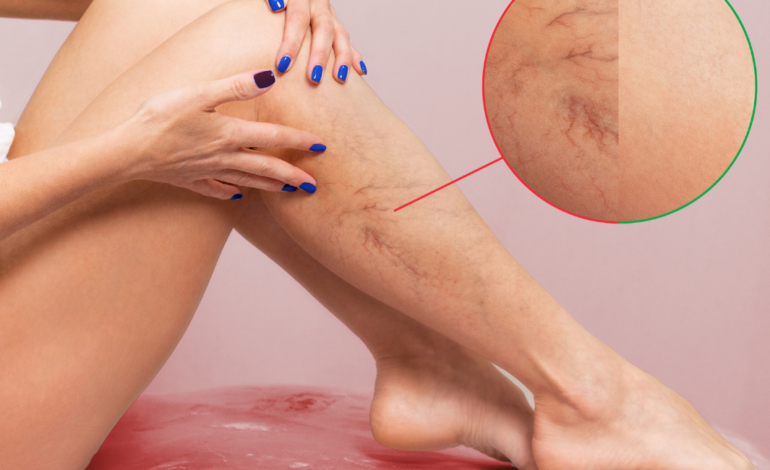

Varicose veins can become more noticeable over time especially when the veins in the legs have difficulty moving blood back toward the heart. Genetics, age, pregnancy, prolonged standing and excess body weight can all increase the likelihood of developing them.
Daily habits can play a useful role in supporting healthy veins. Regular movement, a balanced diet, maintaining a healthy weight and avoiding long periods in one position can support circulation and may help reduce risk of varicose veins.
Prevention cannot guarantee that varicose veins will never develop, particularly when family history or other risk factors are present. However simple lifestyle changes can support better vein health and may reduce some contributing factors.
Keep Your Legs Moving
Regular movement is one of the simplest ways to support healthy circulation. Walking activates the calf muscles which help push blood upward from the lower legs.
Try to include walking in your daily routine. Short walks throughout the day can be useful if you spend several hours sitting at work.
You can also stand up, stretch or walk around for a few minutes every hour. These small breaks can be especially helpful during long periods of sitting.
Try Simple Leg Circulation Exercises
Exercises that activate the calves and ankles can support circulation without requiring complicated equipment.
Useful leg circulation exercises include:
- Walking
- Calf raises
- Ankle circles
- Heel-to-toe movements
- Gentle cycling
- Swimming
- Leg stretches
Calf raises are particularly easy to perform at home. Stand upright, slowly raise your heels, hold briefly and lower them back down.
Key Points to Know:Regular movement is generally more useful than occasional intense workouts. Choose activities that you can comfortably perform on a consistent basis.
Avoid Sitting For Long Periods
Long periods of sitting can reduce normal movement in the legs. This can be a concern for people who work at a desk, travel frequently or spend much of the day seated.
If your work requires prolonged sitting, set reminders to get up and move around. Walking to another room, stretching your legs or performing ankle movements while seated can add useful movement throughout the day.
During long journeys, try to take regular breaks when possible. If you cannot stand up, move your feet and ankles periodically.
Keep Your Legs Moving While Standing
Standing for long periods can also contribute to leg discomfort and swelling. People whose jobs require them to stand most of the day may benefit from changing positions regularly.
Walk around when possible rather than remaining in one spot. Alternating between sitting, standing and walking can keep the leg muscles active.
If your legs feel heavy after standing, resting with your legs elevated for a while may provide comfort.
Healthy Weight for Better Vein Health
Excess body weight can place additional pressure on the veins in the lower body. Maintaining a healthy weight may support circulation and reduce pressure on the venous system.
A balanced eating pattern combined with regular physical activity is more useful than extreme dieting. Focus on vegetables, fruits, whole grains, lean proteins and healthy sources of fat.
If you are already at a healthy weight, focus on maintaining it rather than following unnecessary restrictive diets. Healthy habits can help lower risk of varicose veins while also supporting overall cardiovascular health.
Foods For Healthy Veins
Your diet cannot completely prevent varicose veins but nutritious foods can support blood vessels, circulation and healthy body weight.
Fiber-Rich Foods
Include foods such as oats, beans, lentils, vegetables, fruits and whole grains. Adequate fiber can support digestive health and help prevent constipation.
Straining during bowel movements may increase pressure in the veins so maintaining regular bowel habits is useful.
Foods Rich in Vitamin C
Oranges, strawberries, kiwi, bell peppers, broccoli and other fruits and vegetables provide vitamin C. This nutrient contributes to normal collagen formation and supports the structure of blood vessels.
Foods Containing Vitamin E
Nuts, seeds, avocado and certain vegetable oils provide vitamin E. These foods can be included as part of a balanced diet.
Since calorie needs vary, keep portions appropriate, particularly with calorie-dense foods such as nuts and oils.
Potassium-Rich Foods
Bananas, potatoes, beans, spinach, yogurt and other potassium-containing foods can contribute to a balanced diet.
Potassium is an important mineral involved in normal fluid balance. A varied diet can help provide adequate amounts without relying on supplements.
Stay Properly Hydrated
Drinking enough water supports normal circulation and overall body function. Fluid needs vary based on factors such as body size, activity, weather and health conditions.
Choose water as your main beverage and drink regularly throughout the day. Hydration should not be used as a treatment for existing varicose veins but it is an important part of general healthy habits.
People with certain heart, kidney or other medical conditions may have specific fluid recommendations so they should follow their healthcare professional’s advice.
Give Your Legs Time to Rest
If your legs become tired or swollen after a long day elevating them may help reduce discomfort.
Lie down and place your legs on pillows so that they are comfortably raised. You can do this for a short period while resting.
Leg elevation does not remove varicose veins but it can be a simple way to support comfort when the legs feel heavy or swollen.
Compression Stockings for Varicose Vein Symptoms
Compression stockings provide graduated pressure around the legs and are commonly used to help manage symptoms associated with venous problems.
They may help with leg swelling, aching and heaviness in some people. The correct type and compression level depend on the individual.
If you are considering compression stockings because of persistent symptoms, ask a healthcare professional whether they are appropriate for you.
Be Careful During Pregnancy
Pregnancy naturally increases pressure on the veins in the pelvis and legs. Hormonal changes can also affect the walls of blood vessels.
If you are looking for How to prevent varicose veins during pregnancy focus on safe movement, avoiding prolonged sitting or standing, maintaining a balanced diet and resting with the legs elevated when comfortable.
Walking and pregnancy-appropriate exercises may support circulation. However exercise recommendations can change during pregnancy so follow advice from your obstetrician or healthcare professional.
Notice Early Changes in Your Legs
Some people notice visible veins before developing more prominent varicose veins. Paying attention to changes in the legs can help you recognize patterns and discuss concerns with a healthcare professional.
Common signs may include visible twisted veins, aching, heaviness, swelling, itching or discomfort after prolonged standing.
Early stage varicose veins symptoms can vary from person to person. Some people have visible veins with little discomfort while others may experience noticeable aching or swelling.
Risk Factors to Keep in Mind
Some risk factors cannot be changed. Family history can increase the likelihood of developing varicose veins. Age can also play a role because vein valves may become less effective over time.
Pregnancy, prolonged standing, obesity, and limited physical activity can also increase risk.
Knowing your personal risk factors can help you focus on lifestyle changes that are within your control.
Manage Spider Veins Early
Small red, blue or purple veins close to the skin’s surface are often called Spider veins. They are usually smaller and less prominent than varicose veins.
They may occur on the legs or other areas of the body. Although they are often harmless, some people seek treatment because of their appearance.
Lifestyle habits can support general circulation but they do not guarantee that spider veins or varicose veins will disappear.
Daily Care For Healthy Leg Veins
A consistent routine is more practical than trying many changes at once. Some useful tips to prevent varicose veins include staying active, changing position regularly, maintaining a healthy weight and eating a balanced diet.
If you sit at a desk, schedule movement breaks. If you stand for work, change position and walk when possible.
You can also combine healthy habits. For example, take a short walk after meals and choose water instead of sugary drinks.
Signs That Need Medical Attention
Lifestyle changes are useful for prevention and general vein health but they cannot treat every vein problem.
Seek medical advice if you develop persistent leg swelling, significant pain, skin discoloration, sores, warmth or tenderness around a vein.
Sudden swelling or pain in one leg, especially when accompanied by warmth or redness, requires prompt medical assessment because it can indicate a blood clot rather than a simple varicose vein.
Knowing when to worry about varicose veins can help you seek appropriate care instead of relying only on home measures.
Treatment Options For Existing Varicose Veins
Lifestyle changes may help manage symptoms but established varicose veins sometimes require medical treatment.
Depending on the condition a healthcare professional may discuss options such as sclerotherapy, endovenous procedures or surgery. The appropriate treatment depends on the veins involved, symptoms and overall health.
The Best treatment for varicose veins is not the same for everyone. A proper evaluation is needed before choosing a procedure.
Are Varicose Veins Always Dangerous?
Most varicose veins are not dangerous and may mainly cause cosmetic concerns or mild discomfort. However complications can occur in some people.
Are varicose veins dangerous is an important question when symptoms become severe or change suddenly. Bleeding, skin ulcers, inflammation or blood clots can require medical attention.
Do not ignore new or rapidly worsening symptoms. A healthcare professional can determine whether the problem is a routine vein issue or something that requires further evaluation.
Sum up
Knowing how to prevent varicose veins starts with practical daily habits. Walking, regular leg movement, a balanced diet, healthy weight management and avoiding prolonged sitting or standing can support healthy circulation.
These measures cannot guarantee complete prevention because some risk factors such as genetics and age, cannot be controlled. Still consistent lifestyle choices can contribute to better vein health.
The most effective ways to prevent varicose veins are simple habits that you can maintain over time. If you already have painful, swollen or rapidly changing veins, professional evaluation is more appropriate than relying only on home prevention strategies.
Frequently Asked Questions
Can exercise help prevent varicose veins?
Regular physical activity can support circulation and strengthen the muscles that help move blood through the legs. Walking, cycling, swimming and calf exercises are practical options.
Can diet prevent varicose veins?
A healthy diet cannot guarantee prevention but nutritious foods can support healthy body weight, blood vessels and overall circulation. Fiber-rich foods can also support regular bowel movements.
Does sitting all day increase the risk?
Long periods of sitting reduce regular leg movement and may contribute to swelling and discomfort. Taking movement breaks throughout the day is a useful habit.
Are compression stockings useful for prevention?
Compression stockings may help some people with swelling and other venous symptoms. The appropriate type should be selected based on individual needs and professional advice.
Can varicose veins disappear on their own?
Established varicose veins generally do not disappear simply through diet or exercise. Lifestyle changes may help symptoms while medical treatments can address problematic veins when necessary.
Home….