
Why Do You Feel Sleepy After Eating? The Real Reason
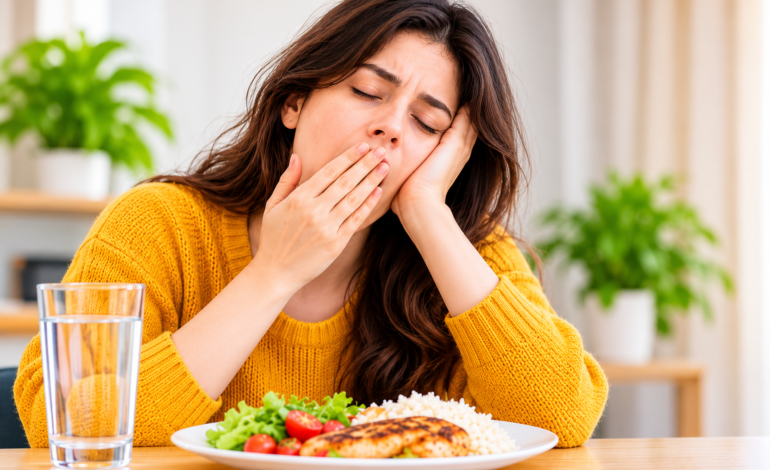

Have you ever finished lunch or dinner and suddenly felt like taking a nap? Your stomach feels full, your eyes become heavy and even simple tasks seem difficult. You may wonder Why Do You Feel Sleepy After Eating when a meal is supposed to give your body energy?
This experience is common. Doctors call it postprandial somnolence which simply means sleepiness after eating. It can happen after any meal although large meals may make it more noticeable.The good news is that occasional sleepiness after eating is usually harmless. However, if it happens regularly or comes with other symptoms it may be worth looking more closely at your eating habits, sleep quality or health.
Why Do You Feel Tired After Eating?
After eating your digestive system begins breaking food into smaller nutrients. Your body absorbs these nutrients and uses them for energy, growth and other important functions.During this process your gut sends signals to your brain. Blood glucose and amino acid levels also change and these changes can influence the brain systems that control alertness.
Scientists believe that several processes work together to cause sleepiness after meals. There is no single explanation that accounts for every case.According to the Cleveland Clinic, post-meal sleepiness can begin within 30 minutes to four hours after eating. It often becomes strongest around one to two hours after a meal. The effect may be more noticeable after a large high-energy meal. Cleveland Clinic
Your Body Responds to Digesting Food
Digestion is an active process. Your stomach and intestines release digestive substances, move food through the digestive tract and absorb nutrients.Your gut also communicates with your brain through nerves and chemical signals. Some of these signals may affect how awake or relaxed you feel.
However digestion does not simply use so much energy that your brain becomes tired. The old explanation that blood moves away from the brain to the stomach after eating is not considered an accurate explanation for this experience.
Your Blood Sugar Changes After Eating
Food affects blood glucose especially when a meal contains carbohydrates. Your digestive system breaks many carbohydrates into glucose which enters your bloodstream.Your pancreas releases insulin to help your cells take in glucose. This is a normal response that helps your body use energy.A change in blood sugar does not automatically mean something is wrong. However some people experience symptoms when their blood glucose drops too low after a meal.
Mayo Clinic explains that reactive hypoglycemia is low blood sugar that occurs after eating, usually within four hours. It may cause tiredness, shakiness, sweating, dizziness, hunger or confusion. Mayo ClinicIf you regularly experience these symptoms do not assume that ordinary post-meal sleepiness is the cause. A healthcare professional can help determine whether your blood sugar is involved.
Your Brain Has a Natural Afternoon Dip
Your body’s internal clock, also called the circadian rhythm, helps control your sleep and wake cycle.Many people experience a natural drop in alertness during the early afternoon. This can happen even when they have eaten a healthy meal.
When lunch happens during this period the natural afternoon dip and the effects of eating may occur together. As a result you may feel more tired than you would after breakfast or dinner.This is one reason Sleepy after lunch can be a familiar experience even when the meal is not particularly large.
Large Meals Can Make You Feel More Drowsy
The size of your meal can make a difference. A large meal provides more energy and may produce stronger digestive and metabolic responses than a small one.For example eating a large serving of rice, fried food, bread and dessert in one sitting may leave you feeling very full and less alert.
This does not mean that one particular food always causes sleepiness. The total amount of food, its nutritional content, your sleep habits and your body’s natural rhythms can all play a role.If you regularly experience Feeling sleepy after meals notice whether it happens after every meal or mainly after large portions.
Your Meal May Contain Too Many Refined Carbohydrates
Refined carbohydrates include foods such as white bread, sugary cereals, cakes, biscuits and many sweet drinks.
These foods are often digested more quickly than high-fiber alternatives. A meal built mainly around refined carbohydrates may also provide less fiber and protein.
You do not need to remove carbohydrates from your diet. Instead try combining them with vegetables, beans, eggs, fish, chicken, yogurt or other protein sources.
A balanced meal can help you feel satisfied for longer and support steadier energy throughout the day.
Common Signs of Post-Meal Sleepiness
Post-meal drowsiness does not feel exactly the same for everyone. Some people experience mild tiredness, while others find it difficult to concentrate.
Common signs include:
- Heavy or tired eyes.
- Frequent yawning.
- A strong desire to lie down.
- Reduced concentration.
- Feeling physically sluggish.
- Difficulty staying alert during work or study.
- A temporary drop in motivation.
These symptoms may appear after breakfast, lunch or dinner. They usually improve as time passes.
The Cleveland Clinic notes that a food-related period of sleepiness can last up to three or four hours. However the duration varies from person to person. Cleveland Clinic
Is a Food Coma After Eating Normal?
People often use the expression Food coma after eating to describe the heavy sleepy feeling that follows a meal.The medical term is postprandial somnolence. It is usually temporary and does not automatically indicate a disease.
For example you might feel sleepy after a large family dinner or a heavy restaurant meal. If the feeling passes and does not interfere with your daily activities it is generally not a reason to panic.However frequent or extreme sleepiness deserves attention. It is especially important to notice whether you also experience dizziness, sweating, shakiness, faintness or confusion.
Why Do Some People Feel More Sleepy Than Others?
Not everyone becomes sleepy after eating. Some people can enjoy a large lunch and continue working, while others struggle to keep their eyes open.
Several factors may explain this difference.
Poor Sleep at Night
A lack of sleep can make daytime tiredness worse. If you regularly sleep for too few hours, your body may already be struggling to maintain alertness.After a meal even a normal change in alertness may feel much stronger.
Adults generally need at least seven hours of sleep each night although individual needs can vary. Keeping a regular sleep schedule may help reduce daytime tiredness.
Eating More Than Your Body Needs
Large portions can make you feel uncomfortable and overly full. They may also increase the likelihood of post-meal drowsiness.For instance a very large lunch may leave you feeling sluggish for the rest of the afternoon.
If you often feel Feeling tired after a meal review your portion sizes and meal composition. Eating a little less at one sitting may help you feel more comfortable.
Alcohol With Meals
Alcohol can make people feel sleepy because it affects the central nervous system. Drinking alcohol with lunch or dinner may add to the drowsiness that some people already experience after eating.If you notice that you become especially tired after drinking, consider avoiding alcohol and see whether your alertness improves.
Certain Medicines
Some medicines can cause drowsiness as a side effect. These may include certain allergy medicines, sleep medicines, anxiety medicines, antidepressants and some pain medicines.
If your sleepiness started after beginning a new medicine, speak with your healthcare professional. Do not stop a prescribed medicine or change its dose without medical advice.
Health Conditions
Some health conditions can contribute to daytime sleepiness. These include type 2 diabetes, sleep disorders, depression, obesity and metabolic syndrome.Sleep apnea is another possible factor. It can interrupt normal sleep during the night leaving a person tired during the day.
The Cleveland Clinic lists several of these conditions and some medicines as possible risk factors for post-meal sleepiness. This does not mean that everyone who feels tired after eating has an underlying medical problem. Cleveland Clinic
How to Stop Feeling Sleepy After Eating
You cannot always prevent post-meal tiredness but a few practical changes may help. The goal is not to avoid eating or remove entire food groups. It is to build balanced meals and support healthy daily habits.
Eat Smaller, Balanced Meals
Try eating moderate portions instead of having one very large meal. Include a source of protein, fiber-rich carbohydrates and vegetables.For example you could eat grilled chicken with brown rice and vegetables or lentils with whole-grain bread and salad.Smaller balanced meals may help reduce the heavy feeling that sometimes follows a large meal.
Add More Fiber to Your Diet
Fiber is found in foods such as oats, beans, lentils, vegetables, fruits and whole grains.It supports digestion and helps slow the absorption of some carbohydrates. It can also help you feel full for longer.Try adding one or two fiber-rich foods to each main meal rather than relying mostly on refined grains.
Include Protein in Every Main Meal
Protein helps build and repair body tissues. It also makes meals more satisfying.Good sources include eggs, fish, chicken, milk, yogurt, beans, lentils, tofu and nuts.
You do not need expensive foods or protein supplements to build a balanced meal. Everyday foods can provide enough variety for most people.
Take a Short Walk After Eating
A gentle walk after a meal can help you feel more alert. It also adds movement to your daily routine.Start with a comfortable 10- to 15-minute walk. You do not need to run or perform intense exercise immediately after eating.
The Cleveland Clinic suggests a 10- to 30-minute walk as one practical way to manage post-meal drowsiness. Cleveland Clinic
Drink Enough Water
Dehydration can contribute to tiredness and difficulty concentrating. Drinking water regularly throughout the day supports normal body functions.Keep water available during meals and between them. You do not need to drink excessive amounts simply respond to thirst and maintain healthy hydration habits.
Reduce Sugary Drinks and Desserts
Sugary drinks, sweets and desserts can add a large amount of sugar to a meal without providing much fiber or protein.You do not have to avoid every sweet food. However try not to make sugary foods the main part of your meal.Choose water instead of soft drinks more often and enjoy fruit when you want something sweet.
Improve Your Night-Time Sleep
Good sleep habits can make a real difference to daytime energy.
Try to:
- Go to bed and wake up at similar times each day.
- Keep your bedroom quiet, dark, and comfortable.
- Avoid heavy caffeine intake late in the day.
- Reduce screen use before bedtime if it affects your sleep.
- Give yourself enough time to rest.
Key Points to Know:If you sleep for enough hours but still feel exhausted during the day, discuss the problem with a healthcare professional.
Try a Short Nap if Needed
If you have the opportunity a short nap may help you recover from temporary tiredness.A nap of around 20 minutes is often enough to improve alertness without taking too much time from your day.Avoid using long daytime naps as a replacement for regular night-time sleep.
When Is Sleepiness a Health Concern?
Occasional sleepiness after eating is common. However you should not ignore it if it becomes severe, frequent or unusual for you.
Consider speaking with a healthcare professional if:
- You feel extremely sleepy after almost every meal.
- You regularly struggle to stay awake during the day.
- You experience dizziness or fainting after eating.
- You develop sweating, shakiness or confusion a few hours after meals.
- You have unusual thirst, frequent urination or blurred vision.
- You snore loudly or someone notices pauses in your breathing during sleep.
These symptoms can have different causes. A healthcare professional may ask about your diet, sleep routine, medicines and medical history. Depending on your symptoms they may recommend tests such as blood glucose testing.
Mayo Clinic advises medical evaluation when symptoms suggest reactive hypoglycemia, particularly when they are severe or recurring. Mayo ClinicIf you feel drowsy avoid driving or operating machinery until you are fully alert. Sleepiness can slow your reactions and increase the risk of accidents.
What You Should Remember
- Why Do You Feel Sleepy After Eating is usually related to several factors including digestion, changes in blood metabolites and your body’s natural sleep-wake rhythm.
- Large meals may make post-meal drowsiness more noticeable.
- Poor night-time sleep, alcohol, certain medicines and some health conditions can add to daytime tiredness.
- Balanced meals with protein and fiber may help you feel more comfortable after eating.
- A gentle walk and a regular sleep schedule can support better daytime alertness.
- Severe or repeated sleepiness especially with dizziness, sweating, shakiness or confusion, deserves medical attention.
Sum up
Feeling sleepy after eating is common and usually harmless. Large meals, poor sleep and your body’s natural rhythm can make it worse.Eat balanced meals drink enough water and take a short walk after eating.Understanding Why Do You Feel Sleepy After Eating can help you manage it and recognise when medical advice is needed.