


If you’ve noticed your cat sneezing a lot, it’s only natural to feel concerned. An occasional sneeze is normal, but persistent sneezing can signal something more. Understanding the reasons cats sneeze a lot is the first step in helping your feline friend. From simple irritants to more serious health issues like upper respiratory infections, this guide will walk you through what you need to know, when to worry, and how to care for a sneezing cat.

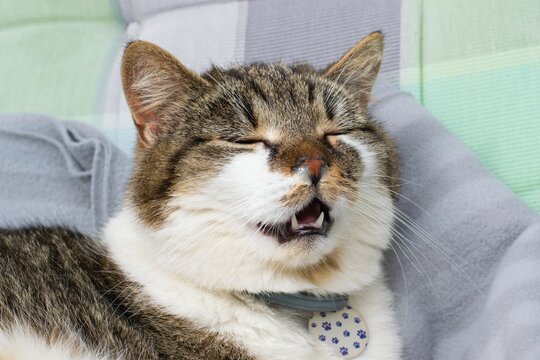
Common Reasons Why Your Cat Is Sneezing
Sometimes, cat sneezing a lot is just a reaction to everyday things. Dust from litter, strong smells like perfume or cleaners, pollen, or even a tiny piece of dirt can irritate their nose. These sneezes are usually sudden and stop quickly. For example, an outdoor cat sneezing a lot might react to grass or outdoor allergens. If your cat is sneezing a lot but seems fine otherwise—playing, eating, and bright-eyed—it’s likely a minor irritation.
More Serious Causes: When Cat Sneezing Is A Warning Sign
If sneezing continues or comes with other symptoms, it’s time to look deeper. The most common medical reason is an upper respiratory infection (URI), often called “cat flu.” Viruses like feline herpesvirus are frequent culprits. This is especially concerning if you have a kitten sneezing a lot, as their young immune systems are vulnerable. Bacterial infections can follow a virus, leading to thick discharge. Another often overlooked cause is dental disease. An abscessed tooth root can break into the nasal sinus, causing chronic sneezing—something to consider with an older cat sneezing a lot. Other serious causes include nasal polyps, foreign objects in the nose (common in curious cats), or even fungal infections.
Symptoms To Watch For With A Sneezing Cat
The type of nasal discharge tells a story. Clear, watery fluid might mean simple allergies or a mild virus. However, cat sneezing green mucus (thick and colored) usually points to a bacterial infection needing a vet’s attention. The most urgent sign is cat sneezing blood, which requires an immediate emergency visit. Also, watch your cat’s overall behavior. Is your cat lethargic? Is there loss of appetite? Are they sneezing and has watery eyes? These combined symptoms suggest the body is fighting something significant, not just a passing irritant.
Special Cases: Kittens, Seniors & Specific Breeds
- “My kitten has been sneezing a lot” – This is a high-priority situation. For a newborn kitten sneezing, it’s critical. Kittens dehydrate and decline quickly. Don’t wait; seek vet advice.
- “My older cat is sneezing a lot” – In seniors, think about chronic issues like dental disease, nasal tumors, or long-term inflammation.
- “Persian cat sneezes a lot” – Flat-faced breeds have narrow nasal passages. They are prone to congestion and sneezing from even minor triggers.
- Outdoor cats face higher risks from allergens, infections, and foreign objects.
Diagnosis & Treatment: What The Vet Will Do
If home care isn’t enough, your vet will perform a vet diagnosis for cat sneezing. This includes a physical exam, discussing symptoms, and possibly tests like viral swabs, blood work, or dental X-rays. For stubborn cases, imaging (like a CT scan) may be needed to check for polyps or hidden problems.
Treatment targets the root cause:
- Bacterial infections may require antibiotics for cat sneezing.
- Viral infections (like feline herpesvirus) need supportive care: keeping your cat hydrated, comfortable, and nourished.
- Dental disease often requires a cleaning or tooth extraction.
- Severe cases like nasal polyps may need surgery.
Home Care & Remedies For Your Sneezing Cat
While waiting for the vet or aiding recovery, you can provide comfort. Steam therapy for cats is excellent: run a hot shower and sit with your cat in the steamy bathroom for 5-10 minutes to loosen congestion. Gently clean their nose and eyes with a warm, damp cloth. Encourage eating by offering strong-smelling, warmed wet food. Ensure they drink plenty of water. These home remedies for sneezing cat can offer relief but are not a substitute for professional care.
FAQ: Your Pressing Questions Answered
- “My kitten sneezes a lot should I be concerned?” Yes. Kittens are fragile. Any persistent sneezing, especially with lethargy or eye discharge, warrants a vet visit.
- What are the main reasons why cats sneeze a lot? Irritants, viral/bacterial upper respiratory infections, dental disease, allergies, polyps, or foreign objects.
- How can I prevent it? Keep vaccinations current, maintain dental health, use low-dust litter, and reduce exposure to sick cats.
- When is it an emergency? If you see blood, your cat struggles to breathe, stops eating/drinking, or becomes extremely lethargic, go to the vet immediately.
Important Thing Cat Sneezing A Lot
Noticing your cat sneezing a lot means you’re a caring owner. While some causes are simple, persistent sneezing with other symptoms should never be ignored. Whether it’s a kitten, an older cat, or a Persian, timely vet advice is key. By understanding the reasons cats sneeze a lot and knowing the warning signs, you can ensure your cat gets the right care and returns to their happy, healthy, and sneeze-free self.