


Replacing missing teeth with implants has become one of the most advanced solutions in modern dentistry. Many people search online to understand how much dental implants cost, especially before making such an important financial and health decision. The price often surprises patients, but when you break down the procedure, materials, expertise, and long-term benefits, the investment starts to make sense.
This article explains the real cost structure, the reasons behind high pricing, and what you should expect before starting treatment.
1:An Overview of Common Cost Range
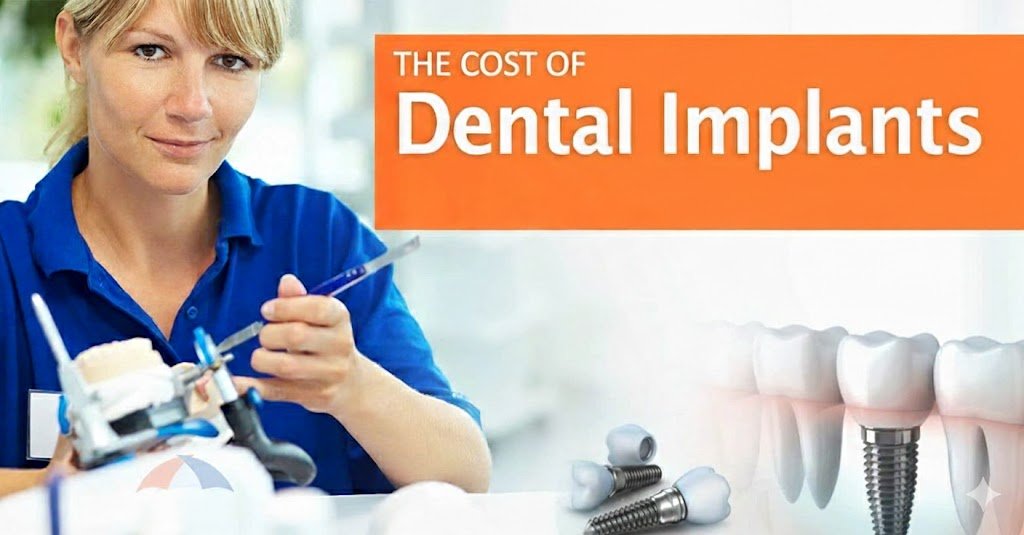
In the United States, the cost for a single implant can range between $3,000 and $6,000 per tooth. This estimate usually includes:
- Surgical placement of the titanium post
- Abutment (connector piece)
- Crown (artificial tooth on top)
If you need multiple replacements or a full mouth restoration, the total expense can reach $20,000 to $50,000 or more, depending on the complexity of your case.
However the final bill varies because every patient’s mouth condition differs. Bone density, gum health and the number of missing teeth all influence the total cost.
2:What Exactly Are You Paying For?
Many people think they are only paying for a single artificial tooth. In reality the process involves multiple stages and highly specialized skills.
1. Advanced Materials
Most implants are made from medical-grade titanium, a biocompatible metal that fuses naturally with the jawbone. This fusion process, called osseointegration, creates a stable and long-lasting foundation.
High-quality ceramic or porcelain crowns also add to the cost because labs custom-design them to match the shape, shade, and alignment of your natural teeth.
2. Surgical Expertise
An implant procedure requires precision. Oral surgeons or periodontists undergo years of additional training beyond dental school. Their experience ensures correct placement, which prevents complications and guarantees durability.
You are not only paying for a product. You are paying for professional expertise and clinical accuracy.
3. Diagnostic Technology
Clinics use advanced imaging systems such as:
- 3D Cone Beam CT scans
- Digital impressions
- Computer-guided surgical planning
These technologies improve safety and accuracy but increase operational expenses for clinics.
3:Why Implant Treatment Requires a Bigger Investment
People often compare implants with bridges or removable dentures. While those alternatives cost less initially, they do not provide the same long-term benefits.
Longevity
Implants can last 20 years or more, sometimes even a lifetime with proper care. Dentures and bridges often require replacement every 5–10 years.
Bone Preservation
When you lose a tooth, the jawbone begins to shrink. Implants stimulate bone just like natural roots, preventing facial structure changes. Other solutions do not stop bone loss.
Stability and Comfort
Because implants anchor directly into bone, they do not slip or move. You can eat, speak, and smile confidently without adhesive products.
These long-term advantages explain why patients researching how much dental implants cost eventually realize the value behind the investment.
4:Factors That Increase the Total Cost
Not everyone pays the same amount. Several clinical and personal factors affect pricing.
Bone Grafting
If your jawbone lacks density, the surgeon may perform a bone graft before placing the implant. This procedure can add $300 to $3,000 to your treatment plan.
Sinus Lift
For upper back teeth, doctors sometimes need to lift the sinus membrane to create enough bone space. This additional surgery increases the final bill.
Location of the Clinic
Treatment in large metropolitan cities usually costs more than in small towns. Overhead expenses, rent, and staffing costs vary by region.
Specialist vs. General Dentist
Specialists often charge higher fees because of advanced training and equipment.
5:How the Implant Process Works
Understanding the full procedure helps justify the price.
Step 1: Consultation and Planning
The dentist examines your oral condition, takes scans, and creates a customized treatment plan.
Step 2: Surgical Placement
The surgeon inserts the titanium post into the jawbone. This minor surgery requires local anesthesia.
Step 3: Healing Period
Osseointegration takes three to six months. During this time, the implant fuses with bone.
Step 4: Abutment and Crown Placement
After healing, the dentist attaches the abutment and custom-made crown.Each stage involves appointments, professional time, materials, and laboratory work, which all contribute to the final expense.
6:Insurance and Financing Options
Most insurance plans consider implants a cosmetic procedure and provide limited coverage. However, some policies cover part of the crown or surgical portion.
Many clinics offer:
- Monthly payment plans
- Third-party financing
- Health savings account (HSA) options
These solutions make treatment more manageable without paying the entire amount upfront.
7:Hidden Costs to Consider
When calculating expenses, patients should ask about:
- Tooth extraction fees
- Temporary crowns
- Sedation charges
- Follow-up visits
- Maintenance appointments
Transparency during consultation prevents unexpected surprises later.
8:Are Cheaper Options Safe?
You may find clinics offering significantly lower prices, especially overseas. While medical tourism can reduce costs, you should consider:
- Quality of materials
- Sterilization standards
- Follow-up care availability
- Surgeon credentials
Saving money upfront may result in complications that cost more in the long run.
9:Why Long Term Value Matters More Than Initial Price
Although the initial payment seems high, implants often prove cost-effective over time.
Let’s compare:
- Dentures require adhesives and periodic replacement.
- Bridges may damage adjacent teeth and need future repair.
- Implants protect bone, preserve facial structure, and require minimal maintenance beyond regular brushing and checkups.
Key points out: when evaluating how much dental implants cost, many patients realize they are paying for durability, comfort, and improved quality of life.
10:How Tooth Replacement Enhances Well Being
Beyond function, implants improve confidence. Missing teeth can affect speech clarity and social interaction. A secure replacement restores natural appearance and self-esteem.
Patients frequently report:
- Improved chewing ability
- Clearer pronunciation
- Better facial symmetry
- Increased confidence in professional settings
These emotional advantages hold significant value that many people overlook when focusing only on price.
11:Reducing Costs While Ensuring Excellent Results
If you want to manage expenses wisely, consider these tips:
- Get multiple consultations.
- Ask about package pricing.
- Check dental schools for reduced-cost services supervised by experts.
- Use tax-advantaged health accounts.
- Maintain good oral hygiene to avoid additional procedures.
Planning carefully can reduce unnecessary expenses while maintaining safety and quality.
12:Full Mouth Implant Solutions
For patients missing most or all teeth, doctors may recommend options such as:
- All-on-4
- Implant-supported dentures
- Full arch restorations
These systems use fewer implants to support multiple teeth, reducing overall costs compared to replacing each tooth individually.
However, these advanced procedures still require surgical skill and premium materials, which explains the high total investment.
13:Risks and Complications
Although success rates exceed 95%, complications can occur, including:
- Infection
- Implant failure
- Nerve damage
- Sinus issues
Choosing a qualified professional significantly lowers these risks and protects your financial investment.
14:Is the Investment Worth It?
The answer depends on your priorities. If you value long-term durability, natural appearance, and improved function, implants often deliver unmatched results.
People who initially hesitate because of price often conclude that the benefits outweigh the expense after completing treatment.
Understanding how much dental implants cost helps you prepare financially and mentally for a life-changing procedure.
Wrap up
Implants represent one of the most reliable and advanced tooth replacement solutions available today. While the initial cost ranges from several thousand dollars per tooth to tens of thousands for full-mouth restoration, the price reflects surgical expertise, advanced materials, technology, and long-term durability. Additional procedures such as bone grafts or sinus lifts can increase the total expense. However, implants offer superior stability, bone preservation, and longevity compared to alternatives like dentures or bridges. When evaluating how much dental implants cost, consider both immediate expenses and long-term value. Many patients find the investment worthwhile because of improved comfort, confidence, and quality of life.
For more details also read this: https://connect.aaid-implant.org/blog/how-much-do-dental-implants-cost
Expert Answers to Popular Questions
1. How long do implants last?
With proper care and regular checkups, implants can last 20 years or more, often a lifetime.
2. Is the procedure painful?
Doctors use local anesthesia during surgery. Most patients report mild discomfort after the procedure, similar to a tooth extraction.
3. Can anyone get implants?
Most healthy adults qualify, but adequate bone density and good oral health are necessary.
4. How long does the full process take?
The entire treatment usually takes three to six months, depending on healing time and additional procedures.
5. Why are implants so expensive?
The cost includes high-quality materials, surgical expertise, advanced imaging technology, laboratory customization, and multiple appointments, which together explain the investment required.