


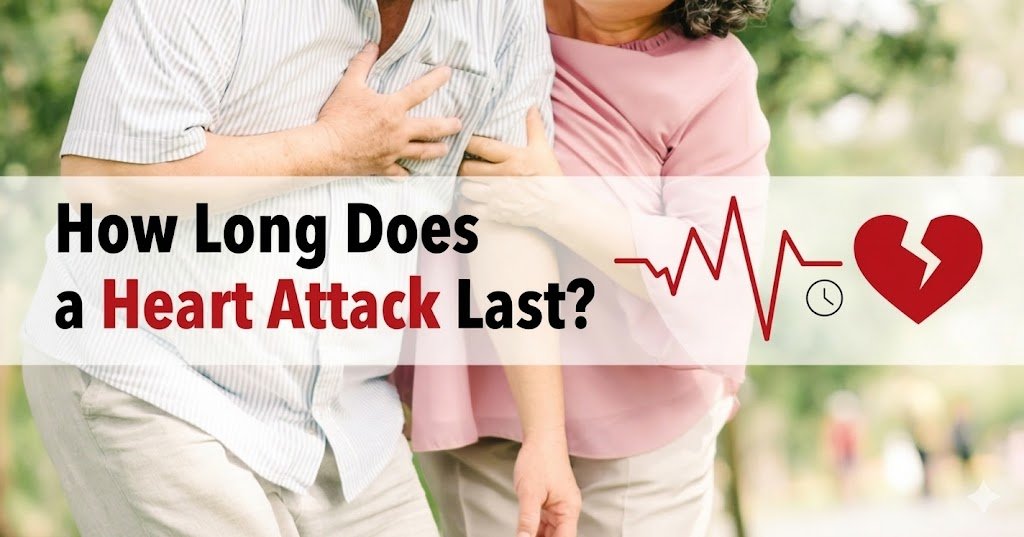
A heart attack, medically known as a myocardial infarction, occurs when blood flow to a part of the heart is blocked. This blockage can damage or destroy heart muscle tissue. Heart attacks are a leading cause of death worldwide, making it crucial to understand their signs, duration, and differences between men and women. This article tells how long a heart attack lasts, how quickly it can become life-threatening and how symptoms may vary by gender.
1:What Happens During a Heart Attack
A heart attack usually starts when plaque, a mixture of fat, cholesterol, and other substances ruptures in a coronary artery. This rupture triggers the formation of a blood clot, which blocks the artery and restricts blood flow to the heart. Without oxygen-rich blood, heart tissue begins to die.
The duration of a heart attack depends on several factors: the size of the blockage, the location of the affected artery, and how quickly medical intervention occurs. In some cases, symptoms may develop suddenly and become severe within minutes. In others, warning signs may appear gradually over hours or even days.
2:Early Symptoms of a Heart Attack
Recognizing a heart attack early is crucial. Common signs include:
- Chest pain or discomfort, often described as pressure or squeezing
- Pain radiating to the arm, shoulder, jaw, or back
- Shortness of breath
- Nausea or vomiting
- Sweating
- Dizziness or lightheadedness
Symptoms can vary between men and women. Women may experience subtler signs, such as unusual fatigue, indigestion, or back pain, which can make early detection more challenging.
3:How Long Does a Heart Attack Last?
The duration of a heart attack can vary widely. Some people experience intense symptoms for a few minutes, while others may have intermittent pain or discomfort lasting several hours. On average:
- Mild heart attacks may last 15–30 minutes.
- Moderate heart attacks often continue for 30–60 minutes.
- Severe heart attacks can persist for hours without treatment.
Key point to know: Immediate medical attention significantly affects outcomes. The longer the heart muscle is deprived of oxygen, the greater the risk of permanent damage or death.
4:How Long Does a Heart Attack Take to Kill You?
The timeline from the onset of a heart attack to death depends on the severity of the blockage and access to emergency care. In a severe heart attack:
- Sudden cardiac arrest can occur within minutes.
- Most fatal heart attacks happen within the first hour, often called the “golden hour,” when rapid treatment is crucial.
- Delays in treatment increase the likelihood of complications such as heart failure, arrhythmias, or cardiac arrest.
Knowing the warning signs and calling emergency services immediately can save lives.
5:How Long Does a Heart Attack Last in Women?
Women often experience different heart attack symptoms compared to men. In addition to chest pain, women may have:
- Unexplained fatigue
- Shortness of breath without chest discomfort
- Nausea or vomiting
- Pain in the neck, jaw, shoulder, or back
Key point to know:The duration in women can also vary. Some may have brief episodes of chest discomfort that last only a few minutes, while others may experience prolonged symptoms for several hours. Because female symptoms can be atypical, women sometimes delay seeking help, which can affect survival rates.
6:How Long Does a Heart Attack Last in Men?
Men generally experience classic heart attack symptoms such as severe chest pain or pressure radiating to the left arm or jaw. Men’s heart attacks often present more abruptly, with intense pain lasting:
- 15–60 minutes for mild to moderate cases
- Several hours in severe cases if untreated
Prompt recognition and treatment are critical, as prolonged oxygen deprivation increases the risk of permanent heart damage.
7:Risk Factors Affecting Heart Attack Duration
Certain factors can influence how long a heart attack lasts and its severity:
- Age: Older individuals may experience slower-onset symptoms.
- Health Conditions: Diabetes, high blood pressure, high cholesterol, and obesity increase risk.
- Lifestyle: Smoking, lack of exercise, and poor diet contribute to cardiovascular problems.
- Previous Heart Problems: People with a history of heart disease may experience longer or more severe attacks.
Understanding these risk factors can help in prevention and timely response.
8:Dangers of a Long Lasting Heart Attack
If a heart attack is prolonged or untreated, serious complications can arise:
- Heart Failure: Damaged heart muscle weakens pumping ability.
- Arrhythmias: Irregular heartbeats can become life-threatening.
- Cardiac Arrest: Sudden loss of heart function may result in death.
- Permanent Heart Damage: Prolonged oxygen deprivation causes irreversible tissue death.
Rapid intervention reduces these risks and improves survival chances.
9:How to Handle Suspected Heart Attack Situations
Immediate action can save lives. Follow these steps:
- Call Emergency Services Immediately: Dial emergency services rather than driving yourself to the hospital.
- Chew Aspirin (if advised): This can help thin the blood and reduce clot formation.
- Stay Calm and Rest: Avoid physical exertion and sit or lie down while waiting for help.
- Follow Medical Instructions: Paramedics may provide oxygen or other emergency care.
Key point to know:Time is critical and getting treatment within the first hour dramatically increases survival chances.
10::Tests and Treatments for Heart Attacks
In the hospital, doctors use several tests to confirm a heart attack:
- Electrocardiogram (ECG): Measures electrical activity of the heart.
- Blood Tests: Detect enzymes released during heart muscle damage.
- Imaging: Echocardiograms or angiograms assess blood flow and heart structure.
Treatment options include:
- Medications: Blood thinners, clot-busting drugs, and pain relievers.
- Angioplasty and Stenting: Opens blocked arteries to restore blood flow.
- Coronary Artery Bypass Surgery: Creates a new pathway for blood around blocked arteries.
The speed of treatment directly affects recovery and survival.
11:Recovery After a Heart Attack
Recovery varies depending on the extent of heart damage. Mild heart attacks may allow a return to normal activities within weeks, while severe attacks may require months of rehabilitation. Cardiac rehab programs focus on:
- Exercise under supervision
- Healthy diet
- Stress management
- Medication adherence
Lifestyle changes are essential to prevent future heart attacks.
12:Prevention Tips
Preventing heart attacks reduces the risk of prolonged or fatal events. Recommendations include:
- Maintain a healthy diet low in saturated fats and cholesterol
- Exercise regularly
- Avoid smoking and excessive alcohol
- Manage blood pressure, cholesterol, and diabetes
- Recognize early warning signs and seek prompt medical attention
Prevention not only reduces the likelihood of a heart attack but also minimizes its severity if it occurs.
Bottom Line
Heart attacks can last from a few minutes to several hours, depending on severity, location, and promptness of medical care. Men often experience sudden, intense symptoms, while women may have subtler signs that last longer or appear intermittently. The first hour, known as the “golden hour, ” is critical because delays can lead to fatal outcomes. Understanding risk factors, recognizing symptoms and seeking immediate medical attention are key to survival and recovery. While medications, surgical interventions and lifestyle changes help manage the effects, prevention remains the most effective strategy. By acting quickly and staying informed, individuals can significantly reduce the risks associated with heart attacks.