


Antepartum haemorrhage is a serious condition that occurs during pregnancy when bleeding happens from the genital tract after 20 to 28 weeks of gestation and before delivery. This condition always raises concern because it can affect both the mother and the baby. Understanding its risks and treatment is very important for timely medical care and better outcomes.
Antepartum Haemorrhage?
Antepartum haemorrhage refers to vaginal bleeding that occurs in the later stage of pregnancy before childbirth. This bleeding can range from mild spotting to severe blood loss. It is not a normal sign in pregnancy and always requires medical evaluation.
Doctors treat this condition as an emergency because it may indicate underlying complications related to the placenta or uterus.
Why Does this Happen?
The most common causes of this condition are related to the placenta:
1. Placenta Previa
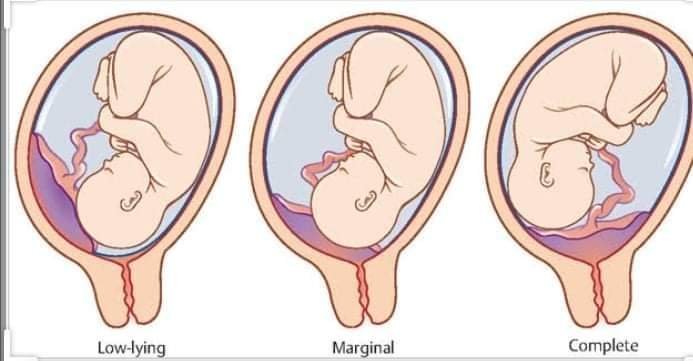
In this condition the placenta lies low in the uterus and partially or completely blocks the cervix. This leads to painless bleeding, usually in the third trimester.
2. Placental Abruption
This happens when the placenta separates from the uterine wall before delivery. It causes painful bleeding, abdominal pain and can quickly become dangerous.
3. Other Causes
- High blood pressure during pregnancy
- Abdominal trauma or injury
- Multiple pregnancy (twins or more)
- Cervical problems or infections
These conditions increase the risk of bleeding and complications.
Is Antepartum Haemorrhage Life-Threatening?
Yes. This condition can become life-threatening if not treated on time. The severity depends on the amount of bleeding and the underlying cause.
Heavy blood loss can lead to maternal shock, low blood pressure and weakness. For the baby reduced oxygen supply can cause fetal distress or even complications during delivery.
However with early diagnosis and proper hospital care, many cases are successfully managed without serious outcomes. The key factor is quick medical response.
Warning Signs to Watch During Pregnancy
Pregnant women should never ignore these symptoms:
- Vaginal bleeding (light or heavy)
- Abdominal pain or cramping
- Back pain
- Dizziness or weakness
- Reduced baby movements
Even small bleeding can be a warning sign and should be checked immediately.
How Doctors Diagnose the Condition
Doctors use several methods to confirm the cause of bleeding:
- Ultrasound scan to check placenta position
- Blood tests to measure hemoglobin levels
- Physical examination
- Continuous fetal monitoring
These tests help doctors decide the safest treatment plan for both mother and baby.
How Is this Treated?
Treatment depends on the severity and cause of bleeding.
1. Mild Cases
If bleeding is small and stable:
- Bed rest is recommended
- Regular hospital checkups
- Monitoring of mother and baby
- Medication if needed
2. Severe Cases
If bleeding is heavy or risky:
- Immediate hospital admission
- Intravenous fluids to stabilize blood pressure
- Blood transfusion if required
- Continuous monitoring
3. Emergency Delivery
In some critical cases, doctors may perform an emergency C-section to save the mother and baby. This is done when the risk becomes too high to continue pregnancy safely.
Risks If Not Treated
If ignored this condition can lead to serious complications such as:
- Severe blood loss
- Maternal shock
- Premature birth
- Fetal distress
- In rare cases, death
This is why immediate medical attention is extremely important.
Who Is at Higher Risk?
Certain women have a higher chance of developing this condition:
- Previous history of pregnancy bleeding
- High blood pressure
- Smoking or poor lifestyle habits
- Multiple pregnancies
- Previous cesarean delivery
- Older maternal age
Regular prenatal care helps reduce these risks.
How to Reduce the Risk
Not all cases can be prevented but risk can be reduced by:
- Regular prenatal checkups
- Maintaining healthy blood pressure
- Avoiding smoking and alcohol
- Eating a balanced diet
- Avoiding physical injury or heavy stress
Early monitoring plays a key role in preventing complications.
Psychological Impact on the Mother
Experiencing pregnancy bleeding can cause fear and stress and anxiety. Many women worry about their baby’s safety. Emotional support from family and doctors is important during this time.
Proper counseling helps reduce stress and improves recovery and treatment response.
Importance of Early Treatment
Quick action is the most important factor in managing this condition. Delayed treatment increases risk for both mother and baby.
Doctors always aim to:
- Stabilize the mother
- Protect the baby
- Decide safe delivery timing
Early hospital visits can significantly improve outcomes.
Deep insight
This condition is a serious pregnancy complication that requires immediate medical attention. While it can become life-threatening in severe cases and modern healthcare has made it possible to manage it effectively with timely diagnosis and treatment.
Understanding symptoms, causes and risks helps pregnant women take early action and avoid complications.
Wrapping up
Antepartum haemorrhage is vaginal bleeding during late pregnancy that can be dangerous if not treated quickly. It is mainly caused by placental problems like placenta previa and placental abruption. The condition can become life-threatening due to heavy blood loss and fetal distress. However, with early diagnosis, hospital care and proper treatment, most cases can be managed safely. Immediate medical attention is essential to protect both mother and baby.
home….