


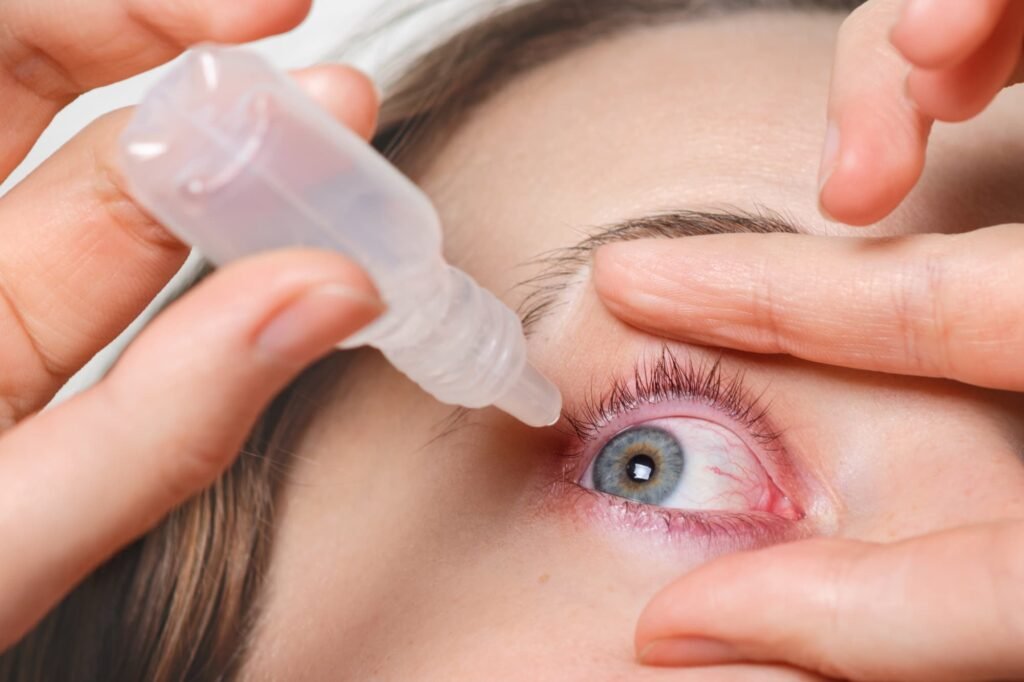
LipiFlow disease has become increasingly common due to digital screen use and environmental exposure or aging and lifestyle habits. For many people artificial tears and basic eye drops only provide temporary relief. When symptoms become chronic and persistent and uncomfortable, doctors often discover that the underlying cause is Meibomian Gland Dysfunction (MGD) , one of the leading contributors to evaporative dry eye.
LipiFlow is a modern clinically tested treatment designed to restore normal function to these glands and improve tear quality. But an important question remains:
How Meibomian Gland Dysfunction Leads to Dry Eye Problems
There are two main types of dry eye:
- Aqueous deficient dry eye when the eyes do not produce enough tears
- Evaporative dry eye when tears evaporate too quickly
Most patients suffer from evaporative dry eye and which occurs when the oil (lipid) layer of the tear film is weak.
This oil is produced by the Meibomian glands and located in the eyelids. When these glands become blocked or inflamed and less oil reaches the tears, causing:
- Burning or stinging sensation
- Blurry or fluctuating vision
- Gritty or sandy feeling in the eyes
- Light sensitivity
- Eye fatigue
- Discomfort during screen use or reading
Things You Need to Know:Traditional lubricating drops only hydrate the surface temporarily. They do not fix the gland blockage.
What Happens During a LipiFlow Procedure?
LipiFlow is a thermal pulsation treatment designed to gently unclog blocked Meibomian glands and restore natural oil flow.
It works using two key actions:
- Controlled heat is applied to the inner eyelids
- Gentle pulsating pressure massages the eyelids
This combination softens and clears hardened oil or debris trapped inside the glands.
The procedure is:
- Non-surgical
- Non-invasive
- Performed in-clinic
- Completed in about 12–15 minutes
Most patients describe the experience as warm, mild pressure, or similar to an eyelid massage.
Once the glands are cleared, they can produce healthier oils again helping stabilize the tear film and reduce dryness.
Does LipiFlow Work for Dry Eyes? Research Based Review
Clinical studies and patient follow-ups show strong evidence supporting LipiFlow’s effectiveness for Meibomian Gland Dysfunction.
Research findings indicate:
Improvement in tear stability
Reduced evaporation rate
Decrease in burning, irritation, and grittiness
Meibomian gland function improvement lasting months
Many studies report noticeable improvement starting within:
- 2–4 weeks for most patients
- Continued progress over 3–6 months
Some patients experience relief even sooner.
However, results may vary depending on:
- Severity of gland damage
- Length of time glands were blocked
- Overall eye health and lifestyle
LipiFlow works best when MGD is the primary cause of dryness.
Who Is the Best Candidate for LipiFlow?
LipiFlow is most effective for people diagnosed with:
- Evaporative dry eye
- Meibomian Gland Dysfunction
- Thick or clogged gland secretions
- Dryness worsened by screen use
People often benefit when symptoms include:
- Burning or irritation
- Sticky or heavy eyelids
- Watery eyes due to tear imbalance
- Fluctuating blurry vision
- Eye fatigue during reading or computer work
Patients who may NOT benefit as much include those with:
- Sjögren’s syndrome
- Severe aqueous deficiency
- Permanently atrophied glands
Things You Need to Know:A professional eye exam and gland imaging (meibography) usually help determine suitability.
How Long Do LipiFlow Results Last?
For many patients, improvement lasts between:
➡ 6 to 12 months
Some may need repeat sessions depending on:
- Eye condition
- Lifestyle habits
- Screen exposure
- Environmental factors
Doctors often recommend:
- Warm compress maintenance
- Omega-3 supplements
- Proper blinking habits
- Follow-up evaluations
LipiFlow is not a one time permanent cure but it helps restore natural gland function and slows progression of MGD.
Benefits You Can Expect from LipiFlow Dry Eye Treatment
Patients commonly report:
Reduced eye irritation
Less burning or stinging
Improved comfort during screen use
Better tear stability
Lower dependency on artificial tears
Some individuals also notice:
- Sharper visual clarity
- Less eyelid heaviness
- Reduced redness and fatigue
The treatment focuses on addressing the root cause, rather than masking symptoms.
Are There Any Risks or Side Effects?
LipiFlow is generally safe and well-tolerated.
Mild temporary effects may include:
- Slight eyelid tenderness
- Light pressure sensation
- Temporary blurred vision
- Mild redness
Severe side effects are rare and usually temporary when they occur.
Patients should always undergo evaluation before the procedure to ensure they are suitable candidates.
Is LipiFlow the Right Choice for Your Dry Eye Condition?
LipiFlow can be highly beneficial for people whose dry eye condition stems from blocked Meibomian glands.
It works best when:
- Diagnosed early
- Glands are still functional
- Combined with ongoing eye care habits
However, expectations should remain realistic:
- It may not eliminate dryness completely
- Results vary depending on gland health
- Maintenance is often required
For many individuals, LipiFlow becomes a long term management solution and not just a quick fix.
Key Summary
LipiFlow has proven to be an effective treatment for many patients suffering from Meibomian Gland Dysfunction and evaporative dry eye. By clearing blocked glands and restoring oil flow, it helps stabilize the tear film and reduce dryness, irritation, and visual fatigue.While it may not be a universal cure, LipiFlow offers significant relief for carefully selected patients, especially those whose symptoms are caused by gland obstruction rather than tear deficiency alone.
FAQs: Does LipiFlow Really Work for Dry Eyes?
1. How soon do results appear after LipiFlow?
Many patients notice improvement within 2–4 weeks with continued progress over several months.
2. How long does LipiFlow relief last?
Results typically last between 12 months depending on lifestyle and severity of MGD.
3. Is LipiFlow painful?
Most people describe it as gentle warmth and light eyelid pressure.
4. Does LipiFlow replace eye drops?
It reduces dependency for many patients but may not eliminate drops completely.5. Is LipiFlow suitable for all dry eye patients?
It works best for evaporative dry eye caused by Meibomian Gland Dysfunction. A professional evaluation is necessary.