


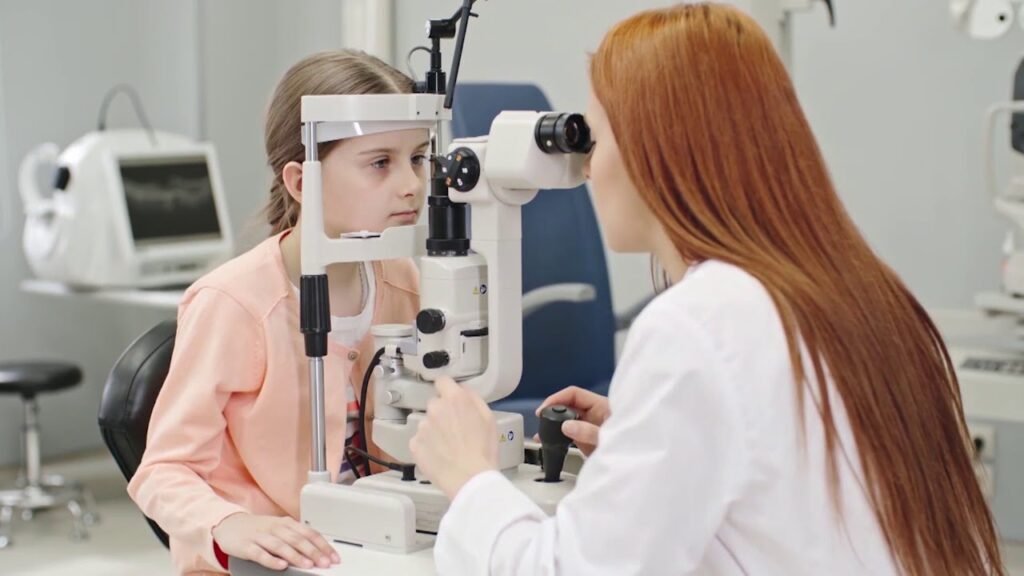
Pediatric Optometrist is essential for a child’s development, learning, and overall quality of life. While parents often focus on general health checkups, vision care is sometimes overlooked. Pediatric optometrists specialize in children’s eye health and can detect, prevent, and manage a wide range of vision problems. This article explores why every child should see a pediatric optometrist, the benefits of early eye care, common vision issues in children, and tips for choosing the right specialist.
1:Pediatric Optometry: Caring for Children’s Eyes
pediatric optometrist vancouver is a branch of optometry that focuses on the visual development and eye health of children and from infancy through adolescence. Unlike regular optometrists, pediatric specialists are trained to handle the unique needs of growing eyes. They understand how vision affects learning, behavior and overall development and they are skilled at diagnosing eye conditions that are often subtle but can have a long-term impact.
Children’s eyes are still developing, and even minor vision problems can affect reading and school performance and physical activities. Regular visits to a pediatric optometrist help ensure that a child’s eyes develop properly and that any issues are identified and treated early.
2:Typical Vision Problems Every Parent Should Know
Many parents assume that children will naturally “grow out” of vision problems but this is often not the case. Some common issues pediatric optometrists monitor include:
- Refractive Errors: Conditions like nearsightedness (myopia) and farsightedness (hyperopia), and astigmatism can affect a child’s ability to see clearly. Early detection ensures proper corrective measures such as glasses or contact lenses.
- Amblyopia (Lazy Eye): This condition occurs when one eye does not develop normal vision. Without treatment it can lead to permanent vision loss in the weaker eye.
- Strabismus (Crossed Eyes): Misalignment of the eyes can impact depth perception and coordination. Pediatric optometrists can prescribe exercises or recommend treatments to correct this condition.
- Eye Coordination Problems: Poor eye coordination can affect reading skills and hand-eye coordination and sports performance.
- Eye Health Conditions: Pediatric optometrists check for signs of infections and inflammation or other eye diseases that may be more common in children.
3:Why Parents Should Prioritize Early Eye Care
Early detection and intervention are critical for maintaining healthy vision. Pediatric optometrists emphasize the following reasons for early eye exams:
- Visual Development: A child’s eyes continue to develop until around age 8. Early detection of issues ensures that the visual system develops properly.
- Learning and Academic Success: Studies show that up to 80% of what children learn in school is visually based. Undiagnosed vision problems can lead to poor academic performance and frustration or behavioral issues.
- Prevention of Permanent Vision Problems: Conditions like amblyopia or strabismus can become irreversible if not treated early.
- Enhancing Daily Life: Healthy vision improves confidence and physical coordination and overall quality of life.
4:Signs Your Child Might Have Eye Issues
Parents should watch for signs that may indicate vision problems:
- Squinting and blinking or rubbing eyes frequently
- Tilting or turning the head while reading or focusing
- Complaints of headaches or eye strain
- Difficulty reading and copying from the board or concentrating on tasks
- Poor hand eye coordination or clumsiness
Things You Need to Know:Even if a child does not display symptoms and regular eye exams are recommended because some conditions are not easily noticeable.
Key Benefits of Scheduling Regular Pediatric Eye Exams
- Accurate Diagnosis: Pediatric optometrists have specialized training to detect subtle vision problems that standard eye exams may miss.
- Customized Treatment Plans: Children’s needs vary; treatment can include prescription glasses, vision therapy, eye patches, or lifestyle recommendations.
- Monitoring Development: Regular visits allow tracking of vision changes as the child grows, preventing complications.
- Parental Education: Optometrists provide guidance on proper eye care, screen time management, and nutrition that supports eye health.
What to Look for in a Pediatric Eye Care Specialist
Selecting a qualified pediatric optometrist is essential for effective care. Consider the following:
- Credentials and Training: Ensure the optometrist has pediatric specialization and experience with children.
- Child-Friendly Environment: Clinics designed for children make the experience less intimidating.
- Comprehensive Services: Look for clinics offering vision exams, treatment for eye conditions, and vision therapy if needed.
- Parent Reviews and Recommendations: Seek feedback from other parents regarding their experiences with the optometrist.
- Communication Skills: A good pediatric optometrist should explain conditions and treatments in a way parents and children can understand.
Parent Tips for Healthy Vision in Children
- Regular Eye Exams: Schedule an eye exam at least once a year, or more frequently if recommended.
- Healthy Lifestyle: Encourage outdoor play, balanced nutrition, and limited screen time.
- Protective Eyewear: Sunglasses with UV protection and safety glasses for sports prevent injuries.
- Encourage Open Communication: Teach your child to report discomfort, blurred vision, or headaches promptly.
- Monitor Vision Changes: Keep track of any behavioral signs that may indicate vision problems.
Key Summary
Regular visits to a pediatric optometrist are essential for maintaining a child’s eye health and preventing vision problems and supporting overall development. Early detection of refractive errors and amblyopia and strabismus, or other conditions ensures effective treatment and reduces the risk of permanent issues. Pediatric optometrists provide customized care, track visual development, and educate parents about proper eye health. Every child deserves healthy vision, making pediatric eye care a vital part of their overall well-being.
Frequently Asked Questions About Pediatric Eye Care
1. At what age should a child first visit a pediatric optometrist?
Experts recommend an initial eye exam at 6 months, followed by another at 3 years, and then annually or as advised.
2. How often should children have eye exams?
Typically, children should see a pediatric optometrist once a year. More frequent visits may be needed for children with diagnosed vision issues.
3. Can pediatric optometrists treat eye diseases in children?
Yes, they can detect, manage, and treat a wide range of conditions, including refractive errors, amblyopia, strabismus, and eye infections.
4. How can I tell if my child has a vision problem?
Look for squinting, rubbing eyes, headaches, difficulty reading, tilting the head, or poor hand-eye coordination. Regular exams help detect problems early.
5. Are pediatric eye exams covered by insurance?
Coverage varies by plan, but many health insurance policies cover pediatric eye exams. It’s best to check with your provider.