


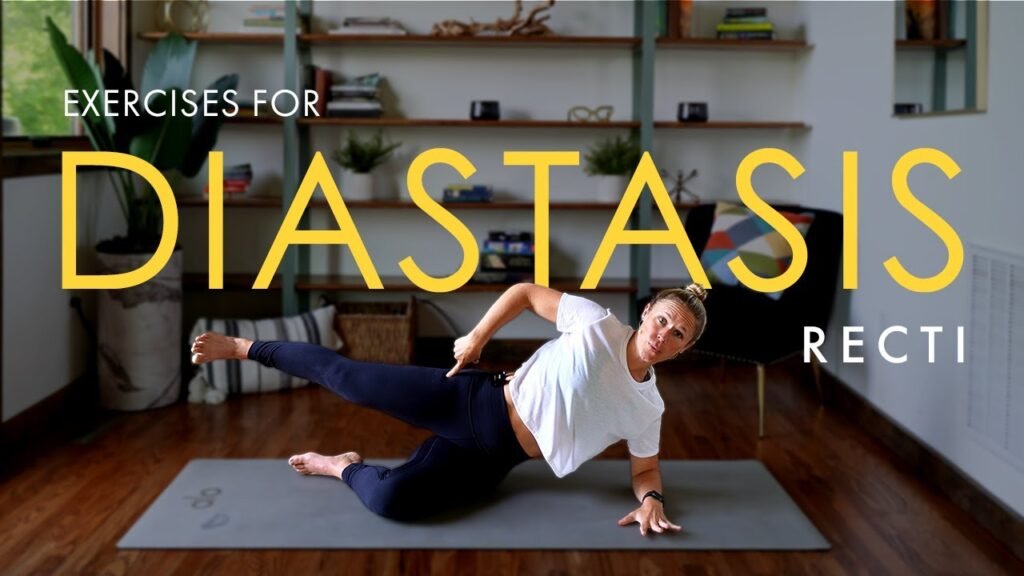
diastasis recti exercises is a condition where the connective tissue between the abdominal muscles stretches, creating a gap or bulge along the midline of the belly. This is common after pregnancy but can also affect men or people with weakened abdominal muscles. While it may improve naturally over time targeted exercises can help close the gap or restore strength and improve posture, and support the pelvic floor.
In this guide we will cover the best exercises and safety tips and practical advice to help you recover safely at home.
Diastasis Recti Explained: How It Affects Your Core and Recovery
Diastasis recti occurs when the linea alba the tissue connecting your rectus abdominis muscles stretches too far. During pregnancy and hormonal changes and the growing uterus contribute to this condition.
Key facts:
- Up to 60% of postpartum women experience diastasis recti.
- Symptoms include abdominal bulging and low back discomfort and weakened core muscles.
- While surgery is rarely necessary and specific exercises can help restore abdominal integrity.
Signs You Might Have Diastasis Recti
- Visible ridge along the middle of the abdomen especially near the belly button.
- Bulging or “doming” of the stomach during movement.
- Weak core muscles and difficulty with everyday tasks.
- Lower back pain or posture challenges.
- Occasional urinary incontinence.
How Diastasis Recti Impacts Your Body
Diastasis recti affects more than appearance it can alter function:
1. Posture
A weak core can lead to rounded shoulders or swayback and neck strain.
2. Pelvic Floor
The deep abdominal muscles support the pelvic floor. Weakness may contribute to urinary leakage or pelvic discomfort.
3. Back Pain
Without core stability and back muscles overcompensate or lead to pain or stiffness.
4. Abdominal Bulging
A noticeable gap or ridge may appear along the midline of the abdomen, often visible when standing, lifting, or sitting up.
Principles for Safe Diastasis Recti Exercises
The goal is to strengthen the deep core muscles without straining the linea alba. Focus on:
- Engaging the transverse abdominis (deep core muscle).
- Supporting the pelvic floor.
- Maintaining a neutral spine.
- Avoiding exercises that worsen abdominal bulging.
Consistency is key: aim for 3–4 sessions per week for best results.
Best Diastasis Recti Exercises
1. Abdominal Bracing
Activates deep core muscles gently.
Steps:
- Lie on your back or knees bent and feet flat.
- Place your hands on your lower belly.
- Exhale, drawing your belly button toward the spine.
- Hold 10 seconds, release. Repeat 10 times.
Modification: Perform sitting or standing if lying down is uncomfortable.
2. Diaphragmatic Breathing
Strengthens core and encourages relaxation.
Steps:
- Lie down or sit comfortably.
- One hand on my chest, one on my belly.
- Inhale for 4 seconds, letting the belly rise.
- Exhale for 4–8 seconds and engage abdominal muscles.
- Repeat 10 cycles.
3. Bent Knee Fall Out
Strengthens abs and pelvic floor.
Steps:
- Lie on your back, knees bent.
- Engage core, slowly lower one knee outward.
- Return to center, switch legs.
- 10 reps per side.
Tip: Place a pillow between knees to reduce strain.
4. Pelvic Tilts
Enhances core strength and posture.
Steps:
- Lie on your back,
- knees bent.
- Exhale, tilt pelvis upward, pressing lower back into the floor.
- Hold 5–10 seconds, relax.
- Repeat 10–20 times.
5. Glute Bridge
Strengthens glutes and stabilizes core.
Steps:
- Lie on your back, knees bent, feet flat.
- Exhale, lift hips while engaging core.
- Hold 5–10 seconds, slowly lower.
- 15 reps, 2–3 sets.
Modification: Move feet closer to hips if you feel tension in hamstrings.
6. Side Plank on Knees
Targets oblique safely.
Steps:
- Lie on your side, knees bent.
- Forearm under shoulder, lift hips toward ceiling.
- Hold 15–20 seconds, lower, repeat the other side.
7. Heel Drops
Re-engages abdominal and pelvic floor muscles.
Steps:
- Lie on your back, knees at 90 degrees.
- Exhale, lower one heel slowly to the floor.
- Inhale, return.
- 5–8 reps per leg.
8. Kneel and Squeeze
Engages the deep core from an upright position.
Steps:
- Kneel on a mat, hold a small ball between palms.
- Exhale, squeeze the ball and engage the pelvic floor.
- Inhale, relax.
- Repeat 8–12 times.
9. Lamp Post Pee (Mini)
Improves balance and core control.
Steps:
- On all fours and spine neutral.
- Exhale, lift one knee slightly.
- Inhale and lower.
- Alternate sides and 10–12 reps.
Full Version: Lift higher and extend the opposite arm for more challenge.
Advanced Exercises (Once Comfortable)
- Heel Taps: Strengthens lower abs and hip flexors.
- Lying Bent Knee Pulls: Pull knees toward chest while keeping core tight.
- Elevated Kick Outs: Lift legs straight, spread apart, and return.
- Quadruped Paper Slides: On all fours, extend opposite arm and leg, then return.
Exercises to Avoid
Avoid movements that strain the linea alba or increase abdominal pressure:
- Sit-ups or crunches
- Double leg lifts
- Bicycle crunches
- High planks or push-ups (early recovery)
- Boat pose and downward dog in yoga
Benefits of Diastasis Recti Exercises
- Restores mobility for daily activities.
- Supports posture and spine alignment.
- Improves pelvic floor function.
- Reduces back pain.
- Helps minimize abdominal bulging.
Practical Tips for Practicing Diastasis Recti Exercises Daily
- Use abdominal bracing during lifting or chores.
- Combine diaphragmatic breathing with light walking or stretching.
- Gradually increase exercise difficulty over time.
- Incorporate small props like pillows or balls for resistance.
How to Exercise Safely with Diastasis Recti
- Wait 6–8 weeks postpartum before starting exercises.
- Stop if you feel pain or notice doming.
- Modify exercises as needed.
- Seek guidance from a physical therapist for personalized support.
Can Diastasis Recti Be Healed Without Surgery?
Yes. Strengthening deep core muscles can close the gap over time. Surgery is rarely needed unless there’s a hernia or cosmetic choice. Consistency with exercises and proper technique are crucial for success.
Final Thoughts
Diastasis recti affects both appearance and function but with targeted and gentle exercises you can:
- Rebuild a strong core
- Improve posture
- Reduce back pain
- Support pelvic floor health
You Should Know:Start with foundational exercises and progress gradually and integrate them into your daily routine. With patience and consistency you can restore core strength and feel confident in your body again.