


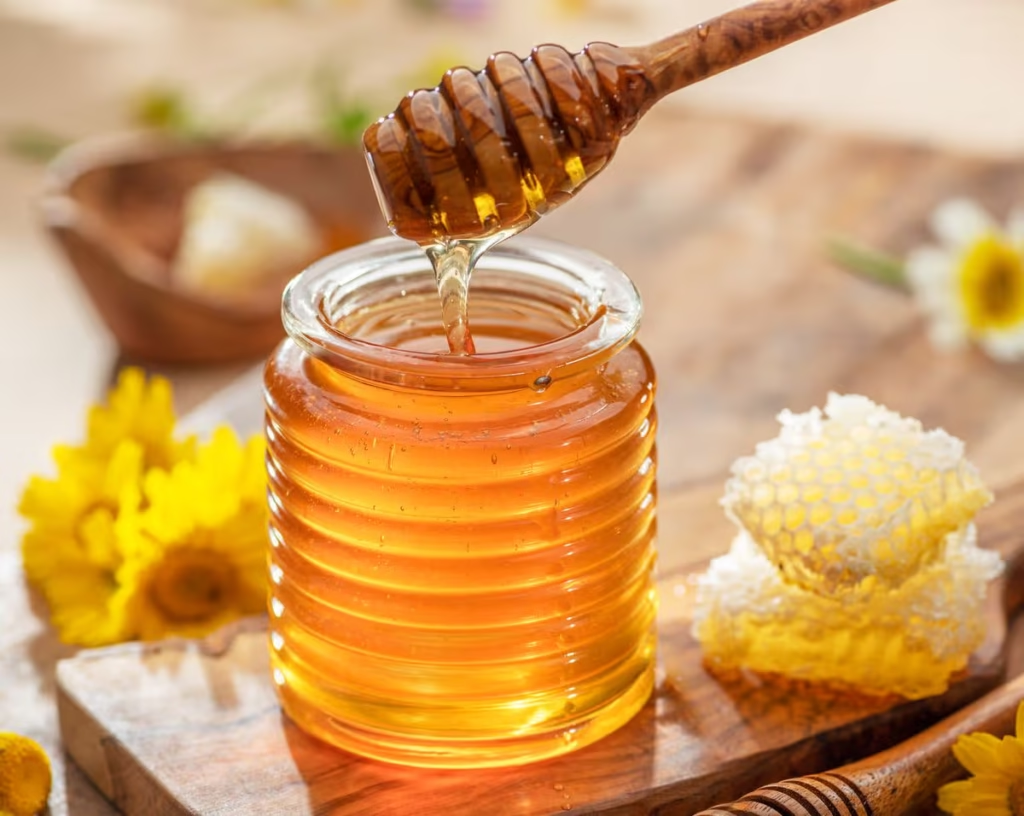
Seasonal allergies can make daily life difficult. Sneezing, itchy eyes, a blocked nose and a runny nose are common problems during high-pollen seasons. Many people look for natural options that may help them manage these symptoms.
Local honey is often discussed as a possible home remedy for seasonal allergies. The idea is that honey may contain small amounts of pollen from nearby plants. However scientific evidence does not clearly prove that eating honey can prevent or treat pollen allergies.
What Causes Allergy Symptoms?
Allergy symptoms happen when the immune system reacts to substances such as pollen. During seasonal changes, trees, grasses and weeds can release pollen into the air.
When a sensitive person breathes in this pollen the body may release histamine and other chemicals. This can cause inflammation and lead to sneezing, congestion, itching and watery eyes.
Common Seasonal Allergy Symptoms
Seasonal allergies can affect the nose, eyes and throat. Symptoms may become stronger when pollen levels are high.
Common signs include frequent sneezing, runny nose, nasal congestion or itchy eyes and throat irritation. Some people may also experience coughing, headaches or tiredness.
Can Honey Provide Allergy Relief?
The connection between honey and allergies comes from the presence of pollen. Bees collect nectar from flowers and some pollen can become part of the honey during production.
Because of this some people believe that consuming honey may expose the body to small amounts of local pollen. This theory sounds similar to controlled allergen exposure but does not work in the same way.
Can Local Honey Reduce Allergy Symptoms?
Research has not provided strong evidence that local honey can reliably reduce seasonal allergy symptoms. Some studies have found no meaningful difference between people consuming honey and those receiving a placebo.
Another small study reported some improvement when honey was used alongside standard allergy medicine. However the evidence is limited and does not prove that honey works for everyone.
Can It Help With Sneezing?
Sneezing is one of the most common reactions to airborne allergens. It happens when pollen irritates the nasal passages and triggers an immune response.
There is no established evidence that honey can directly stop allergy-related sneezing. People who experience frequent sneezing should focus on reducing exposure to known triggers and using appropriate allergy treatment.
Can It Help With a Runny Nose?
A runny nose occurs when the nasal passages produce excess mucus after exposure to an allergen. It can continue for hours or even days during allergy season.
Eating honey has not been proven to reduce this nasal response. If a runny nose is persistent, proper allergy management may provide more reliable relief.
Can It Help With Nasal Congestion?
Nasal congestion happens when inflammation causes the tissues inside the nose to swell. This can make breathing through the nose uncomfortable.
Honey does not have established evidence for reducing this type of inflammation. Keeping pollen exposure low and following suitable treatment can be more effective for managing congestion.
Can It Soothe an Irritated Throat?
Some people experience throat irritation because of postnasal drip during allergy season. Mucus can move from the nose toward the throat and cause discomfort.
Honey may provide a soothing effect when the throat feels irritated. However, this does not mean it treats the allergic reaction causing the problem.
Can It Help With Itchy and Watery Eyes?
Itchy and watery eyes are common when airborne pollen comes into contact with the eyes. These symptoms can become worse after spending time outdoors.
There is no strong evidence that eating honey directly reduces allergy-related eye symptoms. Avoiding pollen exposure and using suitable eye treatments may provide better symptom control.
Local Honey Benefits
The local honey benefits are mainly related to its nutritional and culinary qualities. Honey contains natural sugars and small amounts of plant compounds that vary according to its floral source.
It can be used as a sweetener in tea, yogurt, oatmeal and other foods. These qualities make honey useful as a food, but they should not be confused with proven allergy treatment.
Honey as a Natural Allergy Remedy
Allergy treatments are designed to control the immune response or reduce exposure to allergens. Honey does not provide the same controlled process used in medical allergy treatments.
The amount and type of pollen found in honey can also vary. It may not contain the specific pollen responsible for an individual’s symptoms.
Local Honey for Seasonal Allergies
Some people choose local honey for allergies because they believe it contains pollen from plants growing in their area. However the pollen in honey may not match the pollen causing their allergic reaction.
For example someone may be allergic to grass pollen while the honey they consume mainly comes from flowering plants. This makes it difficult to predict whether the honey would have any effect on their symptoms.
What Does Research Say?
Clinical research on honey and seasonal allergies remains limited. Some studies have reported possible improvements, while others have found no significant benefit compared with placebo.
The differences between studies may relate to the type of honey, amount used, allergy triggers and study design. More research is needed before honey can be considered a reliable allergy treatment.
Local Honey For Allergies Dosage
There is no medically established local honey for allergies dosage because honey has not been proven to treat seasonal allergies.
Research studies have tested different amounts but those doses were part of specific research settings. They should not be treated as a general recommendation for allergy relief.
Using Honey in Your Daily Diet
Honey can be included in a balanced diet in moderate amounts. It contains natural sugars so eating large amounts can add significant calories and sugar to the diet.
People who need to control their sugar intake should consider honey as part of their overall diet. It should be used as a food rather than as an allergy medicine.
Choosing Local Natural Honey
When buying local natural honey check the product label and source. A trustworthy seller should provide information about where the honey was produced and how it was handled.
The term natural does not automatically mean that honey can treat allergies. Quality, ingredients and reliable sourcing are more important when choosing a product.
Fresh Local Honey and Pollen
Some people prefer fresh local honey because they believe it contains more natural pollen. Freshness can affect the taste, texture and appearance of honey.
However fresh honey is not proven to provide stronger allergy relief. The amount and type of pollen can vary depending on the flowers visited by bees.
How Honey Harvesting Works
Honey harvesting usually begins when beekeepers collect honey-filled frames from the hive. The wax covering the honey cells is removed before the honey is extracted.
The extracted honey may then be filtered to remove wax particles and other debris. Processing and storage can affect the final texture, flavor and appearance.
Local Honey Products
Different local honey products may come from different floral sources and production methods. Some may be filtered while others may retain more natural particles.
When buying honey check the ingredient list and producer information. Choosing a simple honey product can help you know exactly what you are consuming.
Ways to Reduce Allergy Symptoms
Reducing contact with allergens can help control seasonal symptoms. Check pollen levels before spending long periods outdoors during high-pollen days.
Keeping windows closed, showering after outdoor activities and changing clothes can also reduce pollen exposure. Regular cleaning may help reduce allergens inside the home.
Reducing Allergy Symptoms Outdoors
Outdoor activities can increase exposure to pollen. Wearing sunglasses can help protect the eyes while avoiding areas with high pollen levels may reduce symptoms.
It can also help to avoid outdoor activities during times when pollen counts are highest. Simple changes can make seasonal allergy symptoms easier to manage.
Medical Attention for Persistent Allergy Symptoms
You should speak with a healthcare professional if allergy symptoms are frequent, severe or affecting your daily activities. Persistent symptoms may require a more specific treatment plan.
Medical advice is especially important if you experience breathing difficulties, wheezing or severe reactions. A professional can also help identify the exact cause of your symptoms.
Honey vs. Proven Allergy Treatments
Honey can be enjoyed as a natural sweetener but it should not replace proven allergy treatments. Medicines and other treatments can target symptoms more directly.
Depending on the condition a healthcare professional may recommend antihistamines, nasal sprays or other options. Treatment should be selected according to the person’s symptoms and medical needs.
Honey and Children’s Diet
Honey should not be given to children under one year of age. It can contain spores that may cause infant botulism, a serious illness.
For older children, parents should still consider honey as a source of sugar rather than a treatment for allergies. Any recurring allergy symptoms should be discussed with a pediatric healthcare professional.
Sum up
Local honey may soothe an irritated throat but there is not enough evidence to confirm that it can reliably reduce seasonal allergy symptoms such as sneezing, congestion, runny nose or itchy eyes. The pollen in honey may not match the allergens causing your symptoms.
For better relief, reduce pollen exposure and use proven allergy treatments when needed. If symptoms persist or become severe and consult a healthcare professional.
home….