


A warm bowl of soup can make any meal more comforting. You can keep it light in summer or make it hearty for colder days. You can also adjust the ingredients to suit your taste and dietary needs.
Soups & broths can include vegetables, beans, chicken, fish, grains, herbs and spices. Add protein or whole grains to make the meal more filling. Soup also offers an easy way to add more vegetables to your daily diet.
What Makes a Good Soup or Broth?
A good soup starts with a flavorful base. Broth stock or vegetable stock can provide that base. Fresh vegetables, herbs, spices and protein can then build the flavor.The texture also matters. Some soups are smooth and creamy. Others contain whole pieces of vegetables, beans, meat or noodles. You can make a thin soup for a light meal or prepare a thick version for a more filling option.
Homemade broth also gives you better control over the ingredients. Harvard’s Nutrition Source notes that homemade vegetable stock can help you control the amount of sodium used in the recipe.This can be useful because some ready-made stocks and soups contain a significant amount of sodium. Checking the nutrition label can help you compare products before buying them.
Types of Broth Soups

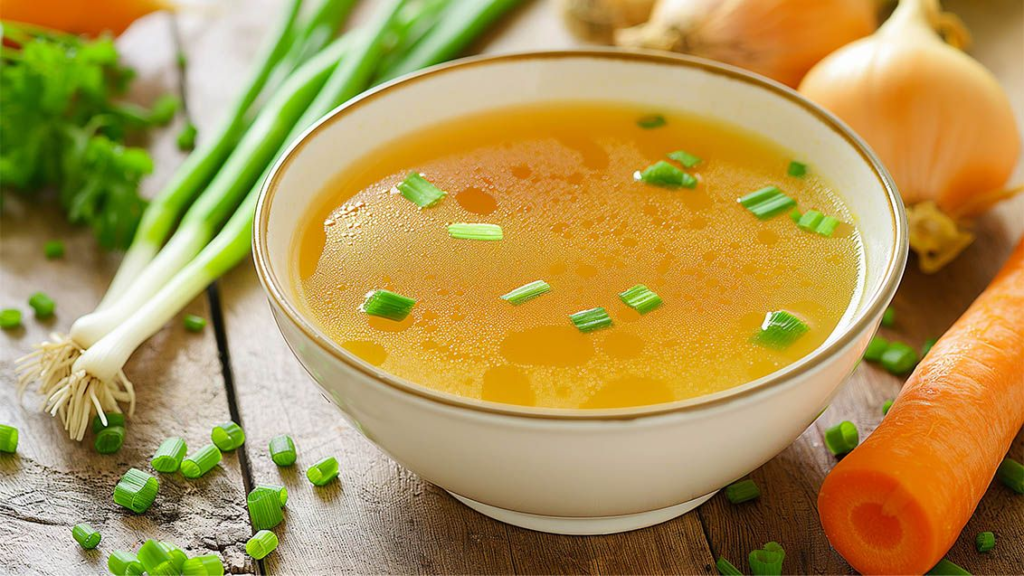
There are many types of broth soups to choose from. Each one can have a different flavor and texture.
Chicken Broth Soups
Chicken broth works well with vegetables, herbs, noodles, rice and shredded chicken. You can keep the recipe simple with carrots, celery, onions and herbs.Chicken soup can also provide fluids and nutrients when your appetite is low. Harvard notes that chicken soup can provide fluids and electrolytes. Traditional recipes may also provide protein from chicken and nutrients from vegetables.
Vegetable Broth Soups
Vegetable broth makes a useful base for many recipes. Add carrots, spinach, cabbage, tomatoes, mushrooms, beans, or leafy greens.
Vegetable soups & broths can be light while still providing fiber and important nutrients from vegetables. Using different colors and types of vegetables also adds variety to your meals.
Beef Broth Soups
Beef broth gives soup a deeper and richer taste. You can combine it with lean beef, mushrooms, carrots, onions, celery and potatoes.A small amount of beef can add protein. Beans or whole grains can make the bowl more filling without relying only on meat.
Fish and Seafood Broths
Fish broth works well with seafood, tomatoes, herbs, garlic and vegetables. It can create a lighter meal with a fresh flavor.These soups can include fish, prawns, mussels or other seafood depending on the recipe.
Healthy Ingredients to Add to Soup
The ingredients you choose can change the nutritional value of your meal. A soup made mostly from broth and refined noodles will be different from one packed with vegetables, beans, whole grains and lean protein.
For Healthy soups & broths consider adding:
- Leafy greens
- Carrots
- Tomatoes
- Mushrooms
- Beans
- Lentils
- Chickpeas
- Chicken
- Fish
- Whole grains
- Fresh herbs
- Garlic and onions
Key point to know:Vegetables can add fiber, vitamins, minerals and plant compounds. Beans and lentils can add both protein and fiber.
Whole grains can also make a broth-based meal more satisfying. Brown rice, barley and whole-grain noodles are some options.Harvard’s Healthy Eating Plate emphasizes vegetables, whole grains, healthy proteins and healthy fats as part of a balanced eating pattern.
Broth-Based Soups and Weight Management
Many people choose broth-based soups for weight loss because they can provide a large volume of food without requiring a large amount of added fat.
Water-rich foods generally have a lower energy density. Research reviews suggest that lower-energy-density foods can support fullness and may help reduce overall energy intake.
Some research has also examined soup and appetite. One controlled study found that eating soup before a meal reduced energy intake during the meal.However soup alone does not cause weight loss. The full meal and overall eating pattern still matter.
A broth-based soup can become very high in calories when you add large amounts of cream, cheese, fatty meat or oil. Portion size also matters.For a lighter meal, focus on vegetables, lean protein, beans and moderate portions of grains.
Best Broth Soup Recipes to Try
You do not need complicated ingredients to make a flavorful bowl. Start with a good broth and build the recipe around fresh ingredients.
Here are some simple ideas.
Chicken and Vegetable Soup
Use chicken broth as the base. Add chopped carrots, celery, onions, garlic and shredded chicken. Finish with parsley and black pepper.You can add a small amount of brown rice or whole-grain noodles if you want more carbohydrates.
Lentil and Vegetable Soup
Lentils work well in thick and hearty soups. Add tomatoes, carrots, onions, spinach and spices.This combination provides fiber and plant-based protein. It can also work as a filling lunch.
Mushroom and Herb Broth
Mushrooms add a rich savory flavor. Simmer them with vegetable broth, garlic, onions, thyme and black pepper.You can serve this soup on its own or add cooked barley for a more complete meal.
Tomato and Bean Soup
Combine tomatoes with white beans or chickpeas. Add onions, garlic, herbs and vegetable broth.The beans make the soup more filling. The tomatoes provide a strong base without requiring heavy cream.
Ginger Vegetable Soup
Try carrots, cabbage, mushrooms, spinach and green onions with a ginger-based broth. Add a little garlic and chili if you enjoy heat.Harvard also features a tofu-ginger vegetable soup that combines vegetables, tofu, mushrooms and other plant foods.
Ways to Add More Flavor to Broth
A bland broth can make even good ingredients taste boring. You can build flavor without adding large amounts of salt.Start with onions, garlic, celery, carrots, ginger or mushrooms. Let them cook before adding the broth.Fresh herbs can add another layer of flavor. Try parsley, coriander, thyme, rosemary, basil or green onions.
Spices can also change the character of a soup. Black pepper, cumin, paprika, turmeric, chili flakes and ginger are useful choices.Acid can make a big difference too. A small squeeze of lemon or a little vinegar can brighten the final dish.
You should also taste the soup before adding more salt. Sodium levels can vary widely between packaged broth products. Harvard recommends paying attention to sodium because high sodium intake can contribute to health risks such as high blood pressure.
Seasonal Ideas For Soups and Broths
Different seasons give you different ingredients to work with.During colder months try hearty soups with lentils, beans, chicken, beef or whole grains. Root vegetables such as carrots and potatoes also work well in these recipes.Spring is a good time for lighter soups. Use peas, spinach, asparagus, fresh herbs and spring onions.
Summer soups can include tomatoes, zucchini, corn and fresh herbs. You can also serve some vegetable soups slightly warm instead of piping hot.Autumn brings ingredients such as pumpkin, squash, mushrooms, carrots and sweet potatoes. These can create naturally rich soups without needing heavy cream.The variety of available vegetables makes soups & broths easy to adapt throughout the year.
Fresh Broth or Ready-Made Options
Both options can work. Homemade broth gives you more control over the ingredients. You can adjust the salt and add vegetables, herbs and spices according to yourpreference.Store-bought broth is convenient when you have limited time. Look at the nutrition label before buying it.
Compare sodium levels between products and choose one that fits your dietary needs.You can also freeze homemade broth in small portions. This makes it easier to prepare quick meals later.
Key point to know:If you are searching for Imagine Soups where to buy, check the product label and retailer information available in your area. Availability can vary by location and store.
Turn Soup Into a Complete Meal
A bowl of broth does not always provide enough protein or calories for a complete meal. You can make it more balanced by adding a few simple ingredients.
Try adding:
- Shredded chicken
- Boiled eggs
- Tofu
- Beans
- Lentils
- Fish
- Chickpeas
- Brown rice
- Barley
- Whole-grain noodles
You should know:Adding vegetables can increase the volume of the meal. Adding protein and fiber can make it more satisfying.This approach also helps turn a simple broth into a complete meal instead of treating it only as a starter.
Common Mistakes to Avoid
One common mistake is adding too much salt. Packaged broth can already contain sodium. Taste the soup before adding extra salt.Another mistake is relying too heavily on cream or cheese. These ingredients can add flavor but also increase calories and saturated fat.
Using only broth and vegetables can also make a meal too low in protein. Add beans, lentils, tofu, chicken, fish or another protein source when you want a complete meal.
Finally, do not cook vegetables for too long when you want to keep some texture. Add delicate vegetables later in the cooking process.
Make Soup Part of Your Regular Meals
Soup does not have to be limited to cold weather. It can work as lunch, dinner, a starter or a quick snack.You can prepare a large batch and store individual portions. This can save time during busy days.
Soups & broths are also easy to customize. You can change the vegetables, protein, spices and grains without completely changing the cooking method.
Harvard’s recipe collection includes options such as butternut squash soup, carrot coriander soup, cauliflower tomato soup, tofu-ginger vegetable soup and turkey noodle soup. This shows how many different ingredients can work within a soup-based meal.
Create a Flavorful Soup From Scratch
You can create many soup recipes without following a strict recipe every time.Start with a flavorful broth. Add two or three vegetables. Choose a protein if you want a complete meal. Add beans or whole grains when you need more fiber and energy.
Then season the soup with herbs and spices. Taste it before adjusting the salt.This simple formula gives you plenty of room to experiment. You can also use leftover vegetables and cooked protein instead of throwing them away.
Sum up
Soups & broths can suit many diets. Add vegetables, herbs, beans, grains, chicken or fish to make them light or filling.Broth-based meals provide fluids and can include nutrient-rich ingredients. Research suggests some soups may help with fullness.Choose healthy ingredients and watch the sodium in packaged broth. With simple ingredients you can enjoy a flavorful and satisfying bowl any time of year.