


Asia is renowned for its extraordinary diversity of flavors and culinary traditions. From spicy, aromatic curries to delicately prepared sushi, the continent offers an unparalleled gastronomic experience. Exploring Asian cuisines not only delights the taste buds but also provides insight into centuries-old cultural practices and culinary innovations. In 2026, food enthusiasts increasingly seek authentic flavors and regional specialties. This article highlights the most remarkable Asian cuisines, focusing on their distinctive characteristics, signature dishes, cultural significance, key ingredients, and modern culinary trends.
1. Chinese Cuisine
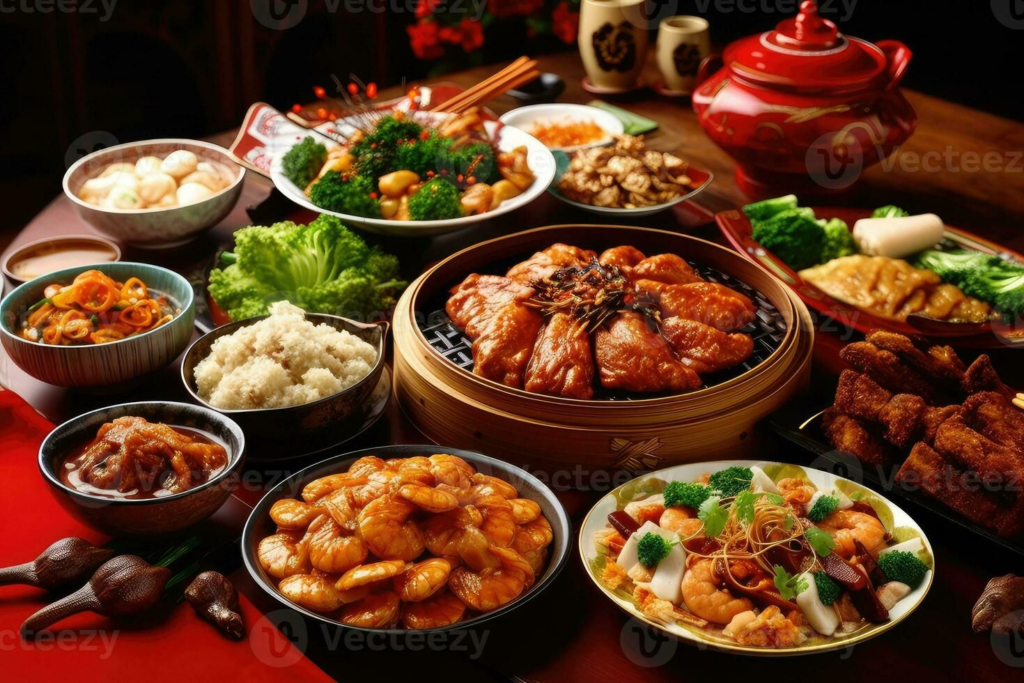
Chinese cuisine is one of the world’s oldest and most influential culinary traditions, shaped by millennia of history and regional diversity.
Key Features:
- Harmonized flavors: Dishes balance sweet, sour, salty, bitter, and umami tastes.
- Varied cooking methods: Stir-frying, steaming, braising, boiling, and deep-frying are commonly used.
- Regional differences: Sichuan cuisine is spicy and bold, Cantonese is fresh and mild, Hunan offers aromatic spice, Shandong specializes in seafood, and Jiangsu favors sweet and subtle flavors.
Popular Dishes:
- Dim Sum: Small bite-sized steamed or fried delicacies traditionally served with tea.
- Peking Duck: Crispy duck served with thin pancakes and savory condiments.
- Kung Pao Chicken: Stir-fried chicken with peanuts and chili peppers.
- Hot Pot: A communal meal where ingredients are cooked in simmering broth.
Health Insights:
Traditional Chinese meals emphasize vegetables, lean proteins, and minimal oil. Common ingredients such as ginger and garlic have antioxidant and anti-inflammatory properties.

2. Japanese Cuisine
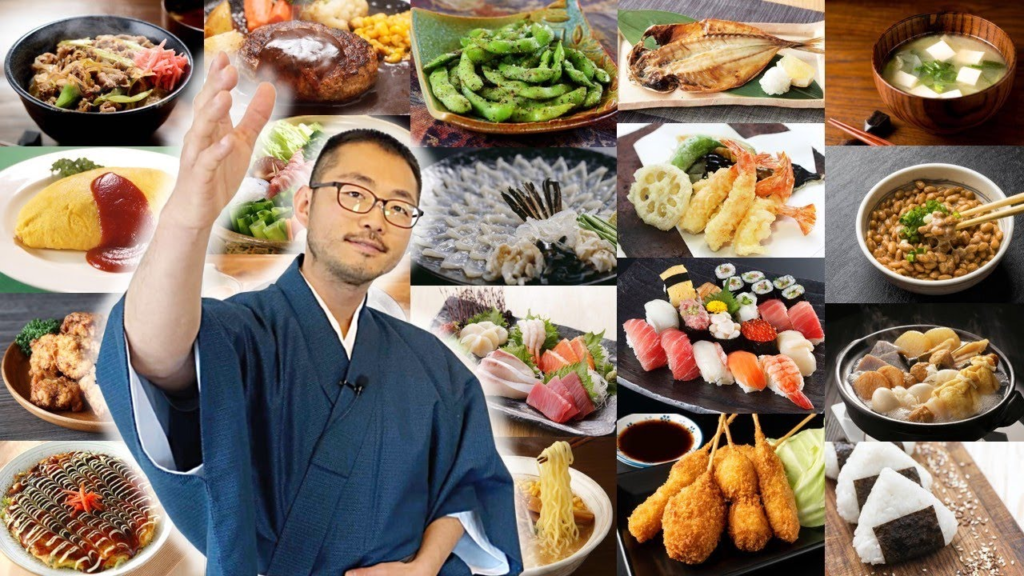
Japanese cuisine is admired worldwide for its minimalism, seasonality, and meticulous presentation.
Key Features:
- Fresh ingredients: Lightly cooked or raw components preserve natural flavors.
- Seasonal focus: Recipes are influenced by the ingredients available in each season.
- Simplicity: Dishes highlight pure flavors rather than heavy seasoning.
Popular Dishes:
- Sushi & Sashimi: Fresh fish served with or without rice.
- Ramen: Noodle soup with rich broth and toppings like meat and vegetables.
- Tempura: Lightly battered seafood or vegetables fried to perfection.
- Miso Soup: Nutrient-rich broth with a distinct umami flavor.
Health Insights:
Low in saturated fats, rich in omega-3 fatty acids, and abundant in vegetables and seaweed, Japanese meals support heart health, brain function, and longevity.

3. Indian Cuisine
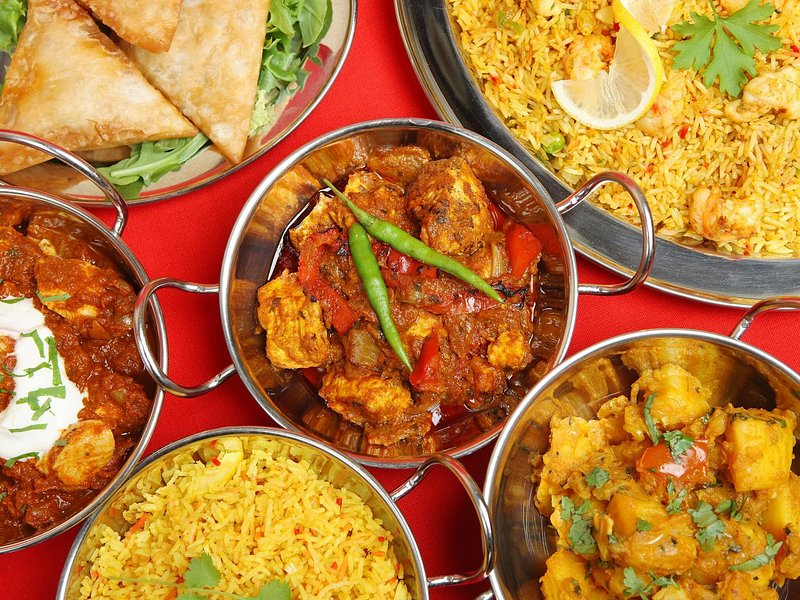
Indian cuisine is famous for bold spices, aromatic herbs, and vast regional variations.
Key Features:
- Flavorful spices: Turmeric, cumin, coriander, cardamom, and chili form complex profiles.
- Regional diversity: Northern India emphasizes bread and dairy-based dishes, while Southern India highlights rice and coconut-based recipes.
- Vegetarian-friendly: Many dishes cater to plant-based diets influenced by religious practices.
Popular Dishes:
- Butter Chicken: Creamy tomato-based curry with tender chicken pieces.
- Biryani: Fragrant rice with meat, spices, and saffron.
- Masala Dosa: Fermented rice and lentil crepe filled with spiced potatoes.
- Chaat: Savory street food combining sweet, sour, and spicy elements.
Health Insights:
Indian spices have antioxidant, anti-inflammatory, and digestive benefits. Legumes and vegetables provide protein and fiber, making meals nutritious when balanced.

4. Thai Cuisine
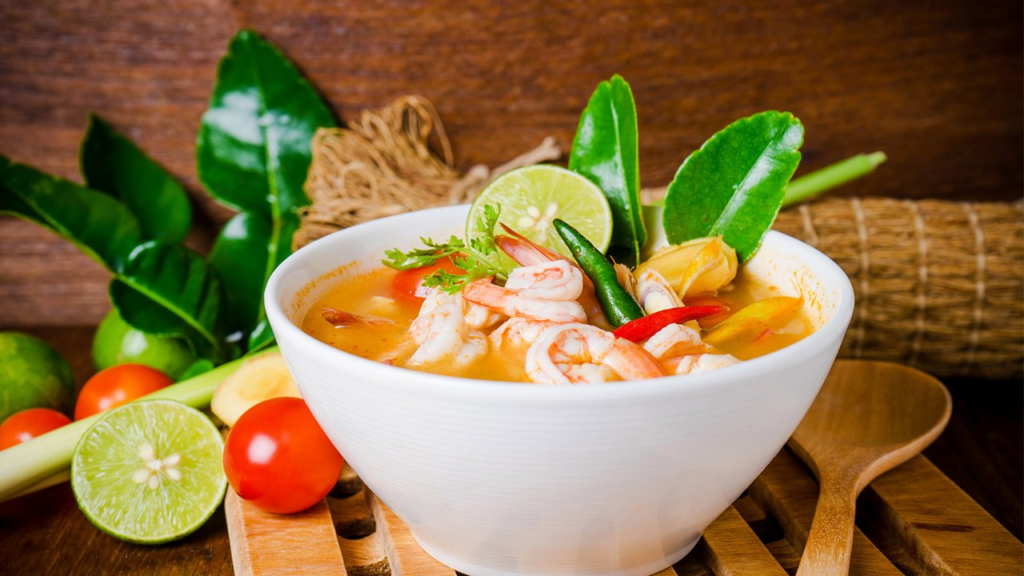
Thai cuisine is celebrated for its vibrant balance of sweet, sour, salty, and spicy flavors.
Key Features:
- Complex flavor harmony: Dishes often combine multiple taste sensations.
- Herbs and aromatics: Lemongrass, galangal, chili, and kaffir lime leaves are staples.
- Staple ingredients: Rice and noodles appear in almost every meal.
Popular Dishes:
- Pad Thai: Stir-fried noodles with peanuts, eggs, and proteins.
- Tom Yum Soup: Hot and sour soup with shrimp and aromatic herbs.
- Green Curry: Spicy coconut-based curry with vegetables and meat.
- Som Tum: Tangy green papaya salad with chili.
Health Insights:
Fresh herbs and vegetables in Thai meals boost immunity, aid digestion, and provide natural antioxidants.
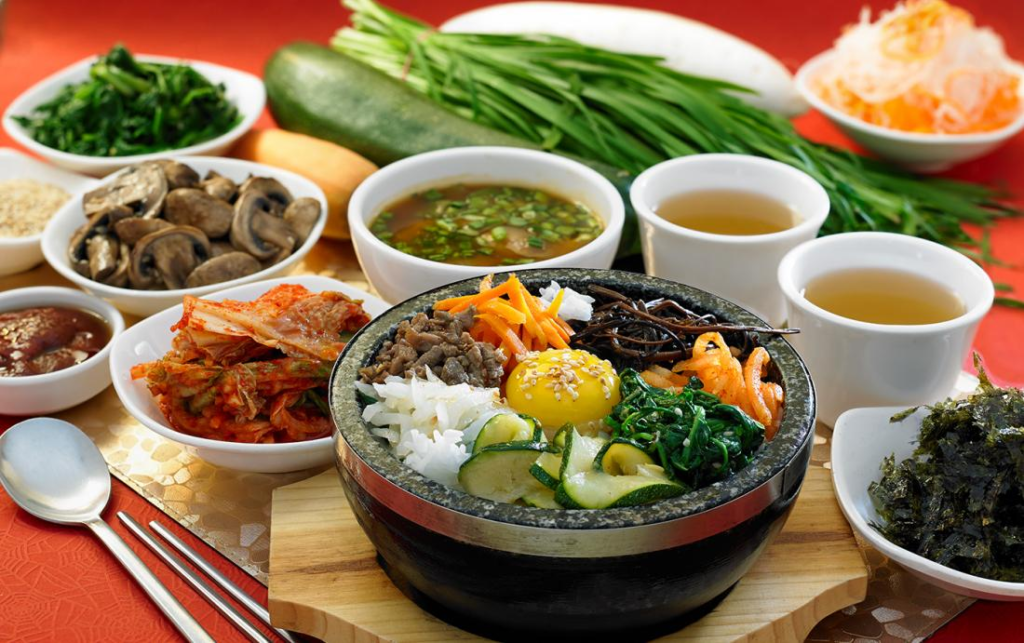
5. Korean Cuisine
Korean food emphasizes bold flavors, fermented ingredients, and communal dining.
Key Features:
- Fermentation: Kimchi and gochujang are integral.
- Side dishes (Banchan): Meals are accompanied by several small plates.
- Grilling: Korean BBQ remains a cultural highlight.
Popular Dishes:
- Kimchi: Fermented cabbage or radish, rich in probiotics.
- Bibimbap: Mixed rice with vegetables, meat, and chili paste.
- Bulgogi: Sweet and savory marinated grilled beef.
- Tteokbokki: Spicy rice cakes commonly served as street food.
Health Insights:
Fermented foods support gut health, and the combination of vegetables and proteins ensures nutrient-rich meals.
6. Vietnamese Cuisine
Vietnamese cuisine is light, fresh, and herb-driven, prioritizing balance in taste and presentation.
Key Features:
- Herbs: Mint, basil, and cilantro are widely used.
- Rice-based staples: Noodles and rice paper are common.
- Balanced flavors: Sweet, sour, salty, and spicy elements harmonize in every dish.
Popular Dishes:
- Pho: Aromatic noodle soup with herbs and meat.
- Banh Mi: French-influenced sandwich with pickled vegetables and protein.
- Spring Rolls: Fresh or fried rolls with vegetables, shrimp, or pork.
- Bun Cha: Grilled pork served with noodles and herbs.
Health Insights:
Low-calorie, nutrient-dense dishes rich in fresh herbs and lean proteins promote digestive health and overall wellness.

7. Malaysian/Indonesian Cuisine
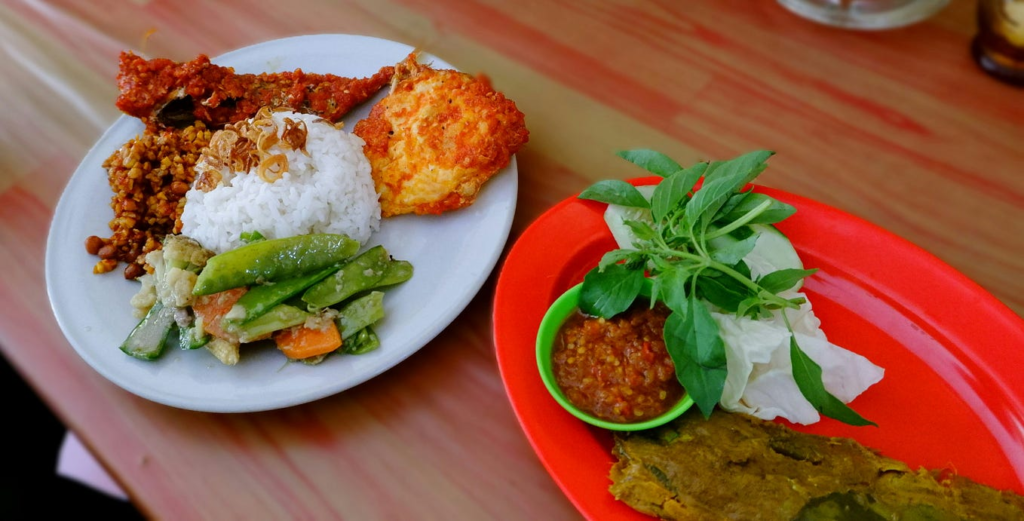
Malaysian and Indonesian foods reflect diverse influences, offering bold and tropical flavors.
Key Features:
- Spice-forward: Turmeric, galangal, lemongrass, and chili dominate.
- Rice-focused: Most dishes pair rice with curries or sambals.
- Street food culture: Local delicacies are widely available and affordable.
Popular Dishes:
- Nasi Goreng: Fried rice with flavorful spices.
- Rendang: Coconut milk-based slow-cooked beef curry.
- Laksa: Spicy noodle soup with coconut broth.
- Satay: Grilled skewered meat with peanut sauce.
Health Insights:
Vegetables and lean proteins are common, while herbs and fermented condiments aid digestion and provide anti-inflammatory benefits.
Cultural Significance and Modern Trends
Food in Asia carries deep cultural meaning. Many dishes are tied to festivals, family traditions, and regional identities.
- China: Dumplings for prosperity and hot pot for family gatherings.
- Japan: Kaiseki meals emphasize seasonality and mindfulness.
- India: Festival sweets reflect spirituality and communal harmony.
You Should Know: In 2026, modern trends include fusion dishes, health-conscious adaptations, and revival of traditional street foods, making Asian cuisines accessible globally while maintaining authenticity.

Tips For Exploring Asian Cuisines at Home
- Stock essential ingredients: soy sauce, sesame oil, fish sauce, and spices.
- Prioritize fresh vegetables, herbs, and lean proteins.
- Learn fundamental techniques: stir-frying, steaming, braising, grilling.
- Explore regional specialties to diversify flavors.
- Balance flavors: sweet, sour, salty, bitter, and umami.
Asian Cuisines: FAQs and Insights
1. What are the most popular Asian cuisines worldwide?
Chinese, Japanese, Indian, Thai, Korean, Vietnamese, and Malaysian/Indonesian cuisines are widely recognized globally.
2. Are cuisines healthy?
Yes. Many dishes use fresh vegetables, lean proteins, and balanced spices, prepared with methods like steaming and stir-frying.
3. How can I cook authentic Asian dishes at home?
Start with essential ingredients and learn key techniques like stir-frying and steaming. Explore regional recipes for authenticity.
4. What makes each Asian cuisine unique?
Regional geography, history, and culture influence flavors, ingredients, and cooking methods, giving each cuisine a distinct identity.
5. Can I enjoy cuisines without traveling?
Absolutely. Ingredients and cooking tutorials are widely available, allowing you to recreate authentic dishes at home.
6. Why is Asian cuisine so diverse?
The vast geography, cultural diversity, and historical influences across Asia have resulted in a wide array of distinct culinary traditions.
7. How do cuisines balance flavor and nutrition?
Traditional meals emphasize a mix of flavors and incorporate a variety of vegetables, proteins, and grains to ensure balanced nutrition.
BOTTOM LINE
Asian cuisines offer an extraordinary blend of flavors, techniques, and cultural significance. From Indian curries to Japanese sushi, Korean fermented foods to Thai and Malaysian street delicacies, each cuisine provides a unique culinary experience. Exploring these dishes promotes healthy eating, cultural understanding, and a broader appreciation for global gastronomy.