


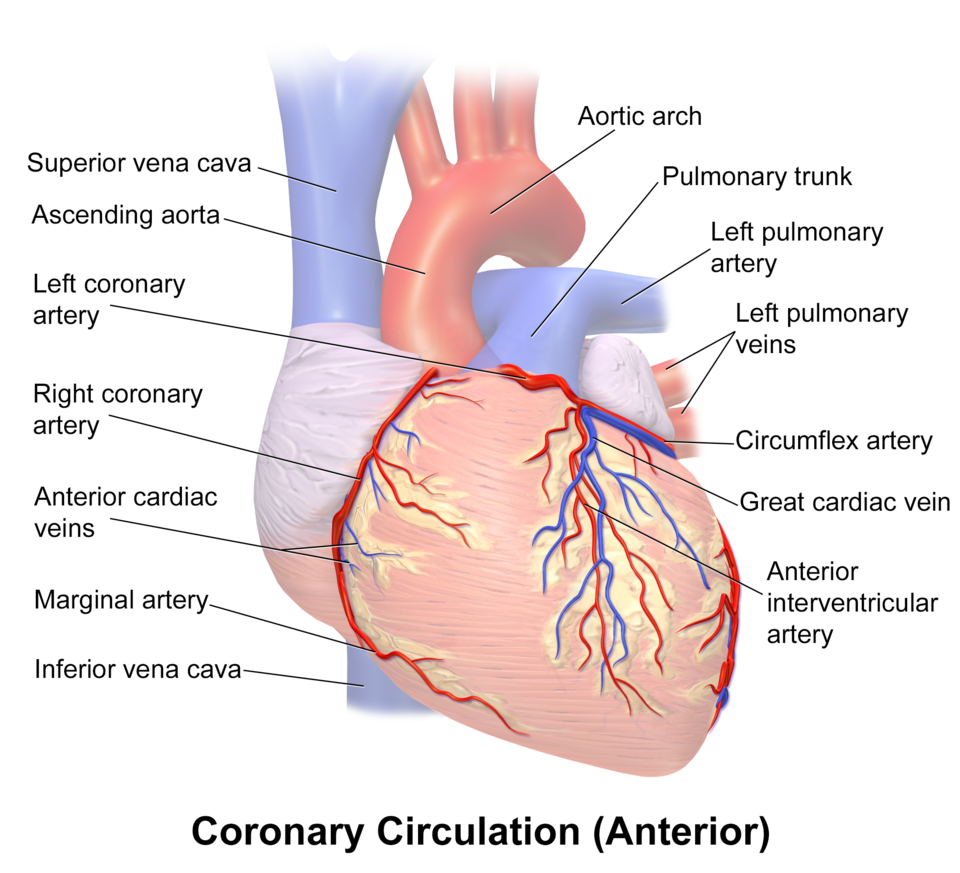
The anterior interventricular artery is an important blood vessel that plays a major role in supplying oxygen-rich blood to the heart muscles. It is one of the key branches of the left coronary artery and supports the normal function of the heart by providing nutrients and oxygen to different areas of the cardiac muscle.
This artery is also commonly known as the left anterior descending artery (LAD). It carries blood to important regions of the heart including the front wall and the middle section that separates the heart chambers. Healthy blood flow through this artery is essential for maintaining proper heart function.
What Is the Anterior Interventricular Artery?
The anterior interventricular artery is a major coronary blood vessel that travels along the front surface of the heart. It runs through a natural groove called the interventricular sulcus, which separates the left and right ventricles.
Its main function is to deliver oxygen and nutrients to the heart muscle. The artery supplies blood to areas that help the heart contract and pump blood effectively throughout the body.
The anterior interventricular pathway supports the heart’s electrical and muscular activity by supplying important tissues. Any interruption in its blood flow can affect the heart’s ability to work properly.
Blood Supply to the Heart
The heart requires a continuous supply of oxygen to function efficiently. The interventricular artery helps provide this oxygen by supplying blood to the front portion of the heart.
This artery supplies:
- The front wall of the left ventricle
- A large portion of the heart muscle
- The septum between the ventricles
- Areas involved in heart contraction
Key Points to Know:Because it supplies a large area of the heart, problems in this blood vessel can become serious and require medical attention.
Common Problems of the Anterior Interventricular Artery
Several conditions can affect the normal function of the anterior interventricular artery. Most problems occur due to reduced blood flow caused by narrowing or blockage.
Artery Blockage
One of the most common issues is the buildup of fatty deposits inside the artery walls. This condition is known as atherosclerosis.
Over time, cholesterol and other substances can create plaque that narrows the artery. This reduces blood supply to the heart muscle and may cause chest discomfort or other symptoms.
Coronary Artery Disease
When plaque buildup affects the blood vessels of the heart it can lead to coronary artery disease. The coronary artery anterior interventricular connection is important because reduced blood flow in this area can impact a significant portion of the heart.
People with high cholesterol, high blood pressure, diabetes and smoking habits have a higher risk of developing artery-related problems.
Blood Clots
A blood clot can suddenly block blood flow through the artery. If oxygen cannot reach the heart muscle the affected tissue may become damaged.
A complete blockage can lead to a serious heart emergency that requires immediate medical care.
Artery Narrowing
Some people develop gradual narrowing of this blood vessel. This may not cause noticeable symptoms at first but reduced circulation can affect heart performance over time.
Regular health checks help identify risk factors before severe complications develop.
Symptoms of Artery Problems
Symptoms can vary depending on the severity of the blockage or reduced blood flow.
Common warning signs include:
- Chest pain or pressure
- Shortness of breath
- Fatigue during physical activity
- Dizziness
- Fast or irregular heartbeat
- Pain spreading to the arm, neck or jaw
Key Points to Know:Some people may experience mild symptoms while others may have sudden and severe signs during a heart emergency.
Heart Risks Linked to Artery Damage
Problems involving the anterior interventricular artery can increase the risk of several serious heart conditions.
Heart Attack
A major blockage can stop blood flow to part of the heart muscle. Without enough oxygen, heart cells may become damaged leading to a heart attack.
Early treatment is important to restore blood circulation and reduce long-term damage.
Reduced Heart Function
When heart muscles do not receive enough oxygen they may become weaker. This can affect the heart’s ability to pump blood efficiently.
Over time reduced function may lead to complications that affect daily activities and overall health.
Irregular Heart Rhythm
Damage to areas supplied by this artery can affect the heart’s electrical signals. This may cause abnormal heart rhythms also called arrhythmias.
Some irregular rhythms are mild while others may require medical management.
Heart Failure Risk
Long-term damage from poor blood supply can weaken the heart muscle. This increases the risk of developing heart failure where the heart cannot pump blood effectively.
Early diagnosis and proper treatment can help protect heart strength.
Tests Used to Check This Artery
Doctors use different tests to evaluate blood flow and detect problems related to this artery.
Common tests include:
- Electrocardiogram (ECG)
- Echocardiogram
- Stress testing
- Coronary angiography
- CT heart scans
Key Points to Know:These tests help doctors understand the condition of the heart and determine the best treatment approach.
Ways to Treat Artery Problems
Treatment depends on the severity of the problem and overall heart health.
Lifestyle Changes
Healthy habits can reduce the risk of artery complications. Important steps include:
- Eating a balanced diet
- Exercising regularly
- Maintaining a healthy weight
- Avoiding smoking
- Managing stress
- Controlling blood pressure and cholesterol
Medications
Doctors may recommend medicines to:
- Reduce cholesterol levels
- Control blood pressure
- Prevent blood clots
- Improve blood flow
Medical Procedures
In severe cases procedures may be needed to restore blood flow. These may include angioplasty or other heart treatments.
Tips to Keep Your Heart Healthy
Protecting heart blood vessels requires long-term healthy habits.
Helpful prevention steps include:
- Regular physical activity
- Heart-friendly nutrition
- Routine medical checkups
- Managing existing health conditions
- Limiting unhealthy fats
Key Points to Know:Understanding the importance of the anterior descending artery helps people recognize why maintaining healthy circulation is essential.
In Closing
The anterior interventricular artery is a vital blood vessel that supplies oxygen-rich blood to important areas of the heart. Problems such as blockage, narrowing or reduced blood flow can increase the risk of serious heart conditions. Recognizing symptoms early, maintaining a healthy lifestyle and getting regular medical evaluations can help protect heart function and reduce future risks.
Frequently Asked Questions
1. What is the anterior interventricular artery?
It is a major coronary blood vessel that supplies oxygen-rich blood to parts of the heart muscle, especially the front wall and ventricular septum.
2. What happens if this artery becomes blocked?
A blockage can reduce oxygen supply to the heart and may lead to chest pain, heart damage, or a heart attack.
3. How can artery problems be prevented?
Healthy eating, regular exercise, avoiding smoking and controlling cholesterol and blood pressure can reduce risks.
4. Is artery blockage always dangerous?
The seriousness depends on the level of blockage and how much it affects blood flow to the heart.
5. When should someone see a doctor?
Medical help should be taken if a person experiences chest pain, breathing difficulty, dizziness, or unusual heart-related symptoms.