


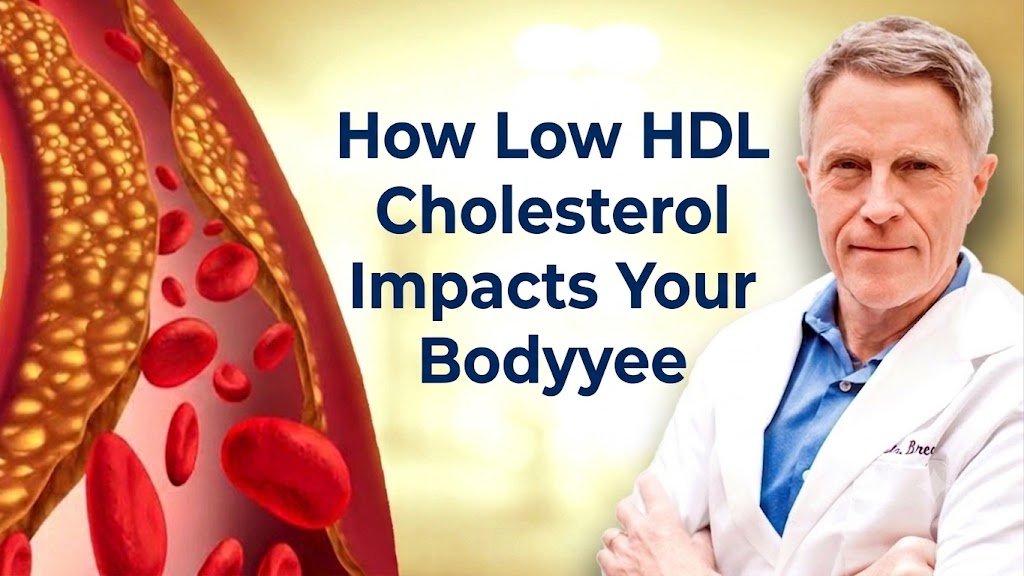
HDL cholesterol plays an important role in keeping your heart and blood vessels healthy. It is often called good cholesterol because it helps remove excess cholesterol from the bloodstream and carries it to the liver where it can be processed and removed from the body. When decreased HDL cholesterol occurs this natural cleaning process becomes less effective. As a result cholesterol may build up inside the arteries and increase the risk of heart disease over time.
Many people do not realize they have Low HDL cholesterol until a routine blood test reveals it. Understanding what causes it, how it affects the body and what steps can improve HDL levels can help reduce future health risks.
What Is HDL Cholesterol?
HDL stands for High-Density Lipoprotein. It is one of the main types of cholesterol found in the blood. Unlike LDL, which can leave cholesterol deposits in the arteries, HDL helps remove extra cholesterol before it causes damage.
Healthy HDL cholesterol levels support better circulation and protect the heart by reducing plaque buildup in blood vessels. Maintaining healthy HDL is just as important as controlling LDL cholesterol.
Decreased HDL Cholesterol: What You Need to Know
Decreased HDL cholesterol means the amount of HDL in your blood is lower than the recommended level. When this happens the body has fewer particles available to transport excess cholesterol away from the arteries.
A low HDL level does not always cause immediate health problems. However over time it may increase the chance of developing heart disease, stroke and other cardiovascular conditions if left untreated.
How HDL Supports Your Health
HDL acts like a natural cleaning system for your bloodstream. It collects unused cholesterol and carries it back to the liver for disposal.
When HDL cholesterol is low extra cholesterol may remain in the blood for longer periods. This can contribute to fatty deposits inside artery walls making it harder for blood to flow normally. Healthy HDL also supports blood vessel function and helps reduce inflammation both of which are important for cardiovascular health.
Common Causes of Decreased HDL Cholesterol
There are several reasons why HDL levels may decrease. Understanding the causes of low HDL cholesterol helps identify the right treatment and lifestyle changes.
Some common causes include:
- Smoking
- Lack of regular exercise
- Excess body weight
- Diet high in processed foods and unhealthy fats
- Type 2 diabetes
- Genetic factors
- Chronic kidney disease
- Certain medications
In many cases more than one factor contributes to Reduced HDL cholesterol.
Risk Factors
Some people are more likely to develop low HDL levels than others. Common risk factors include:
- Being physically inactive
- Eating too many refined carbohydrates
- Obesity
- High triglyceride levels
- Increasing age
- Family history of cholesterol disorders
- Smoking tobacco products
People with these risk factors should have regular cholesterol tests to monitor their heart health.
Symptoms and Warning Signs
One important fact about Lower HDL cholesterol levels is that it usually does not produce noticeable symptoms. Most people feel completely healthy until complications begin to develop.
The symptoms of low HDL cholesterol are often linked to the diseases that result from long-term cholesterol imbalance rather than the low HDL itself. These may include:
- Chest discomfort
- Shortness of breath during activity
- Fatigue
- Poor circulation
- Heart attack or stroke in severe cases
Key Points to Know:Routine blood tests remain the most reliable way to detect HDL problems before complications occur.
Health Risks of Low HDL
Having Low HDL levels increases the likelihood of several serious health conditions.
These include:
- Coronary artery disease
- Heart attack
- Stroke
- Peripheral artery disease
- Metabolic syndrome
Key Points to Know:The risk becomes even greater when low HDL is combined with high LDL cholesterol, high blood pressure, obesity or diabetes.
Blood Tests for Low HDL Cholesterol
Doctors diagnose cholesterol problems through a simple blood test called a lipid profile. This test measures:
- Total cholesterol
- LDL cholesterol
- HDL cholesterol
- Triglycerides
Important Things to Know:Healthcare providers evaluate these results together instead of focusing on a single number. They also consider age, family history, blood pressure, diabetes, smoking status and other risk factors before recommending treatment.
Simple Ways to Boost HDL Naturally
Many people can improve decreased HDL cholesterol through healthy lifestyle habits.
Exercise Regularly
Aim for at least 150 minutes of moderate physical activity every week. Walking, cycling, swimming, and jogging can all help improve heart health.
Eat Heart-Healthy Foods
Choose foods that contain healthy fats, including:
- Olive oil
- Avocados
- Almonds
- Walnuts
- Salmon
- Sardines
Limit processed foods, sugary drinks and trans fats whenever possible.
Maintain a Healthy Weight
Even modest weight loss can improve cholesterol balance and support better cardiovascular health.
Quit Smoking
Smoking lowers HDL cholesterol while damaging blood vessels. Quitting smoking can improve cholesterol levels and reduce heart disease risk.
Limit Alcohol Intake
Heavy alcohol use can negatively affect cholesterol and overall health. Moderate or no alcohol consumption is generally the healthier choice.
Medical Treatment
Lifestyle improvement remains the first treatment for most people. However, some individuals may also require medication if they have multiple cardiovascular risk factors.
Doctors may prescribe medicines to control LDL cholesterol, manage diabetes or reduce triglycerides. The treatment plan depends on each person’s overall health rather than HDL alone.
Regular follow-up appointments help ensure cholesterol levels remain within healthy ranges.
Prevention Tips
Preventing cholesterol problems is easier than treating complications later.
Simple preventive habits include:
- Stay physically active.
- Eat a balanced diet rich in fruits and vegetables.
- Avoid smoking.
- Maintain a healthy body weight.
- Control blood pressure and blood sugar.
- Schedule regular cholesterol screenings.
- Follow your doctor’s recommendations.
These habits help protect your heart throughout life.
Knowing When to Visit a Doctor
Visit your healthcare provider if you have:
- A family history of heart disease
- Diabetes
- High blood pressure
- Obesity
- Abnormal cholesterol test results
Early diagnosis allows treatment to begin before serious complications develop.
In Closing
Decreased HDL cholesterol is an important health concern because HDL helps remove excess cholesterol from the bloodstream and protects the heart. While this condition usually causes no direct symptoms it can increase the risk of heart disease and stroke over time. Regular cholesterol testing, healthy eating, exercise, weight management and avoiding smoking are effective ways to improve heart health. Early action and consistent lifestyle changes can make a significant difference in reducing long-term cardiovascular risk.
Frequently Asked Questions
1. What is decreased HDL cholesterol?
It means the level of HDL also known as low good cholesterol is below the recommended range reducing the body’s ability to remove excess cholesterol from the bloodstream.
2. Can Reduced HDL levels be improved naturally?
Yes. Regular exercise, a healthy diet, weight management and quitting smoking can help raise HDL levels in many people.
3. Is low HDL cholesterol dangerous?
Yes. Low HDL cholesterol increases the risk of heart disease and stroke especially when combined with high LDL cholesterol or diabetes.
4. How is Low levels of HDL cholesterol diagnosed?
Doctors diagnose HDL deficiency through a lipid profile blood test that measures different types of cholesterol and triglycerides.
5. Is medication always needed for low cholesterol?
Not always. Many people improve their condition through lifestyle changes while others may need medication based on their overall cardiovascular risk and other medical conditions.