How to Get Rid of Acne Scars Effective Solutions That Work
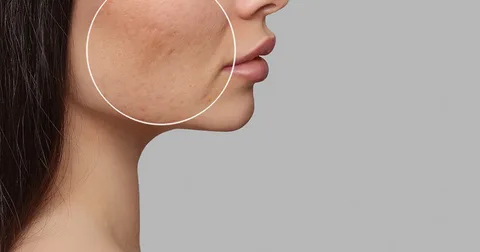

How to get rid of acne scars can be a major concern for many, as acne itself is frustrating enough, but the marks it leaves behind often linger long after breakouts have healed. Whether it is dark spots, pitted scars, or uneven texture, many people want effective solutions. This comprehensive guide explains what acne scars are, why they form, and the most reliable ways to treat them — from proven dermatological procedures to natural remedies and daily care tips.
What Are Acne Scars?
Acne scars are marks or indentations left on the skin after an acne breakout heals. Unlike temporary redness, acne scars are permanent changes in skin texture and pigmentation caused by inflammation that affects deeper layers of skin and collagen. Different scars require different strategies to reduce their appearance.
For more details also read this: https://www.healthline.com/health/acne-scars#raised-scars
Types of Acne Scars
Before choosing a treatment, it’s important to know the type of scars you have:
- Ice pick scars – Deep, narrow indentations that make the skin look like it has been punctured.
- Boxcar scars – Broad depressions with defined edges, often on cheeks and jawline.
- Rolling scars – Wave-like indentations caused by fibrous tissue bands beneath the skin.
- Hypertrophic/keloid scars – Raised scars that form due to excessive collagen production.
Key Points to Know:Knowing the type helps choose the best approach to how to get rid of acne scars on face — whether at home or with professional help.
Why Acne Leaves Scars on the Skin?
When acne lesions inflame the skin and its underlying layers, the body attempts to repair itself. This healing process involves collagen — a protein that helps maintain skin structure. If too little collagen forms, the skin indents; if too much forms, raised scars appear. Genetics, picking at acne, delayed treatment, and the severity of breakouts all affect whether scars develop.
Professional Dermatological Treatments
For most people seeking to diminish acne scars, dermatologists offer a range of medical treatments. These therapies are backed by scientific evidence and tailored to specific scar types and skin tones.
Laser Resurfacing
Laser therapies — such as ablative and non-ablative lasers — are commonly used to promote new collagen growth and smooth uneven skin texture. These treatments work by removing the skin’s top layer or heating deeper layers to stimulate regeneration.
Benefits:
- Can significantly reduce the visibility of shallow and moderate scars
- Encourages collagen production
- Effective for many skin types
Considerations:
- May require multiple sessions
- Temporary redness and swelling are common
Microneedling (Collagen Induction Therapy)
Microneedling uses a device with tiny needles that create controlled micro-injuries, prompting the skin to produce more collagen and elastin. This can soften the appearance of scars and improve texture.
Benefits:
- Safe for most skin tones
- Can be combined with other treatments like radiofrequency for enhanced effects
Considerations:
- Visible improvement may take several sessions
Chemical Peels
Chemical peels involve applying acids (such as glycolic, salicylic, or trichloroacetic acid) to exfoliate the skin’s surface. Over time, this helps fade scars and promote smoother skin.
Benefits:
- Effective for surface discoloration
- Mild to deep peels available depending on scar severity.
Considerations:
- Sun sensitivity increases after peels
Exfoliation Based Treatments for Acne Scars
Dermabrasion removes the skin’s upper layer mechanically, making scars less noticeable. Microdermabrasion is gentler and exfoliates the surface without deep abrasion.
Benefits:
- Improves skin texture over time
Considerations:
- May not be sufficient for deep scars
Fillers and Subcision
Dermal fillers can raise depressed scars by filling in indentations, while subcision involves cutting fibrous scar tissue beneath the skin. Both methods can significantly reduce scarring appearance.
How to Get Rid of Acne Scars Naturally?
Many people prefer gentle, natural methods to help reduce acne scars — especially when scars are mild or newly formed. While results won’t be as dramatic or fast as medical treatments, natural remedies can support skin healing and improve texture over time.
Aloe Vera
Aloe vera gel is known for its soothing and healing properties and may help calm inflammation and support skin repair.
How to use:
- Apply fresh aloe gel directly on scarred skin
- Leave on for 20–30 minutes, rinse off
- Use daily for best results
Lemon Juice
Rich in vitamin C and natural acids, lemon juice is often suggested for skin brightening and can help lighten dark pigmented scars.
How to use:
- Dilute lemon juice with water
- Apply gently on scars for a few minutes
- Rinse thoroughly
Note: Always use sunscreen after lemon application as it can increase sun sensitivity.
Honey
Honey’s antibacterial and healing properties may support wound healing and reduce inflammation.
How to use:
- Apply raw honey on scars
- Leave for 20–30 minutes, wash off
Turmeric and Herbal Pastes
Traditional remedies like turmeric mixed with neem or periwinkle leaves are used in some cultures for skin healing and scar fading.
How to use:
- Prepare a paste with ingredients
- Apply and leave on skin for 15–20 minutes
Outcomes of Natural Acne Scar Remedies
While people often search “How to remove acne scars naturally in a week” it is important to understand that natural remedies mostly improve texture gradually rather than erase scars overnight. Patience and consistency are key most natural methods show noticeable changes only after weeks of regular use.
Skincare Habits to Minimize Acne Scars
A proper routine can enhance scar healing and prevent future marks:
- Cleanse Gently: Use a mild face wash to remove impurities and prevent new breakouts.
- Moisturize: Well-hydrated skin heals better and is less prone to dryness and irritation
- Sun Protection: Daily SPF prevents hyperpigmentation from darkening scars further.
- Targeted Topicals: Ingredients like retinoids, salicylic acid, and azelaic acid promote cell turnover and can reduce scars over time.
Key Points to Know:Consult a dermatologist before adding potent active ingredients, especially if your skin is sensitive.
How to Get Rid of Acne Scars Fast?
If you want faster results, combining methods often works best. For instance, a dermatologist might pair laser therapy with microneedling, or use fillers alongside chemical peels — all tailored to individual skin and scar types.
Professional treatments are generally more effective and faster than at-home remedies, but they also require time, money, and sometimes multiple sessions.
Prevention: The Best Strategy
Preventing acne scars is often easier than treating them. Key habits to reduce scarring risk include:
- Avoid picking or squeezing acne (this increases inflammation and tissue damage).
- Treat acne early to limit inflammation that leads to scarring.
- Use sunscreen daily — sun exposure can darken scars.
- Follow a dermatologist-approved acne plan to clear active breakouts effectively.
Must-Know Information: Once scars form, the focus becomes fading and remodeling the tissue rather than eliminating them instantly.
Key Summary
Acne scars are common marks left after breakouts that affect skin texture and pigmentation. Understanding your scars and options empowers you to choose the right approach to how to get rid of acne scars. Dermatological procedures like laser therapy, microneedling, and chemical peels offer clinically backed results. Natural remedies like aloe vera, honey, and lemon can support healing gently over time. Combining treatments with a careful daily routine and good sun protection maximizes results. While natural methods appeal to many, professional advice gives the best chance for noticeable improvement particularly when searching how to get rid of acne scars on face or looking for faster results. Remember that consistency, patience, and expert guidance will make your skin healthier and reduce scarring over time.
Everything You Need to Know
1. How long does it take for acne scars to fade?
Acne scars don’t disappear overnight. Mild scars may improve in a few months with treatment, while deeper scars often take longer and may require professional procedures. Regular care and patience are essential.
2. Can natural remedies remove acne scars fast?
Natural remedies may help improve texture and lighten pigmentation gradually, but they won’t deliver instant results. Most natural approaches require consistent use over weeks or months.
3. What professional treatment is best for deep scars?
Dermatologists often recommend lasers, microneedling, or subcision for deeper or pitted scars, tailored to your specific scar type.
4. Does sunscreen help fade acne scars?
Yes. Sunscreen prevents scars from darkening and protects healing skin from harmful UV rays, making other treatments more effective.
5. Can acne scars go away completely?
Some scars may fade significantly with treatment, but complete disappearance isn’t always guaranteed. Multiple treatments and time often yield the best visible improvement.