


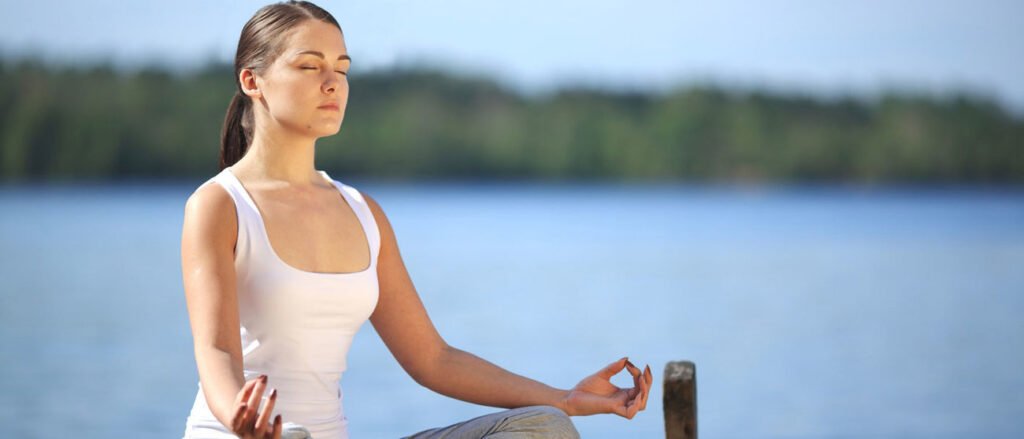
Mental peace is a state of inner calm, balance, and emotional stability. It allows people to think clearly, make better decisions, and handle daily challenges without feeling overwhelmed. In today’s fast-paced world, stress, work pressure, social responsibilities, and constant digital distractions often make it difficult to maintain a calm mind.
Many people believe that happiness and success automatically bring peace of mind. However, true peace comes from healthy habits and a balanced lifestyle. Understanding practical techniques can help anyone create a calmer and more stable mental state.
What Is Mental Peace?
Mental peace refers to a condition where the mind remains calm despite external challenges. It does not mean that problems disappear from life. Instead, it means developing the ability to face situations without excessive stress, worry, or emotional disturbance.
When people experience peace of mind, they often feel more focused, emotionally balanced, and satisfied with their daily lives. This state supports both mental and physical well-being.
Practice Mindfulness
Mindfulness is one of the most effective techniques for achieving inner calm. It involves paying attention to the present moment without judgment.
Many people spend their time worrying about the future or thinking about past events. Mindfulness encourages individuals to focus on what is happening right now.
Simple mindfulness practices include:
- Paying attention to breathing
- Observing surroundings carefully
- Eating meals without distractions
- Focusing on one task at a time
Regular mindfulness practice helps reduce stress and improves emotional balance.
Deep Breathing Exercises
Breathing techniques are simple but powerful tools for calming the mind.
When people experience stress, breathing often becomes fast and shallow. Deep breathing sends signals to the body that it is safe to relax.
A simple method includes:
- Inhale slowly through the nose.
- Hold your breath for a few seconds.
- Exhale slowly through the mouth.
Repeating this process for a few minutes can help reduce tension and promote relaxation.
Develop a Healthy Daily Routine
A structured daily routine creates stability and reduces unnecessary stress.
People often feel overwhelmed when their schedules are disorganized. Planning daily activities helps improve focus and reduces mental clutter.
A healthy routine should include:
- Consistent sleep schedules
- Regular meal times
- Physical activity
- Time for relaxation
Small improvements in daily structure can contribute significantly to long-term well-being.
Avoiding Unnecessary Digital Overload
Technology offers many benefits, but excessive screen time can affect emotional health.
Constant notifications, social media updates and online information overload can increase stress levels. Limiting digital distractions allows the mind to rest and recover.
Helpful strategies include:
- Taking breaks from social media
- Turning off unnecessary notifications
- Setting screen-free periods during the day
- Avoiding devices before bedtime
Reducing digital overload helps create more space for calm thinking.
Engage in Regular Physical Activity
Exercise benefits both the body and the mind.
Physical activity releases chemicals that improve mood and reduce stress. It also helps improve sleep quality and overall energy levels.
Activities may include:
- Walking
- Jogging
- Cycling
- Yoga
- Stretching exercises
Key point to know:Regular movement supports emotional balance and promotes mental calmness over time.
Spend Time in Nature
Nature has a calming effect on the human mind.
Spending time outdoors can reduce stress and improve concentration. Natural environments provide a break from daily pressures and distractions.
Simple ways to connect with nature include:
- Walking in parks
- Gardening
- Sitting outdoors
- Visiting natural landscapes
Even short periods in natural surroundings can improve emotional well-being.
Building a Grateful Mindset
Gratitude shifts attention away from problems and toward positive aspects of life.
People often focus on what they lack instead of appreciating what they already have. Developing gratitude helps create a more balanced perspective.
Ways to practice gratitude include:
- Writing down positive experiences
- Keeping a gratitude journal
- Reflecting on daily achievements
- Expressing appreciation to others
This habit can improve emotional resilience and support a peaceful mindset.
Ways to Handle Stress More Effectively
Stress is a normal part of life, but managing it properly is essential.
Healthy stress management techniques include:
- Prioritizing important tasks
- Breaking large goals into smaller steps
- Taking regular breaks
- Avoiding unnecessary multitasking
Key point to know:Effective stress management prevents emotional exhaustion and supports long-term stability.
Strengthening Meaningful Connections
Positive relationships play an important role in emotional health.
Supportive family members, friends, and colleagues can provide encouragement during difficult times. Healthy communication helps reduce misunderstandings and emotional tension.
Important relationship habits include:
- Listening carefully
- Communicating honestly
- Showing respect
- Offering support when needed
Strong social connections contribute to lasting peace.
Better Sleep Routine
Sleep is essential for mental and emotional recovery.
Poor sleep can increase irritability, anxiety, and difficulty concentrating. Creating healthy sleep habits helps the mind function more effectively.
Good sleep practices include:
- Maintaining a consistent bedtime
- Limiting caffeine late in the day
- Creating a comfortable sleep environment
- Reducing screen exposure before sleep
Quality rest helps improve emotional stability and overall well-being.
Focus on What You Can Control
Many people become stressed by situations beyond their control.
Focusing energy on controllable actions helps reduce unnecessary worry. Instead of dwelling on uncertain outcomes, it is often more productive to concentrate on personal choices and responses.
This mindset encourages acceptance and reduces emotional strain.
Make Time for Relaxation
Relaxation is not a luxury. It is an important part of maintaining emotional health.
Activities that promote relaxation include:
- Reading
- Listening to music
- Meditation
- Creative hobbies
- Spending time with loved ones
Regular relaxation helps restore mental energy and supports a balanced lifestyle.
Bottom Line
Achieving mental peace requires consistent habits rather than quick solutions. Techniques such as mindfulness, deep breathing, exercise, gratitude, healthy relationships, stress management, and quality sleep can help create a calmer and more balanced mind.
Although challenges are a natural part of life, developing these habits makes it easier to handle them with confidence and emotional stability. With regular practice anyone can experience greater things and improve overall well-being.
Frequently Asked Questions
1. What is Mental relaxation?
This is a state of inner calm, emotional balance, and freedom from excessive stress or worry.
2. Can mindfulness improve peace?
Yes. Mindfulness helps people focus on the present moment and reduces stress-related thoughts.
3. How does exercise help mental health?
Exercise releases mood-enhancing chemicals, reduces stress, and improves overall emotional well-being.
4. Why is sleep important for peace?
Quality sleep helps the brain recover, improves emotional control, and reduces stress levels.
5. Can gratitude help create a peaceful mindset?
Yes. Practicing gratitude encourages positive thinking and helps people focus on the good aspects of life.