


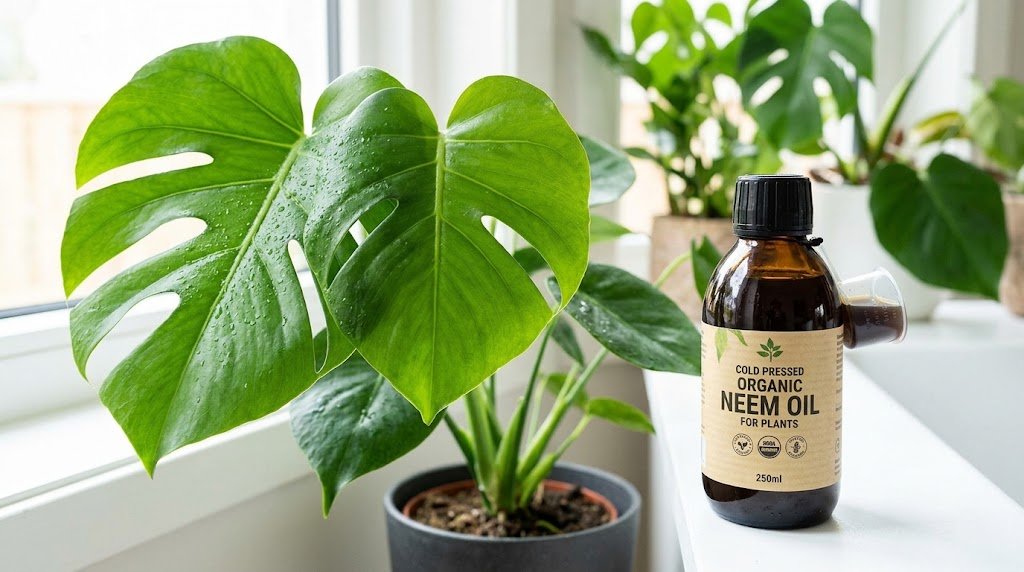
Neem oil comes from neem tree seeds and helps control certain plant pests. Choosing the best organic neem oil for plants depends on its ingredients, intended use and label instructions. Use it correctly to avoid damaging plant leaves.
Choosing the right neem oil and using it properly can help you protect your plants from pests.
How to Choose the Best Organic Neem Oil For Plants
Before buying neem oil check a few important things. The product should suit your plants and the pests you want to control.
1. Check the Ingredients
Read the product label before you buy neem oil. Look for a product made for garden use and check whether the label lists the plants and pests you want to treat.Some products contain neem oil as the main ingredient while others contain additional ingredients. The formula can affect how you use the product so do not assume that every neem oil product works in the same way.The best organic neem oil for your garden should have clear ingredient information and simple directions for use. Avoid products that do not explain their intended use.Also do not use neem oil products made for cosmetics or personal care on plants unless the label specifically approves that use.
2. Look for Cold-Pressed Neem Oil
Cold-pressed neem oil comes from neem seeds through a pressing process that does not rely on high heat. Some gardeners prefer this type when choosing a neem oil product for garden use.However the words “cold-pressed” alone do not mean that a product is suitable for every plant. Always check the full label and follow its directions.Best cold pressed neem oil for plants is a useful search term when comparing products. Still you should compare the ingredients approved uses and application instructions instead of choosing a product based on its name alone.
3. Check the Organic Label
If you want an organic product read the label carefully. Look for a clear statement about the product’s organic status and check whether it has a certification you recognize if certification matters to you.Do not assume that every product made from a natural ingredient has organic certification. Natural ingredients can still affect plants, insects, and people when you use them incorrectly.The best neem oil for organic gardening should match your gardening needs and provide clear instructions for safe use.
4. Choose Between Concentrate and Ready-to-Use Products
Neem oil products usually come in different forms. Some are concentrated and need mixing before use. Others come ready to spray.A concentrated product may cover more plants, but you must measure and mix it according to the label. Adding extra oil does not guarantee better results and may damage plant leaves.Ready-to-use products are easier for small gardens because you do not need to prepare the mixture yourself. However, you should still read the label before spraying.
When comparing the best neem oil plants options focus on the product’s approved use, ingredients and directions. Do not choose a product only because it has a low price or attractive packaging.
5. Match the Product to Your Pest Problem
First identify the pest on your plant. Different pests may need different treatments and neem oil does not solve every garden problem.Check whether the product label lists the pest you want to control. Some neem-based products target certain insects while others have different approved uses.Gardeners searching for the best neem oil for plants should check whether the product suits the affected plant and the specific problem.
Key Points to Know:Neem oil can help manage certain pests but you should not expect it to remove every pest immediately. The National Pesticide Information Center explains that neem oil products can work in different ways depending on their ingredients and formulation.
How to Use Neem Oil on Plants Safely
Choosing a suitable product is only the first step. You also need to apply it correctly to reduce the risk of leaf damage and unnecessary exposure.
1. Read the Label Before Mixing
Every neem oil product may have different instructions. Follow the label for the correct amount, mixing method, application rate and frequency.If you use a concentrate measure it carefully. Do not guess the amount or add extra oil to make the mixture stronger.Some products may already contain ingredients that help the oil mix with water. Do not add soap or another product unless the label recommends it.The National Pesticide Information Center advises users to follow pesticide label instructions and take steps to limit exposure.
2. Test a Small Area First
Neem oil can damage some plants especially when you apply it under unsuitable conditions. Before spraying the whole plant, test the product on a small area.Follow the label’s directions and watch the treated area for signs of damage. Look for brown spots, yellow leaves or other changes. If the plant reacts badly do not spray the rest of it.Avoid treating plants that are already weak, stressed or recently transplanted unless the product label specifically allows it. UNH Extension also warns that neem oil can burn plant foliage and recommends testing a small area first.
3. Spray at the Right Time
Avoid spraying neem oil during hot sunny conditions unless the label gives different instructions. Heat and direct sunlight can increase the risk of leaf damage.Choose a cooler time of day that follows the product label. Avoid spraying when rain may wash the product away before it has time to work.Also take care around bees and other helpful insects. Do not spray flowering plants when pollinators are active and follow any pollinator warnings on the label.
4. Cover the Affected Areas
When the label allows foliar spraying, apply the mixture to the affected parts of the plant. Pests often hide under leaves and around stems so check these areas carefully.Use enough product to cover the target area as directed. Do not soak the plant or apply more than the label recommends.If you are treating several plants check each one for signs of pests before spraying. This can help you avoid treating plants that do not need it.
5. Follow the Recommended Schedule
Do not spray neem oil every day unless the product label specifically tells you to do so. Each product has its own application schedule.If pests remain after treatment check whether you identified the pest correctly and followed the directions. You may need another approach rather than repeated spraying.The phrase neem oil natural pesticide describes its common garden use but natural does not mean risk-free. Use it only when needed and follow the same care you would use with other garden pest control products.
Mistakes to Avoid When Using Neem Oil
A few simple mistakes can reduce the effectiveness of neem oil or harm your plants.
- Using too much oil: Extra oil can increase the risk of leaf damage. Follow the label’s mixing instructions.
- Skipping the test spray: Always check how a small area responds before treating the whole plant.
- Spraying in strong heat: Hot conditions can increase the chance of plant damage.
- Ignoring the pest type: Make sure the label lists the pest you want to control.
- Spraying too often: Follow the recommended schedule instead of applying the product more frequently.
- Ignoring safety directions: Use any protective equipment the label requires, avoid contact with your eyes and skin, and wash your hands after application.
Must-Know Facts:The Best neem oil for pest control is not simply the strongest product. It is a product that suits your plant, targets the pest and provides clear instructions for safe use.
Sum up
To choose the best organic neem oil for plants check the ingredients, organic claims, product type and approved uses. Cold-pressed neem oil may be worth comparing but the label matters more than the product name.When you apply neem oil, follow the mixing directions, test a small area first, avoid unsuitable weather and protect helpful insects. These steps can help you use the product more carefully and reduce the risk of plant damage.If you are comparing the Best Neem oil for pest control choose a product that matches your garden’s needs instead of assuming that one formula works for every plant and pest.
FAQs About Neem Oil
Can neem oil damage plant leaves?
Yes. Neem oil can damage some plants especially when you apply it under unsuitable conditions. Test a small area first and follow the label.
Should I spray neem oil in direct sunlight?
Avoid spraying in strong sunlight or hot conditions unless the label says otherwise. Check the product directions to choose a suitable application time.
Can I use any neem oil on garden plants?
No. Choose a product made for garden use and check its approved plants and pests. Do not assume that cosmetic neem oil is suitable for plants.
How often should I apply neem oil?
Follow the schedule on the product label. The correct frequency depends on the product and its intended use.
Is organic neem oil always safe for plants?
No. Organic or natural ingredients can still harm plants when you use them incorrectly. Follow the label and test a small area before treating the whole plant.
home….