


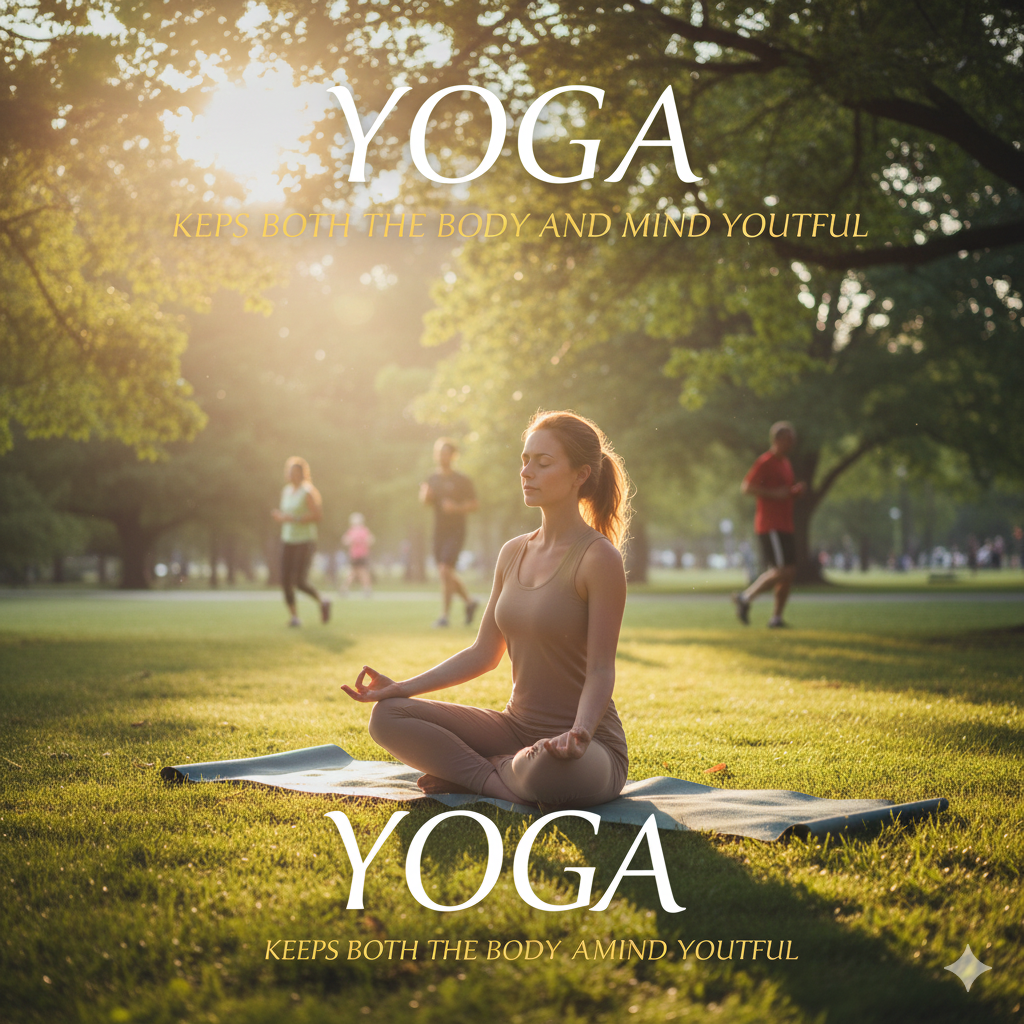
Yoga is a practice that has been known for its many physical and mental benefits for centuries, but recent studies and research continue to shed light on its profound effects, particularly for older adults. A review of 22 significant studies and clinical trials has revealed that yoga can help older individuals stay youthful and mentally sharp for a longer time. The benefits of yoga are undeniable, and as more research comes to light, it becomes increasingly clear that yoga plays a crucial role in promoting overall health, well-being, and vitality, especially as we age.
Recent studies have shown that incorporating yoga into the daily routine of older adults can help them maintain their physical flexibility, mental clarity, and emotional stability. These studies offer valuable insights into how yoga can help seniors combat the effects of aging and improve their quality of life. The review of these studies, conducted by the University of Edinburgh in the UK, examined a wide range of clinical trials and research studies, including those focused on elderly populations. The findings have demonstrated that regular yoga practice has remarkable effects on the mental, psychological, and physical health of older adults.
A Comprehensive Review of 22 Studies
The research conducted by the University of Edinburgh involved an in-depth review of 22 important studies on yoga. These studies ranged from six months to one year and included a diverse group of elderly individuals. The studies incorporated data from people aged 60 years and above, focusing on those who practiced yoga regularly. The participants practiced yoga sessions that lasted between 30 minutes to 90 minutes daily. Interestingly, yoga was also compared to low-impact exercises such as walking and chair exercises.
The review included several clinical trials that examined the specific benefits of yoga for older adults. These trials were carefully analyzed to determine how yoga influenced various aspects of aging, such as flexibility, strength, mental health, and overall wellness. The studies also compared the results of yoga with other forms of exercise to assess its relative benefits. The results were striking—yoga was found to have significantly positive effects on both the physical and mental health of seniors.
The Benefits of Yoga for Physical Health
One of the most significant benefits of yoga for older adults is its impact on physical health. As we age, our bodies naturally lose flexibility, strength, and balance, which can lead to an increased risk of falls and injuries. Regular yoga practice helps to maintain and improve these vital physical attributes, which are crucial for maintaining independence and overall mobility.
The studies reviewed by the University of Edinburgh found that older adults who practiced yoga showed significant improvements in flexibility, muscle strength, and joint mobility. Yoga poses such as the “Downward Dog” and “Warrior Pose” work to stretch and strengthen various muscle groups, improving overall balance and coordination. For seniors who experience joint pain or stiffness, yoga can provide relief by gently stretching and strengthening the muscles surrounding the joints.
Additionally, yoga has been shown to improve circulation, which is important for maintaining cardiovascular health. It helps reduce the risk of heart disease, high blood pressure, and other age-related cardiovascular issues by promoting healthy blood flow and lowering stress levels. Yoga can also help regulate the nervous system, which becomes less efficient with age. By practicing breathing techniques (pranayama) and engaging in mindful movement, yoga helps to regulate the autonomic nervous system, ensuring better overall bodily function.
Yoga’s Impact on Mental and Emotional Health
Beyond the physical benefits, yoga has profound effects on the mental and emotional health of older adults. As we age, mental health issues such as depression, anxiety, and cognitive decline become more prevalent. Yoga has been shown to be an effective tool for improving mental well-being, reducing symptoms of depression, and enhancing cognitive function.
In the studies reviewed by the University of Edinburgh, it was found that regular yoga practice significantly reduced symptoms of depression and anxiety in older adults. Yoga works by calming the mind, reducing stress hormones like cortisol, and improving mood. The combination of physical movement, deep breathing, and meditation creates a sense of relaxation and emotional balance that is crucial for mental health. Many seniors who practiced yoga reported feeling less stressed, more relaxed, and better able to cope with daily challenges.
Furthermore, yoga has been shown to improve sleep quality, which is a major concern for many older adults. Poor sleep can lead to a variety of health problems, including decreased cognitive function, weakened immune system, and mood disorders. By practicing gentle yoga poses before bedtime, older adults can experience better sleep, resulting in improved energy levels and overall well-being.
How Yoga Compares to Other Forms of Exercise
The studies also compared yoga with other forms of low-impact exercises, such as walking, gardening, and chair exercises. While walking and other moderate exercises are beneficial for seniors, the results of the research indicated that yoga offers unique advantages that other forms of exercise cannot provide.
Yoga not only improves physical strength and flexibility but also enhances mental clarity and emotional health. For example, gardening and walking can certainly improve physical fitness, but they do not have the same impact on mental well-being as yoga does. Yoga’s combination of physical movement and mindfulness practices such as meditation and deep breathing helps seniors to manage stress, reduce anxiety, and improve their mood.
Additionally, yoga provides a full-body workout that engages both the mind and body, whereas walking or gardening focuses primarily on physical activity. The mind-body connection fostered through yoga practice is a key component in its ability to reduce the effects of aging and improve overall health.
The Ease and Accessibility of Yoga
One of the most appealing aspects of yoga for older adults is that it can be practiced at home without the need for special equipment or a gym membership. Unlike other forms of exercise that may require a fitness center or certain types of equipment, yoga can be done in the comfort of one’s own home, making it highly accessible for seniors.
Yoga can also be modified to accommodate individuals with different levels of physical ability. For older adults with limited mobility, chair yoga or restorative yoga poses can be a great option. These gentle poses focus on improving flexibility, strength, and balance while minimizing the risk of injury. The accessibility and versatility of yoga make it an ideal exercise for seniors who want to maintain their physical and mental health.
Yoga as a Lifelong Practice
Experts have pointed out that one of the most significant advantages of yoga is that it can be practiced at any age and continues to offer benefits throughout one’s lifetime. For older adults, yoga is not just a temporary solution—it is a lifelong practice that promotes well-being and vitality well into old age. The holistic approach of yoga addresses not only physical health but also mental and emotional well-being, making it an essential practice for aging gracefully.
Conclusion: Yoga as a Gift for Older Adults
The research confirms that yoga is a powerful tool for promoting the health and well-being of older adults. It helps to maintain physical fitness, improve flexibility and strength, and reduce the risk of falls and injuries. Additionally, yoga provides significant benefits for mental and emotional health, reducing symptoms of depression and anxiety, improving cognitive function, and enhancing sleep quality.
Given its many benefits, yoga can be considered a gift for older individuals, offering a natural and accessible way to stay youthful, healthy, and vibrant. With its emphasis on mindfulness, relaxation, and gentle movement, yoga provides a holistic solution to the challenges that come with aging. By incorporating yoga into their daily routine, older adults can experience improved health, greater peace of mind, and a higher quality of life.