


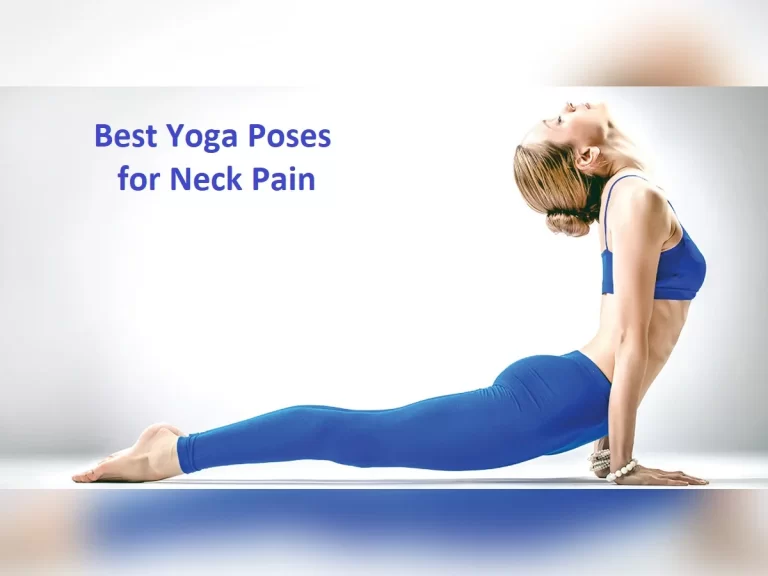
Neck pain has become a common problem in modern life due to long hours of screen use and poor posture, stress, and lack of movement. Whether you work at a desk, use a mobile phone frequently, or experience stress-related tension, your neck often carries the burden. Practicing yoga poses for neck pain regularly can provide fast relief while improving long-term neck health. These poses help ease discomfort, increase flexibility, and strengthen supporting muscles.
1:Why Neck Pain Is So Common Today and How to Prevent It
Neck pain often develops gradually. Poor posture, especially while using laptops and smartphones, places constant strain on neck muscles. When the head leans forward for long periods, the neck supports extra weight, leading to stiffness and soreness. Stress also plays a major role. Emotional tension causes muscles in the neck and shoulders to tighten unconsciously, reducing blood flow and increasing discomfort.Lack of movement worsens the issue. Sitting for long hours without stretching shortens muscles and weakens support structures. Over time, this imbalance leads to chronic pain and reduced mobility.

2:How Yoga Helps Relieve Neck Pain
Yoga works by combining gentle stretching, controlled breathing, and mindful movement. Unlike aggressive exercises, yoga releases tension without forcing the muscles. It improves circulation, increases flexibility, and strengthens supporting muscles around the neck and shoulders.A daily routine focuses on slow movements that relax tight muscles while activating weaker ones. Regular practice also improves posture awareness, which plays a key role in preventing neck pain from returning. This is why many people rely on Yoga Poses for Neck Pain as a natural and sustainable solution.
3:Natural Relief Without Medicine
Neck pain often develops due to poor posture, stress, and long hours of screen use. Instead of relying on medication, gentle yoga offers a natural and effective solution. Yoga poses stretch tight muscles, improve blood circulation, and reduce stiffness in the neck and shoulders. Regular practice helps release built-up tension while strengthening supportive muscles. Controlled breathing during yoga also relaxes the nervous system, which eases stress-related discomfort. With consistent practice, yoga improves flexibility, posture, and overall neck mobility. These natural movements support long-term relief and help prevent neck pain from returning without causing side effects.
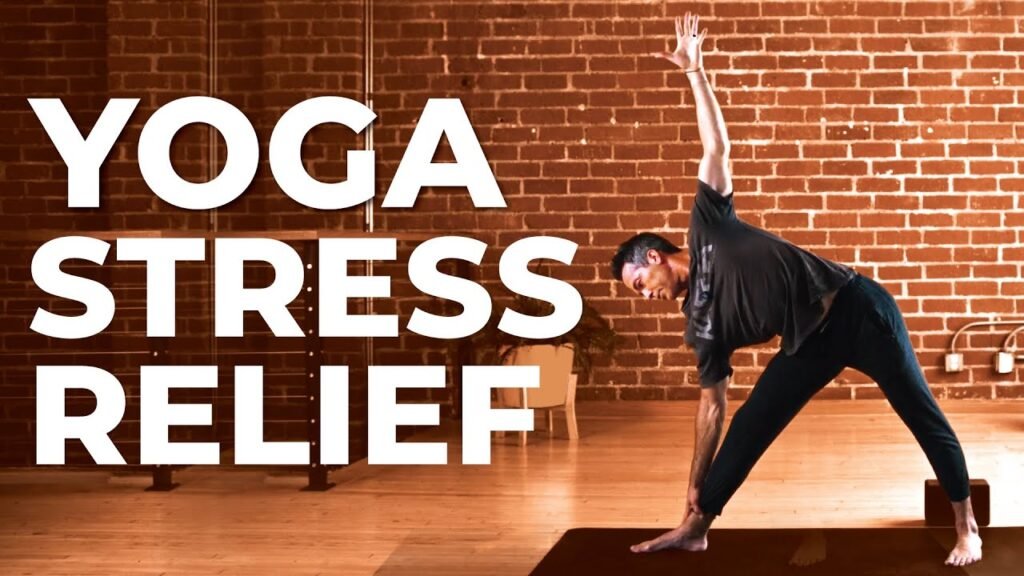
4:Easy Daily Stretches at Home
Neck pain often occurs due to poor posture, long sitting hours, and lack of movement. Practicing simple yoga stretches at home helps relieve stiffness and restore flexibility. Gentle poses stretch tight neck and shoulder muscles while improving blood circulation. Daily practice reduces tension caused by stress and screen time. Yoga also improves posture awareness, which prevents recurring discomfort. These easy stretches require no equipment and suit beginners. With regular practice, neck mobility improves, muscles relax, and overall comfort increases. Yoga offers a safe, natural way to manage neck pain and support long-term neck health.
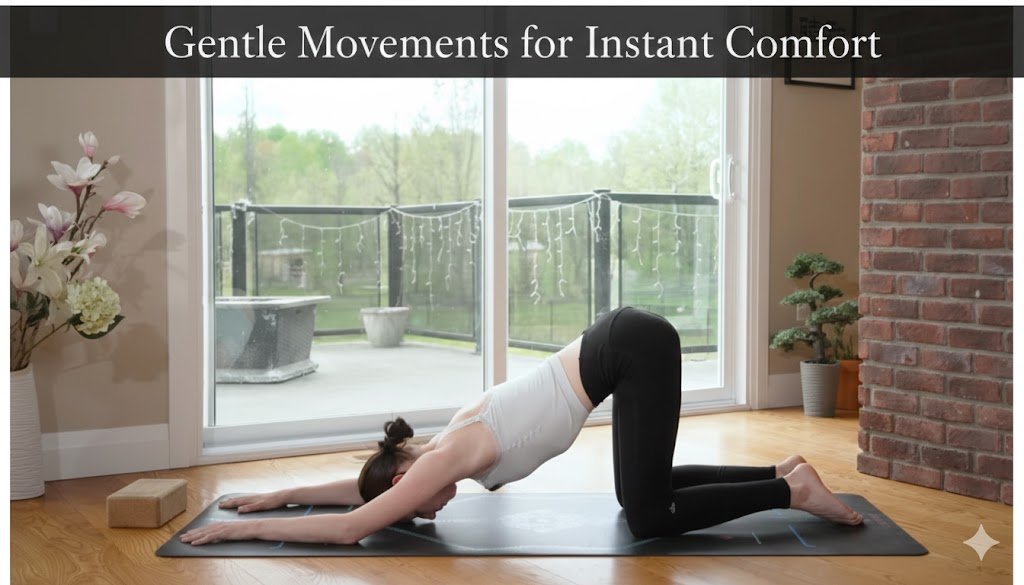
5:Gentle Movements for Instant Comfort
Neck pain often results from muscle tension, poor posture, or stress. Gentle yoga movements provide instant comfort by relaxing tight muscles and improving circulation. Slow stretches release stiffness in the neck and shoulders without straining the body. Controlled breathing during yoga calms the nervous system, which reduces pain caused by stress. These gentle movements suit all fitness levels and work well for beginners. Practicing them regularly helps improve flexibility, posture, and overall neck mobility. Yoga offers a natural and effective way to reduce discomfort and support long term neck health.
6:Improve Posture and Reduce Stiffness
Poor posture often leads to neck stiffness and ongoing discomfort. Yoga helps correct posture by strengthening the muscles that support the neck and upper spine. Gentle poses encourage proper alignment while stretching tight areas caused by slouching. Regular practice increases body awareness, making it easier to maintain a straight posture during daily activities. Improved posture reduces pressure on neck muscles and prevents stiffness from returning. Yoga also improves blood flow, which keeps muscles flexible and relaxed. With consistent practice, neck movement feels smoother, posture improves naturally, and stiffness gradually decreases.
7:Simple Exercises For Beginners
Beginners often experience neck pain due to weak muscles and limited flexibility. Simple yoga exercises provide a safe and effective starting point. These poses use slow movements that gently stretch and relax the neck without strain. Beginners can practice seated stretches, gentle twists, and basic relaxation poses with ease. Yoga builds strength gradually while improving balance and posture. Breathing techniques help release tension and calm the mind. With regular practice, beginners gain better neck mobility, reduced stiffness, and improved comfort. Yoga creates a strong foundation for long-term neck health without overwhelming the body.
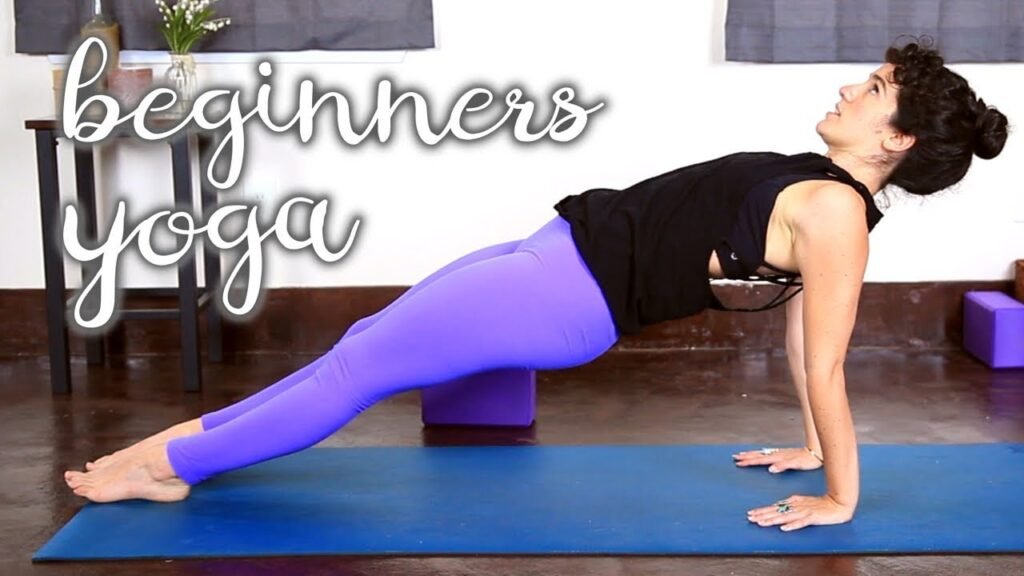
8:Best Stretches for Long Sitting Hours
Long sitting hours place constant stress on the neck and shoulders. Yoga stretches counteract this strain by lengthening tight muscles and restoring movement. Gentle neck tilts, shoulder rolls, and upper-back stretches improve circulation after prolonged sitting. These stretches reduce stiffness caused by poor posture and limited movement. Practicing yoga after work or during breaks helps reset the body and prevent pain buildup. Consistent stretching keeps muscles flexible and reduces discomfort linked to desk work. Yoga offers a practical solution for people who sit for extended periods each day.
9:Relax Tight Muscles and Release Stress
Stress often causes neck muscles to tighten unconsciously, leading to pain and stiffness. Yoga relaxes these tight muscles through slow stretching and mindful breathing. Gentle poses encourage muscles to release tension while calming the nervous system. Deep breathing improves oxygen flow, helping muscles relax more effectively. Yoga also reduces mental stress, which plays a major role in muscle tightness. With regular practice, the neck feels lighter, more relaxed, and free from constant tension. Yoga supports both physical and mental relaxation, making it an effective approach for stress-related neck pain.

10:Safe and Effective Home Practice
Practicing yoga poses for neck pain at home offers a safe and convenient way to manage discomfort. Gentle poses require minimal space and no equipment, making them accessible for everyone. Slow movements reduce the risk of strain while improving flexibility and comfort. Home practice allows individuals to move at their own pace and listen to their body’s needs. Regular sessions help release stiffness and strengthen supporting muscles. Doing yoga poses consistently encourages long-term relief. With mindful practice, these poses become a reliable and effective solution for managing neck pain safely.
11:Strengthen Neck and Shoulder Muscles
Weak neck and shoulder muscles contribute to recurring pain and poor posture. Yoga strengthens these muscles through controlled movements and gentle holds. Strength-building poses improve stability and reduce strain on the neck. Balanced muscle strength supports proper alignment and prevents excessive tension. Yoga also enhances coordination between the neck, shoulders, and upper back. With consistent practice, muscles become stronger and more resilient. This improved strength helps reduce pain, supports daily activities, and lowers the risk of future neck problems. Yoga provides a balanced approach to strength and flexibility.
12:Daily Routine For Long Term Relief
A daily yoga routine supports long-term neck pain relief by maintaining flexibility and strength. Regular practice prevents stiffness from building up and improves muscle balance. Gentle poses keep the neck mobile while reducing tension caused by daily activities. A routine also improves posture awareness, which plays a major role in preventing pain. Over time, consistent yoga practice reduces discomfort and increases overall neck comfort. Daily movement supports healing and prevents recurrence. Yoga works best when practiced regularly, making it an effective long-term solution for neck pain management.
13:Reduce Tension Caused by Screen Time
Excessive screen time often leads to forward head posture and neck tension. Yoga helps counteract these effects through targeted stretches and posture correction. Gentle movements relax overworked muscles and improve alignment. Yoga encourages regular breaks from screens, reducing strain on the neck. Breathing exercises calm the body and reduce stress linked to digital use. With consistent practice, neck tension decreases and posture improves. Yoga offers a practical way to manage the physical effects of screen time while promoting healthier daily habits.
14:Slow and Gentle Stretches For Recovery
Recovery from neck pain requires slow and gentle movements that support healing. Yoga offers controlled stretches that reduce stiffness without overloading muscles. These gentle poses improve circulation and encourage relaxation. Slow movements allow muscles to release tension naturally and safely. Yoga also supports recovery by reducing stress and improving sleep quality. With regular practice, neck mobility gradually improves and discomfort decreases. Gentle yoga provides a supportive recovery method that respects the body’s limits while promoting steady progress.
15:Improve Flexibility and Mobility
Limited flexibility often causes neck stiffness and discomfort. Yoga improves flexibility by stretching tight muscles and increasing joint mobility. Gentle neck movements expand the range of motion without strain. Improved mobility allows the neck to move freely during daily activities. Yoga also enhances coordination between the neck and upper spine. With consistent practice, flexibility increases and movement feels smoother. Improved mobility reduces the risk of injury and supports long-term neck comfort. Yoga helps restore natural movement patterns and overall neck health.
16:Calm Your Neck and Upper Back
Tension in the upper back often affects the neck, causing discomfort. Yoga calms both areas by releasing tight muscles and improving circulation. Gentle stretches relax the shoulders and upper spine, reducing pressure on the neck. Controlled breathing enhances relaxation and reduces stress-related tightness. Yoga also promotes body awareness, helping prevent tension from returning. With regular practice, the neck and upper back feel lighter and more relaxed. Yoga provides a calming approach that supports physical comfort and mental relaxation.
17:Prevent Pain and Stiffness Naturally
Preventing neck pain requires regular movement and mindful posture. Yoga poses for neck pain support prevention by keeping muscles flexible and strong. Gentle poses reduce stiffness before it becomes painful. Regular practice improves posture and muscle balance, lowering strain on the neck. Yoga also reduces stress, which often contributes to muscle tension. By practicing consistently, individuals can prevent pain naturally without relying on medication. Yoga encourages long-term neck health through movement, awareness, and relaxation.
The Benefits of Practicing Yoga Daily for Neck Health
Practicing yoga daily offers both immediate and long-term benefits:
- Reduces muscle stiffness and tightness
- Improves blood circulation to the neck area
- Enhances flexibility and range of motion
- Strengthens neck, shoulder, and upper back muscles
- Promotes relaxation and stress reduction
- Improves posture and spinal alignment
Consistency matters more than intensity. Even 15–20 minutes a day can bring noticeable relief.
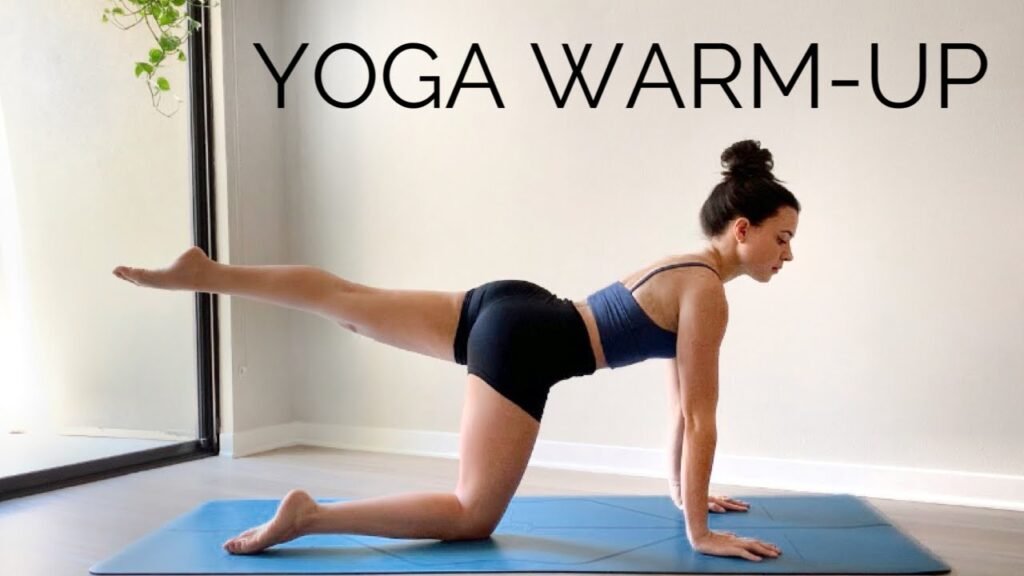
Preparing Your Neck and Shoulders with Simple Warm Ups
Before starting any yoga routine, warming up is essential. Gentle movements prepare the muscles and reduce the risk of strain.
Neck Rolls
Slowly rotate your head in a circular motion. Keep the movement controlled and gentle. Perform 3–5 rotations in each direction.
Shoulder Rolls
Lift your shoulders toward your ears and roll them backward and forward. This releases tension from the upper back and shoulders.
These warm-up movements help your body transition smoothly into deeper stretches.
Daily Yoga Poses for Fast Neck Pain Relief
The following poses form an effective daily routine. Practice them slowly and focus on your breathing.
1. Cat–Cow Pose (Marjaryasana–Bitilasana)
This pose gently mobilizes the spine and neck.
- Start on all fours
- Inhale, lift your head, and arch your back
- Exhale, tuck your chin, and round your spine
This movement improves spinal flexibility and releases neck tension.
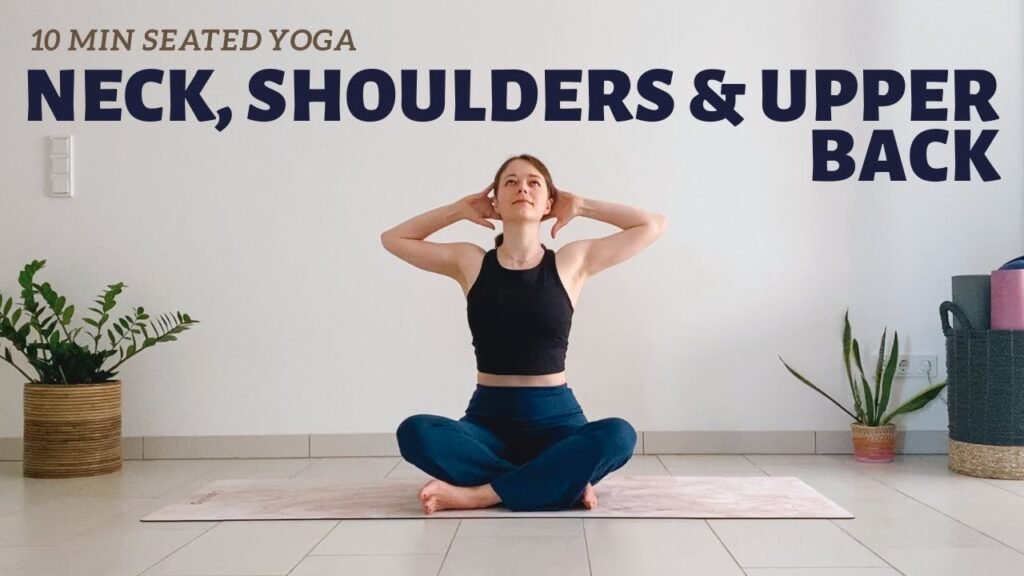
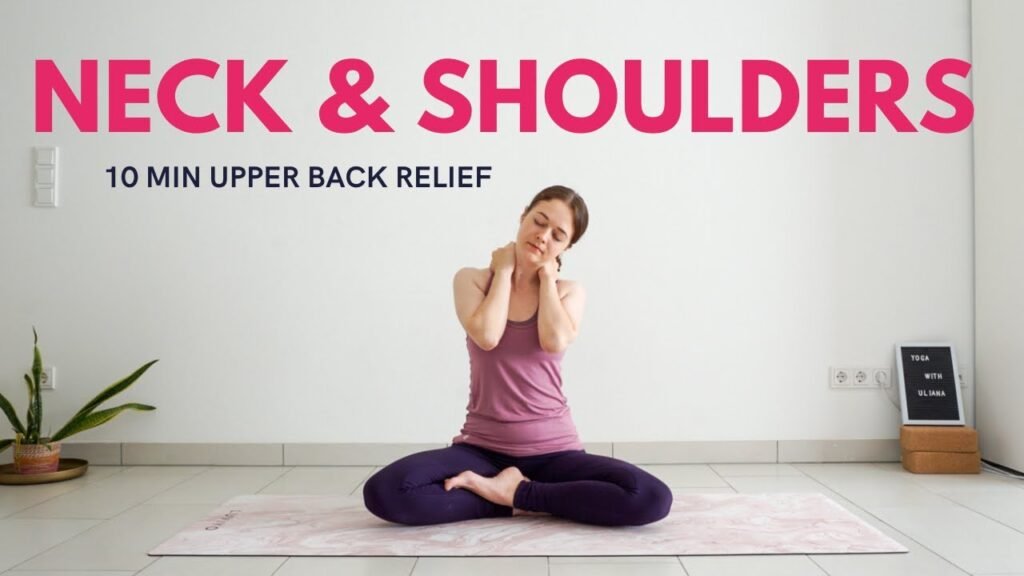
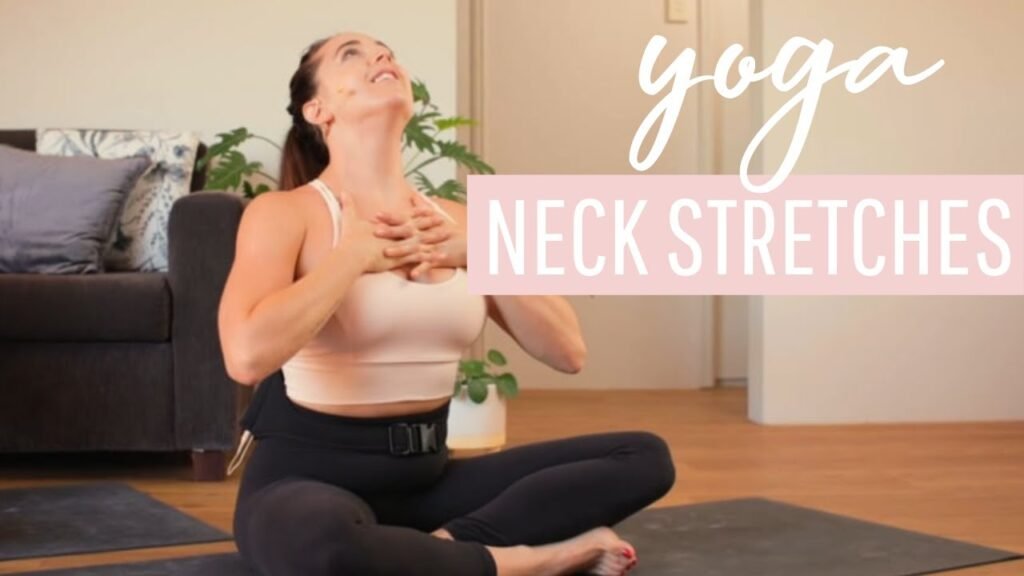
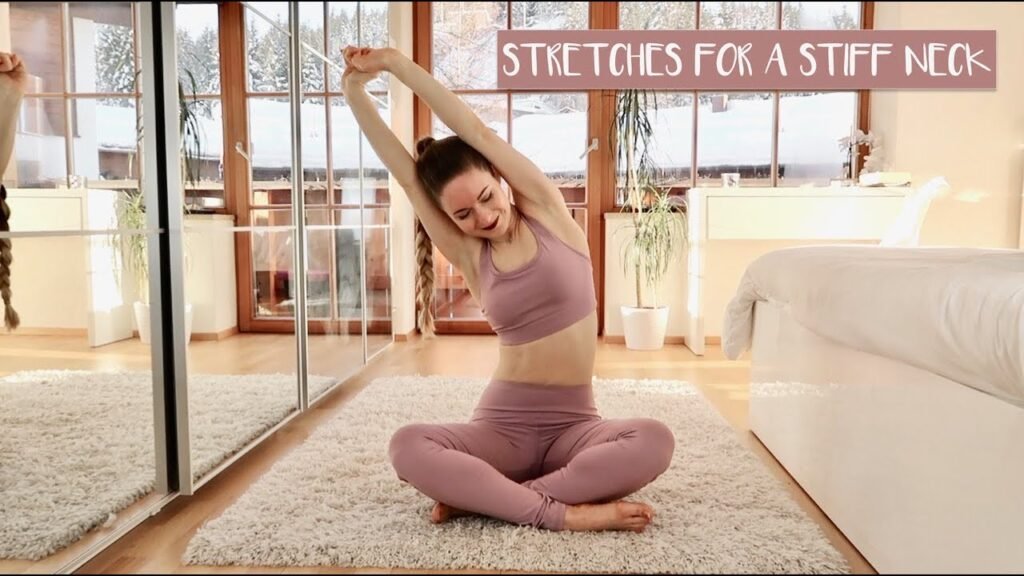
2. Seated Neck Stretch
This simple pose targets side neck muscles.
- Sit upright with a straight spine
- Gently tilt your head toward one shoulder
- Hold for 20–30 seconds
- Switch sides
This stretch relieves stiffness caused by prolonged sitting or screen use.
3. Thread the Needle Pose
This pose releases tension from the upper back and shoulders.
- Begin on all fours
- Slide one arm under your chest
- Rest your shoulder and head gently on the mat
It reduces tightness that often contributes to neck pain.
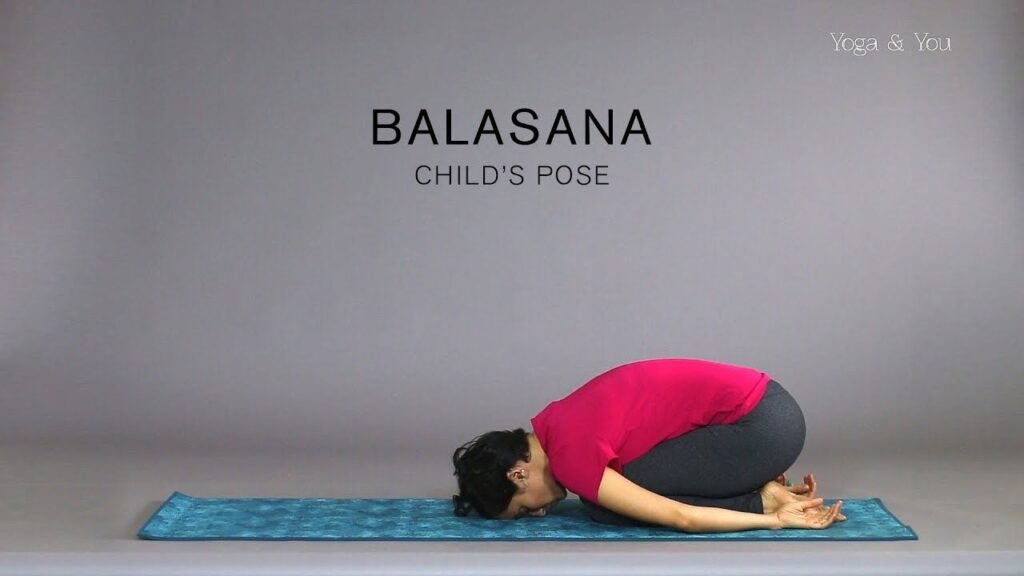
4. Child’s Pose (Balasana)
Child’s Pose relaxes the spine and neck while calming the nervous system.
- Kneel and sit back on your heels
- Fold forward and rest your forehead on the mat
- Extend your arms forward or alongside your body
This pose helps release accumulated tension and stress.
5. Eagle Arms (Garudasana Arms)
This pose stretches the shoulders and upper back.
- Extend your arms forward
- Cross one arm over the other
- Lift elbows slightly and hold
It improves mobility and reduces tightness around the neck.
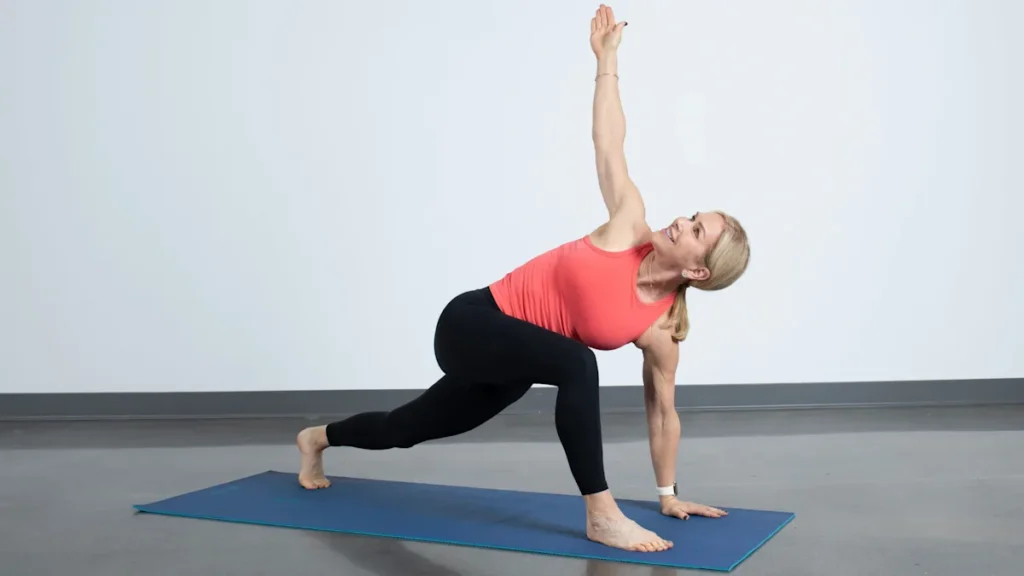
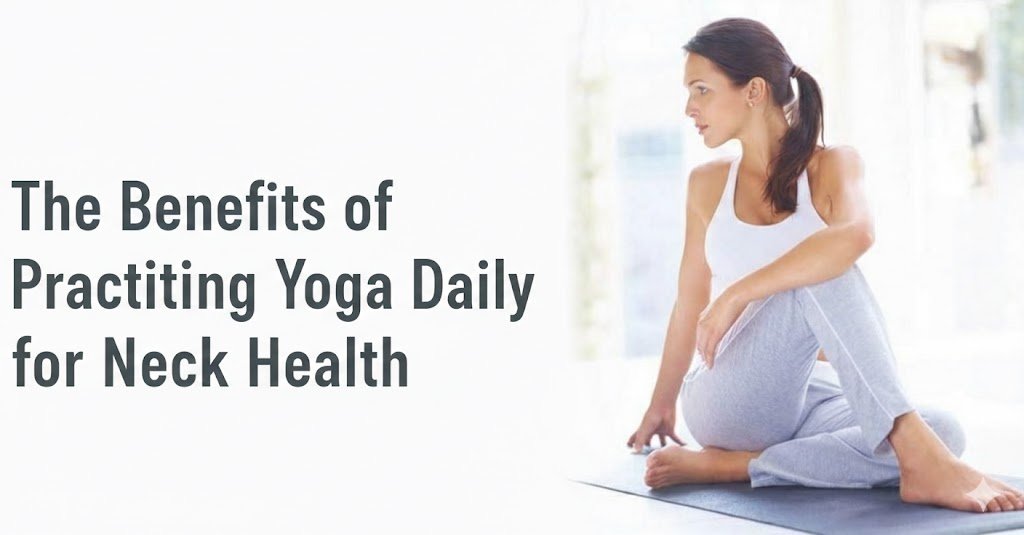
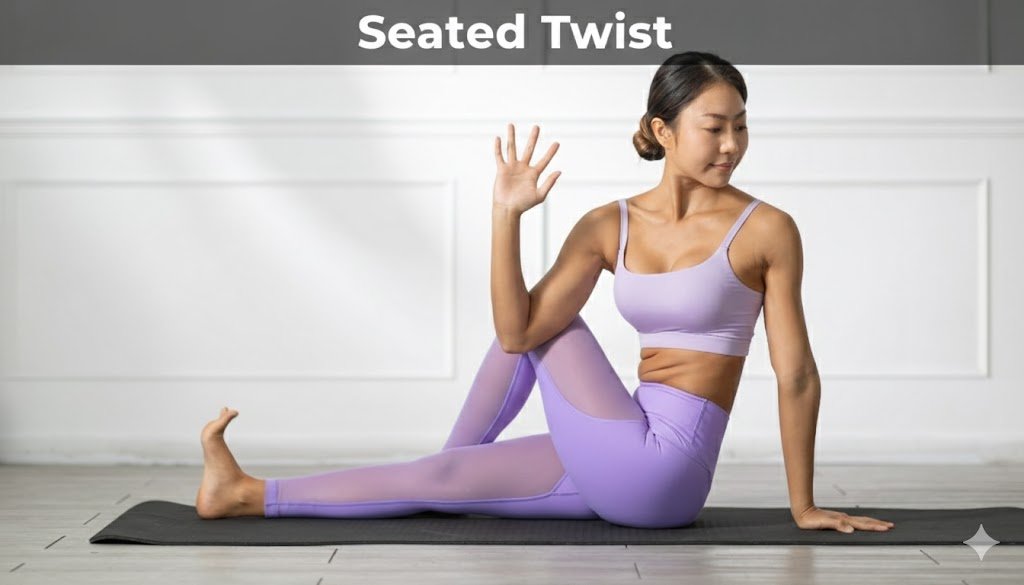
6. Seated Twist
Gentle twists improve spinal flexibility and posture.
- Sit upright
Rotate your torso slowly to one side - Keep your neck relaxed
This pose encourages balanced muscle engagement.
How Breathing Exercises Help Relieve Neck Pain
Breathing plays a crucial role in releasing tension. Shallow breathing often increases muscle tightness while deep breathing promotes relaxation.
Diaphragmatic Breathing
Breathe deeply into your abdomen rather than your chest. This calms the nervous system and helps muscles relax naturally.Combining controlled breathing with Yoga Poses for Neck Pain enhances overall effectiveness and speeds up relief.
Posture Awareness During Daily Activities
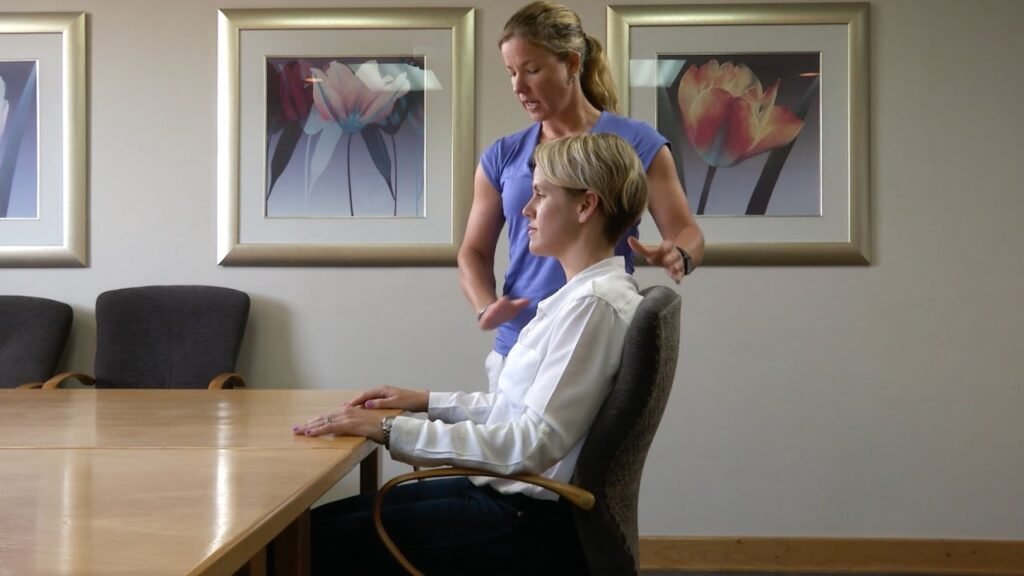
Yoga practice becomes more effective when paired with posture awareness throughout the day.
- Keep your screen at eye level
- Sit with your shoulders relaxed and spine straight
- Avoid cradling the phone between your neck and shoulder
- Take short movement breaks every hour
Improving posture prevents repeated strain on neck muscles.
How Often to Practice Neck Stretches for Best Results
For fast relief, practice this routine daily. Consistency helps muscles adapt and heal. If pain is severe, start gently and reduce hold times. As flexibility improves, gradually increase duration.Most people notice reduced stiffness within a week, while long-term improvement develops over several weeks.
Neck Stretching Mistakes You Should Avoid
- Moving too fast or forcing stretches
- Holding tension in the jaw or shoulders
- Skipping warm-up movements
- Practicing irregularly
- Ignoring pain signals
Yoga should feel relieving, not painful. Gentle effort delivers the best results.
Who Can Benefit From This Routine?
This daily routine suits:
- Office workers
- Students
- People with poor posture
- Individuals experiencing stress-related neck tension
- Beginners seeking natural pain relief
You Should Know: The gentle nature of Yoga Poses for Neck Pain makes them safe for most people when practiced mindfully.
Long-Term Benefits of Daily Practice
With regular practice, you may experience:
- Improved neck mobility
- Better posture and alignment
- Reduced stress and mental fatigue
- Lower risk of recurring neck pain
- Enhanced overall body awareness
Yoga supports not just physical relief but overall well-being.

Knowing When to Consult a Physician for Neck Issues
If neck pain results from injury, numbness, tingling, or severe discomfort, consult a healthcare professional before starting yoga. Yoga complements medical care but does not replace professional diagnosis when needed.
Wrapping up
A gentle daily yoga routine offers a natural, effective way to manage neck pain. By combining mindful movement, proper breathing, and posture awareness, you can reduce stiffness and improve comfort quickly. Consistency, patience, and gentle practice remain key to lasting results. Incorporating Yoga Poses for Neck Pain into your daily life supports both immediate relief and long-term neck health.