
How to Fix Diastasis Recti Years Later
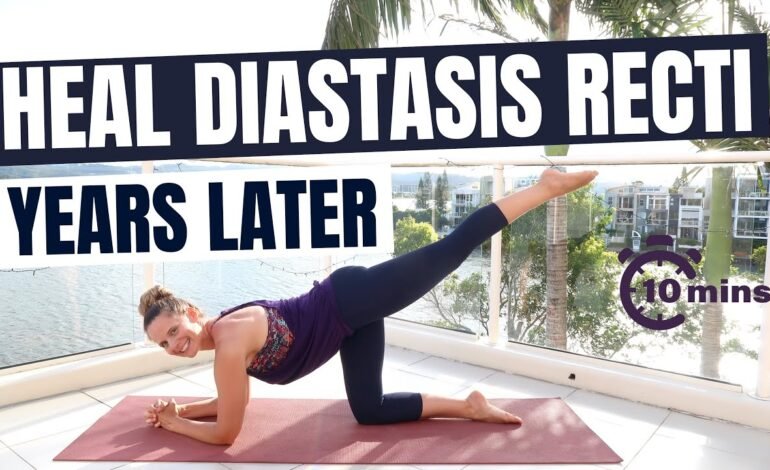

Diastasis recti can affect men and women years after pregnancy or abdominal changes. Understanding how to fix diastasis recti years later is essential for restoring core strength or improving posture and preventing long term discomfort. This article finds exercises and lifestyle changes and professional interventions to address this condition safely and effectively.
What Is Diastasis Recti and How It Affects Your Core
Diastasis recti occurs when the abdominal muscles and particularly the rectus abdominis separate along the midline. This separation often results from pregnancy and rapid weight gain and aging or improper abdominal strain. While commonly associated with postpartum women, it can affect anyone who experiences significant abdominal stretching or weakening over time.
The main signs include a visible bulge or gap along the stomach’s midline or poor core strength or lower back pain and difficulty with balance. For individuals noticing these symptoms years after the initial cause and understanding safe strategies to restore the abdominal wall is essential.
The Benefits of Correcting Diastasis Recti Even Years After Pregnancy
Even years after the initial separation and diastasis, recti can continue to impact health. Weak core muscles can contribute to lower back strain or poor posture and pelvic floor dysfunction and reduced functional strength. Additionally unresolved abdominal separation can make lifting, exercising and daily activities more challenging.
Addressing this condition later in life requires a combination of targeted exercises and lifestyle modifications and in some cases and medical interventions. Unlike acute postpartum recovery, the body may require more gradual and consistent approaches to rebuild strength and support core stability.
Initial Assessment and Professional Guidance
Before starting any exercise program, it is important to assess the severity of diastasis recti. This can be done by a physical therapist and pelvic floor specialist or certified fitness professional who understands core rehabilitation. They typically measure the width of the gap between the abdominal muscles and evaluate muscle tone, posture, and breathing patterns.
A proper assessment ensures that individuals avoid exercises that could worsen the separation. Many traditional core exercises, like crunches or sit-ups, may increase intra-abdominal pressure and exacerbate the condition if performed incorrectly.
Core Principles for Repairing Diastasis Recti Years Later
1. Focus on Deep Core Activation
One of the most important strategies is activating the transversus abdominis, the deepest abdominal muscle. This muscle acts like a corset, supporting the spine and holding the abdominal wall together. Techniques often include controlled breathing, gentle abdominal contractions, and mindful engagement during movements.
2. Avoid High-Risk Movements
High-impact or traditional core exercises may worsen diastasis recti. Activities such as crunches, heavy lifting, or twisting movements should be modified. Instead, the focus should be on low-pressure, controlled exercises that strengthen without straining the midline.
3. Gradual Strengthening
Rebuilding core strength years later is a gradual process. It requires consistency and patience and proper progression. Exercises should begin with gentle isometric movements and progress toward functional movements like squats and planks or lifting objects while maintaining proper core engagement.
Exercise Strategies to Restore Core Strength Years Later
Here are several exercises that are considered safe and effective for individuals addressing diastasis recti after several years:
1. Transverse Abdominal Contractions
- Lie on your back with knees bent.
- Exhale slowly while drawing your navel toward your spine.
- Hold for 5–10 seconds and release.
- Repeat 10–15 times daily.
2. Pelvic Tilts
- Lie on your back with knees bent and feet flat.
- Engage your core, tilt the pelvis slightly upward, and flatten the lower back.
- Hold for a few seconds and release.
- Repeat for 10–15 reps.
3. Heel Slides
- While lying down and engaging the core.
- Slowly slide one heel along the floor and keep the core tight.
- Return to the starting position and switch sides.
- Repeat 10 times per leg.
4. Modified Planks
- Begin on elbows and knees or forearms and toes.
- Engage deep core muscles, keeping the spine neutral.
- Hold for 10–30 seconds and gradually increase time as strength improves.
5. Bird Dog
- Begin on hands and knees.
- Extend one arm forward and opposite leg back while maintaining a tight core.
- Hold for a few seconds, then switch sides.
- Repeat 8–10 times per side.
You Should Know:Consistency with these exercises and performed with proper form can gradually reduce the gap and improve posture and enhance overall functional strength.
Everyday Habits That Aid Diastasis Recti Recovery
Maintain Proper Posture
Poor posture can increase abdominal pressure and slow recovery. Focus on standing tall, engaging the core and avoiding slouched positions.
Breathing Techniques
Diaphragmatic breathing helps support the pelvic floor and abdominal wall. This technique complements core exercises and reduces stress on weakened muscles.
Nutrition and Hydration
A balanced diet rich in protein and vitamins and minerals supports tissue repair. Adequate hydration ensures flexibility in connective tissues and overall recovery.
Avoid Excessive Strain
Heavy lifting, sudden twisting, or intense abdominal workouts should be avoided until the core regains stability. Gradual progression ensures long term results without setbacks.
Knowing When to Consult a Specialist
For individuals with severe separation or persistent functional issues, consulting a medical professional or surgeon may be necessary. Some cases require surgical intervention such as abdominoplasty with muscle repair and especially when the gap significantly impacts posture, core strength or daily function.
Physical therapy remains crucial post-surgery to ensure proper rehabilitation, prevent recurrence, and restore optimal core engagement.
Functional Exercises for Daily Strength
As strength improves and functional exercises that mimic real life movements should be included. These exercises train the core while engaging other muscle groups and improving overall stability and reducing the risk of future injury. Examples include:
- Squats with core engagement
- Gentle lunges while stabilizing the midline
- Resistance band work focusing on posture and core support
What You Should Know:Functional fitness ensures that core muscles not only appear stronger but are also effectively supporting daily activities.
Monitoring Progress and Staying Consistent
Measuring improvements in diastasis recti can involve:
- Visual checks for reduced midline bulging
- Measuring inter-recruit distance periodically
- Tracking improvements in posture or balance and abdominal strength
Key Information You Should Know:Consistency is key. Even after years and gradual improvement is possible with a dedicated and mindful approach.
Holistic Health Tips During Recovery
Core rehabilitation for diastasis recti benefits from a holistic approach:
- Regular physical activity without overstraining
- Adequate sleep for tissue repair
- Stress management to prevent muscle tension
- Balanced nutrition for connective tissue support
A combination of these factors accelerates results and ensures long-term wellness beyond the abdominal region.
Tips for Long Term Maintenance
- Continue deep core exercises even after the gap reduce
- Integrate low-impact strength training
- Avoid sudden high-intensity abdominal workouts without proper core activation
- Use supportive devices if recommended by a physical therapist
Maintaining these habits ensures that improvements remain stable and reduces the risk of recurrence.
Trusted Expert Guidance
Seeking guidance from a physical therapist or certified trainer specialized in postpartum or core rehabilitation can make a significant difference. They can tailor exercises to your specific gap, monitor technique, and ensure safe progression.
Some professionals also incorporate advanced techniques like biofeedback or core stabilization devices to accelerate recovery. The key is structured guidance combined with patient compliance over time.
Key Summary
How to fix diastasis recti years later requires a structured, patient, and multifaceted approach. Targeted exercises focusing on deep core activation, functional fitness, lifestyle modifications, and professional guidance are essential for safe recovery. Even years after abdominal separation, individuals can improve posture, core strength, and abdominal integrity with consistent effort. In some cases, medical interventions may be necessary, but most people benefit significantly from disciplined exercise and mindful living. Recovery is gradual, but it leads to improved physical function, reduced discomfort, and enhanced overall wellness.
Expert Answers to Your Questions
1. Can diastasis recti be fixed years after pregnancy?
Yes. With targeted exercises and consistent rehabilitation and diastasis recti can improve even years later. Professional guidance accelerates safe recovery.
2. Are crunches safe for diastasis recti?
Traditional crunches can worsen the condition. Core strengthening exercises that focus on deep muscle activation are safer.
3. How long does it take to see results?
Results vary depending on severity or consistency and adherence to exercise routines. Visible improvements often appear after several weeks to months.
4. Is surgery always necessary?
No. Surgery is usually considered only for severe cases where the separation affects core function or quality of life. Most cases improve with exercise and lifestyle changes.
5. Can men develop diastasis recti and benefit from these exercises?
Yes. men can experience abdominal separation due to weight gain or surgery or aging. They benefit from similar core rehabilitation strategies.