Honey Beans: The Flavor Difference You Can Actually Taste

Some beans have a mild earthy taste while others develop a sweeter flavor after cooking. Honey beans are known for this naturally sweet profile which makes them different from many common bean varieties.
Despite their name these beans do not contain honey. The name mainly refers to their distinctive sweetness especially when the beans are cooked until soft and tender.
What Are Honey Beans?
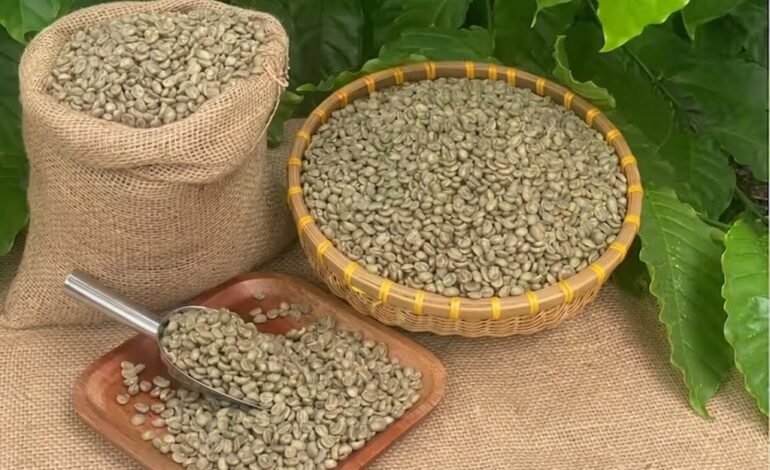
Honey beans are a variety commonly associated with Oloyin or Ewa Oloyin, a bean type widely used in Nigerian and West African cooking. Their light color and naturally sweet taste make them easy to recognize.
The beans are usually cooked into soft and creamy meals. Their flavor also allows them to work well with both simple ingredients and strongly seasoned sauces.
Where They Are Commonly Found
These beans are strongly connected with West African agriculture and cuisine, particularly Nigeria. Farmers grow different bean varieties across the region and local conditions can affect their size, color and nutritional composition.
The availability of these beans has also increased in international food markets. They may be sold dried and packaged for longer storage.
Why They Taste Naturally Sweet
The natural sweetness comes from the bean’s own composition rather than added sugar or honey. Cooking softens the beans and makes their flavor more noticeable.
Their mild taste also makes them useful in recipes where the beans need to absorb spices, vegetables, sauces or other ingredients without becoming overpowering.
A Closer Look at Their Texture
Properly cooked beans usually develop a soft and creamy texture. This quality makes them suitable for porridges, mashed dishes, steamed preparations and thick stews.
Cooking time can vary depending on the age and storage conditions of the dried beans. Older beans may take longer to soften than freshly harvested ones.
Their Nutritional Profile
The honey beans nutrition profile includes carbohydrates, plant protein, dietary fiber and several minerals. The exact nutritional values can vary depending on the variety and whether the beans are measured before or after cooking.
Research comparing Nigerian bean varieties has found differences in protein, fiber, minerals and other nutritional components among samples. This shows why nutrition data should not be assumed to be identical for every bean variety.
Protein From a Plant Source
The honey beans protein content makes them useful in meals that rely on plant foods for protein. Beans can complement grains, vegetables, seeds and other protein-containing foods.
Protein supports normal muscle maintenance and many other functions in the body. However a balanced diet should include a variety of protein sources rather than relying on one food alone.
Fiber in These Beans
Beans are naturally rich in dietary fiber which supports normal digestion and can help you feel full after meals.
Fiber also adds bulk to the diet and can support regular bowel movements. People who are not used to eating many high-fiber foods may want to increase their intake gradually.
Potential Health Value
The honey beans health benefits mainly come from the nutrients found naturally in legumes. Their combination of protein and fiber can make meals more filling and nutritionally balanced.
They also provide various micronutrients. However the exact amounts depend on the bean variety, soil conditions, processing and cooking method.
Different Bean Varieties Can Have Different Profiles
Not all beans have the same appearance, texture, flavor or nutritional composition. Research on Nigerian legumes has identified measurable differences between varieties.
This is why honey bean varieties may not have exactly the same characteristics. Size, growing conditions, maturity and storage can all influence the final product.
How to Prepare Them
Start by sorting the dried beans and removing stones, damaged beans or other unwanted material. Rinse them thoroughly before cooking.
Some people soak beans before cooking to soften them and reduce cooking time. After preparation, cook them thoroughly until they become completely tender.
Popular Ways to Cook Them
Their soft texture works well in traditional West African meals. They can be combined with onions, peppers, tomatoes, vegetables, spices and different sources of healthy fats.
Common honey beans dishes include bean porridge, Ewa Oloyin and steamed bean preparations such as Moi Moi. The naturally sweet taste can add a pleasant contrast to spicy ingredients.
Their Unique Features
There are many types of beans and each one can have a different flavor and texture. Kidney beans, black beans, chickpeas, black-eyed peas and other legumes are not identical in their cooking behavior or nutritional profile.
These beans stand out mainly because of their mild sweetness and creamy texture. This makes them a useful choice when you want a softer and less earthy bean flavor.
Does Cooking Change Their Flavor?
Yes. Cooking changes the texture and can make the natural sweetness easier to notice. Long cooking also allows the beans to absorb flavors from spices, sauces and vegetables.
However, excessive cooking can make them overly soft. Finding the right cooking time helps retain a pleasant texture while allowing the beans to become tender enough to eat safely.
How to Store Dried Beans
Keep dried beans in a cool, dry and well-sealed place. Moisture can affect their quality and increase the risk of mold or spoilage.
An airtight container can also help protect the beans from insects and excessive humidity. Once cooked, beans should be refrigerated and used within a reasonable period.
What to Look For When Buying
Choose dried beans that appear clean, dry and free from insects. A large amount of broken beans, stones, discoloration or moisture can indicate poor handling or storage.
If you buy packaged beans check the product label and storage instructions. Clear information about the variety and origin can also help you choose a suitable product.
Can They Fit Into a Healthy Diet?
Yes. Beans can be part of a balanced eating pattern because they provide fiber, plant protein, carbohydrates and minerals.
The rest of the meal still matters. Pairing them with vegetables, whole grains or other nutrient-rich foods can create a more balanced plate.
Things to Know Before Eating Them
Some people experience gas, bloating or digestive discomfort after eating beans. This happens partly because certain carbohydrates and fibers are fermented by gut bacteria.
Proper soaking, rinsing and thorough cooking may improve tolerance for some people. If beans repeatedly cause severe digestive symptoms, discussing the issue with a healthcare professional is sensible.
Their Flavor in Everyday Cooking
The mild sweetness of these beans gives cooks more flexibility. They can work with spicy sauces, savory vegetables, herbs and seasonings without creating an overpowering taste.
Their soft texture and gentle flavor also make them suitable for mashed meals and smooth bean-based preparations.
Research and Nutritional Variation
Studies of Nigerian bean varieties have shown that nutritional composition can differ between samples. Researchers have examined factors such as protein, fiber, minerals and other nutritional components.
These differences can come from genetics, soil, climate, maturity and agricultural practices. This is one reason it is better to view nutrition information as an estimate rather than an exact value for every batch.
Adding Them to Everyday Meals
You can cook the beans until tender and combine them with sautéed onions, tomatoes, peppers and spices. This creates a filling meal without needing complicated ingredients.
They can also be served with rice, vegetables, plantains or whole grains. Their naturally sweet flavor works well with both mild and spicy combinations.
Sum up
Honey beans are known for their naturally sweet taste, soft texture and important role in West African cuisine. They are commonly associated with Oloyin beans and are used in a range of traditional meals.
Their nutritional value comes from plant protein, fiber, carbohydrates and minerals. Research also shows that nutritional composition can vary between bean varieties and growing conditions.
For the best results choose clean dried beans, store them properly and cook them thoroughly. Their mild sweetness makes them an interesting option for anyone looking for a different flavor from traditional beans.
Frequently Asked Questions
1. Can a diabetic patient eat beans?
Yes. They can fit into a diabetic-friendly diet when eaten in moderate portions. Their fiber and protein may help slow blood sugar rises.
2. Which beans do not raise blood sugar?
No beans are completely carbohydrate-free. However beans are generally low-glycemic foods and may cause a slower blood sugar rise.
3. What do honey beans taste like?
They have a mildly sweet, creamy flavor that becomes more noticeable after cooking.
4. Is this healthy?
Yes. They provide protein, fiber, carbohydrates and minerals making them a nutritious addition to a balanced diet.
5. What are the best ways to cook?
They work well in porridge, stews, mashed dishes and steamed recipes.
6. How do you cook honey beans?
Sort and rinse them then cook in water until soft and fully tender. Add your preferred seasonings.
7. How do you prepare beans?
Rinse and soak them if desired then cook thoroughly. You can add vegetables, spices or sauces.
8. What is the nutritional value?
They contain plant protein, fiber, carbohydrates and minerals. Values vary depending on preparation.
Back to Home……..