Panda Chinese Restaurants: What Makes the Menu Stand Out

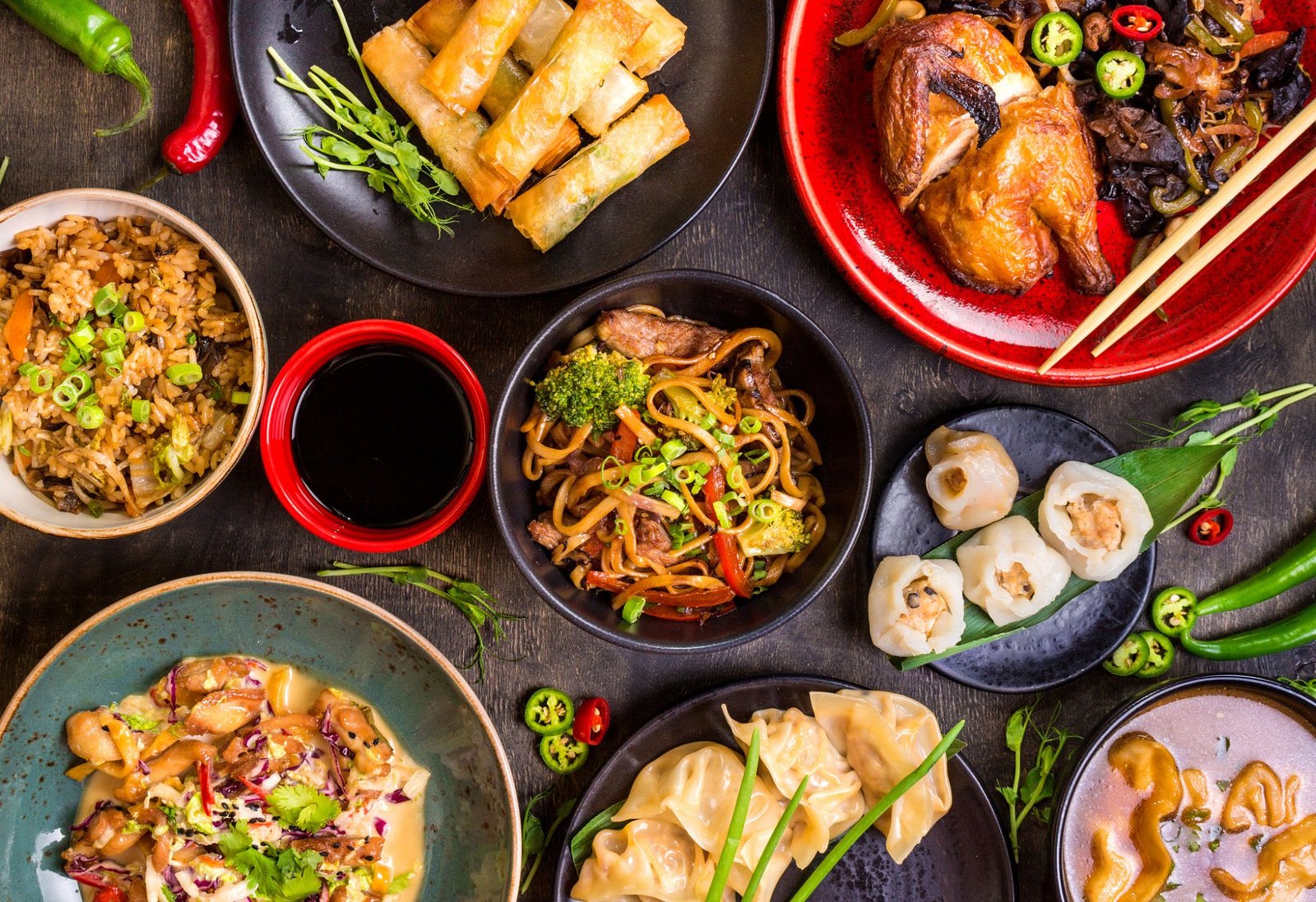
Chinese food offers a wide range of flavors, textures and cooking styles. From crispy starters to flavorful rice and noodle dishes there are many options for different tastes.
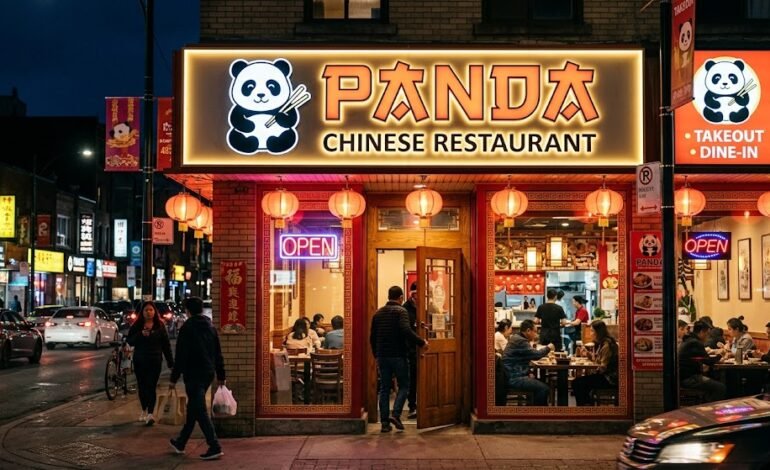
Panda Chinese Restaurants attract diners with menus that combine familiar Chinese favorites with different sauces, vegetables, meats and cooking methods. The variety makes it easier to choose a meal based on personal preference.
Different Dishes to Try
One reason people visit Panda Chinese Restaurants is the variety available on the menu. A single meal can include rice, noodles, vegetables, chicken, beef, seafood or soup.
A well-planned Panda Chinese menu may include mild dishes for people who prefer lighter flavors and richer options for those who enjoy stronger sauces and spices.
This variety also makes Chinese dining suitable for individuals, couples and families who may all want something different.
Popular Rice Dishes
Rice remains an important part of many Chinese meals. Fried rice is especially popular because it combines cooked rice with vegetables, eggs, meat or seafood.A good rice dish should have a balanced flavor without allowing one ingredient to overpower the others. Different sauces and seasonings can also change the taste of the same basic rice dish.
Some menus may offer chicken fried rice, vegetable fried rice, egg fried rice or combinations that include seafood and meat.
Noodles Bring a Different Texture
Noodles are another common choice in Chinese dining. They can be stir-fried with vegetables, chicken, beef or seafood.Chow mein and lo mein are familiar choices although their preparation and texture can vary between restaurants. Some noodle dishes have a lighter sauce while others have a richer and more savory flavor.
When choosing from a Panda Chinese menu, noodle dishes can be a useful option for people who want a filling meal without choosing a rice-based dish.
Chinese Chicken Dishes
Chicken is widely used in Chinese-style cooking because it works well with different sauces and vegetables.Sweet and sour chicken, sesame chicken, orange chicken and stir-fried chicken are examples of dishes that offer different combinations of sweet, savory, tangy and spicy flavors.
The cooking method also affects the final texture. Fried chicken can provide a crispy bite, while stir-fried chicken usually has a softer texture and absorbs more of the sauce.
Beef and Seafood Options
Beef dishes can provide a richer flavor and are often paired with vegetables such as broccoli, onions, peppers or mushrooms.Seafood offers another choice for diners who prefer fish, shrimp or other seafood ingredients. Shrimp dishes can work well with garlic, vegetables, sweet sauces or spicy seasonings.
The availability of these dishes depends on the individual Panda restaurant as menus can differ by location.
Different Vegetable Options
Chinese cooking does not rely only on meat and noodles. Vegetables often play an important role in both main dishes and side orders.Common ingredients include broccoli, cabbage, carrots, bell peppers, mushrooms, onions and leafy greens.
Vegetable dishes can provide lighter options while adding color, texture and different nutrients to a meal. They can also be combined with rice or noodles for a more complete plant-based option.
Sauces Used in Chinese Dishes
Sauces can completely change the character of a Chinese dish. Sweet, sour, salty, savory, spicy and mildly tangy flavors can all appear across different dishes.Soy sauce is commonly associated with Chinese cooking, while other sauces may include garlic, ginger, chili, sesame or sweet and sour combinations.
When ordering Panda Chinese food checking the sauce used in a dish can help diners choose flavors that match their preferences.
Starters and Appetizers
A Chinese meal often begins with a small starter. Spring rolls, egg rolls, dumplings, wontons, and similar items are common choices.These dishes can offer different textures before the main course arrives. Crispy starters may contrast with softer noodle or rice dishes.
Sharing appetizers can also allow a group to try several flavors without ordering a large portion of every item.
Chinese Dumplings and Wontons
Dumplings are popular across many Chinese food traditions and can contain vegetables, meat, seafood, or a combination of ingredients.Wontons are another familiar option and may appear in soups or as cooked appetizers.
Preparation methods can include steaming, boiling, pan-frying or deep-frying. Each method changes the texture and overall eating experience.
Soup as Part of the Meal
Chinese soups can range from light broths to thicker and more filling options. Common ingredients may include vegetables, chicken, seafood, noodles, eggs or wontons.Soup can work as a starter or as part of a larger meal. A lighter soup may suit diners who want something warm without adding a heavy side dish.
Buffet and Combination Meals
Some Panda Chinese Restaurants may offer buffet-style dining or combination meals, depending on the location.Buffets allow diners to choose several dishes in one meal. This can be useful when a group has different preferences because everyone can select something they enjoy.
Combination meals can also bring together rice, noodles, meat, vegetables and appetizers in one order. These options can make it easier to try different items without ordering each dish separately.
Choosing From the Menu
The best dish depends on what you enjoy eating. People who prefer mild flavors may choose vegetable fried rice, steamed vegetables or lightly seasoned chicken.Those who enjoy stronger flavors can look for dishes with garlic, chili, ginger or richer sauces.
If you want a filling meal, rice and noodle dishes can provide a substantial base. Adding vegetables or a protein can create a more balanced plate.
Diet-Friendly Chinese Food Options
People with specific dietary needs should check the ingredients before ordering. Some dishes may contain common allergens such as soy, wheat, eggs, shellfish, peanuts or sesame.Vegetarian diners should also confirm that a dish does not contain meat-based sauces or broths.
People who follow a lower-sodium diet may want to ask about sauces and seasoning because many prepared Chinese dishes can contain significant amounts of sodium.Clear communication with restaurant staff can help reduce the chance of ordering an unsuitable dish.
Ordering Chinese Food for Delivery
Food delivery makes Chinese meals convenient for people who prefer eating at home. Panda Chinese delivery can be useful when ordering lunch, dinner or meals for a group.However some dishes may change texture during transportation. Fried foods can lose some crispness, while sauces may become thicker as the food cools.
Ordering dishes that travel well and eating them soon after delivery can help maintain their flavor and texture.
What Makes the Menu Stand Out?
The biggest strength of Panda Chinese Restaurants is the combination of variety and familiar flavors. Diners can choose between rice, noodles, meat, seafood, vegetables, soups and appetizers.Different sauces and cooking methods create even more choices from similar ingredients. This gives customers the flexibility to choose meals according to their taste, appetite and dietary preferences.
A varied menu also makes Chinese dining suitable for groups. Instead of everyone ordering the same dish diners can select different options and share them.
Making Better Choices From the Menu
Reading the menu carefully can make ordering easier. Look at the main ingredients, cooking method, sauce and portion size before making a choice.If you are trying a restaurant for the first time, start with a familiar dish and add one new item. This approach lets you compare different flavors without ordering too many unfamiliar foods.You can also ask about spice levels or ingredient substitutions when the restaurant allows them.
Sum up
Panda Chinese Restaurants offer a wide selection of Chinese-inspired meals, including rice, noodles, chicken, beef, seafood, vegetables, soups and appetizers. Different sauces and cooking methods create a variety of flavors and textures.A Panda Chinese menu can suit different preferences from mild vegetable dishes to richer and spicier meals. Checking ingredients, sauces and preparation methods can help diners make choices that fit their tastes and dietary needs.
Frequently Asked Questions
1. What type of food do Panda Chinese Restaurants serve?
They generally offer Chinese-style dishes such as fried rice, noodles, chicken, beef, seafood, vegetables, soups, dumplings and appetizers. Menu choices can vary by location.
2. What are some popular Chinese dishes to try?
Popular choices can include fried rice, chow mein, dumplings, sweet and sour chicken, sesame chicken, vegetable stir-fry, and beef with vegetables.
3. Does every Panda restaurant have the same menu?
Not necessarily. Menu items, ingredients, portions, prices, and available services can vary between individual restaurant locations.
4. Can I order Panda Chinese food for delivery?
Many Chinese restaurants offer delivery services, but availability depends on the restaurant and its delivery area. Check the available ordering options before placing an order.
5. How can I choose a healthier Chinese meal?
Consider dishes with vegetables, steamed ingredients, lean proteins, and lighter sauces. You can also ask about sauces and seasoning if you want to reduce your intake of sodium or added fats.