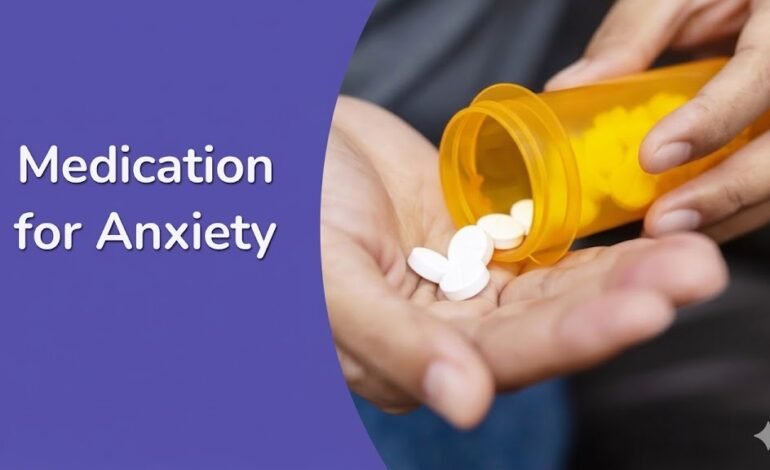

Anxiety has become one of the most common mental health challenges in modern life. From work pressure to personal responsibilities, many factors contribute to stress and anxious thoughts. While medications can help in severe cases, many people prefer natural methods to manage their anxiety safely and effectively.
In this guide you will learn practical and science backed ways to Reduce Anxiety Naturally Without Medication. These strategies focus on lifestyle, habits and mental well-being and help you regain control without relying on drugs.
Why Anxiety Happens: Common Reasons
Before learning how to manage anxiety it is important to understand what causes it. Anxiety is your body’s natural response to stress. It triggers a “fight or flight” reaction that prepares you to deal with danger. However when this response becomes constant and it turns into a problem.
Common causes of anxiety include:
- Chronic stress
- Poor sleep
- Hormonal imbalance
- Unhealthy diet
- Lack of physical activity
- Overthinking and negative thought patterns
Key point to know:Recognizing these triggers helps you address anxiety at its root instead of just managing symptoms.
1:Control Anxiety Through Breathing Techniques
One of the fastest ways to calm anxiety is through controlled breathing. When you feel anxious, your breathing becomes shallow and rapid. Deep breathing signals your brain to relax.
Try this simple method:
- Inhale slowly through your nose for 4 seconds
- Hold your breath for 4 seconds
- Exhale slowly through your mouth for 6 seconds
Repeat this cycle for a few minutes. It lowers heart rate and reduces stress instantly.
2. Stay Physically Active
Exercise is a powerful natural remedy for anxiety. It releases endorphins, which are chemicals that improve mood and reduce stress.
Best activities for anxiety relief:
- Walking in nature
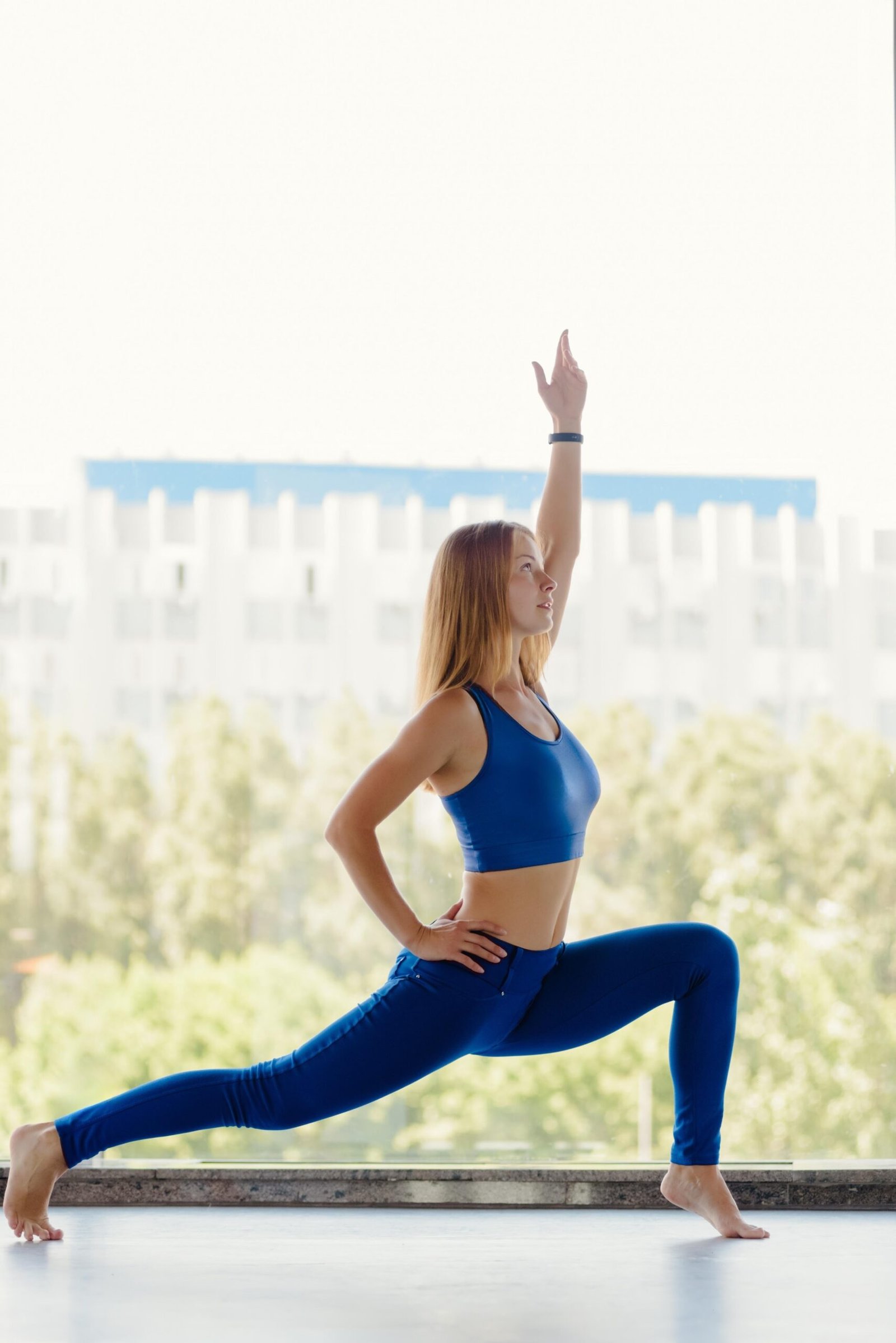
- Yoga
- Light jogging
- Strength training
Even 20–30 minutes of daily movement can significantly improve your mental health.
3.Sleep Better to Manage Anxiety Naturally
Lack of sleep worsens anxiety and makes it harder to manage emotions. A proper sleep routine helps your mind recover and function better.
Tips for better sleep:
- Go to bed at the same time every day
- Avoid screens before bedtime
- Reduce caffeine intake
- Create a calm sleeping environment
Quality sleep is one of the most effective ways to support emotional balance.
4. Maintain a Healthy Diet
What you eat directly affects your mood. Processed foods, sugar and caffeine can increase anxiety levels.
Focus on:
- Whole foods like fruits and vegetables
- Protein-rich meals
- Omega-3 fatty acids (found in fish and nuts)
- Herbal teas like chamomile
A balanced diet stabilizes blood sugar and supports brain function.
5. Reduce Caffeine and Sugar for Better Mental Health
Caffeine stimulates your nervous system and can trigger anxiety symptoms like restlessness and a racing heart.
Try to:
- Replace coffee with herbal tea
- Reduce sugary snacks
- Drink more water
Small dietary changes can make a big difference in how you feel daily.
6. Practice Mindfulness and Meditation
Mindfulness helps you stay present instead of worrying about the future. Meditation trains your brain to focus and relax.
Start with:
- 5–10 minutes of daily meditation
- Guided meditation apps
- Simple breathing awareness
Over time, mindfulness reduces overthinking and emotional stress.
7. Create a Daily Routine for Mental Stability
Uncertainty often increases anxiety. Having a structured daily routine creates stability and control.
Include:
- Fixed wake-up and sleep times
- Scheduled meals
- Time for work and relaxation
A routine reduces mental clutter and improves productivity.
8. Connect with Nature
Spending time outdoors has a calming effect on the mind. Nature reduces stress hormones and improves mood.
Try:
- Walking in a park
- Gardening
- Sitting in sunlight
Even short exposure to natural environments can reduce anxiety levels.
9. Reduce Screen Time and Social Media Use
Constant exposure to news and social media can overwhelm your mind. It often leads to comparison, fear and stress.
Healthy habits include:
- Limiting screen time
- Taking social media breaks
- Avoiding negative content
This helps protect your mental space.
10. Practice Gratitude Daily
Focusing on what you have instead of what you lack shifts your mindset positively.
Simple gratitude practice:
- Write 3 things you are thankful for daily
- Reflect on positive moments
- Appreciate small achievements
Gratitude reduces negative thinking and improves emotional well-being.
11. Engage in Relaxing Activities
Hobbies help distract your mind from stress and bring joy.
Examples include:
- Reading
- Painting
- Listening to music
- Cooking
Doing something you enjoy regularly helps maintain mental balance.
12. Talk to Someone You Trust
Sharing your thoughts reduces emotional burden. Keeping everything inside can worsen anxiety.
You can:
- Talk to a friend or family member
- Join a support group
- Seek professional counseling if needed
Communication is key to emotional healing.
13. Replace Negative Thoughts with Positive Thinking
Anxiety often comes from irrational thinking. Learning to question your thoughts can reduce its intensity.
Ask yourself:
- Is this thought realistic?
- What evidence supports it?
- What is a more balanced perspective?
This technique helps break the cycle of overthinking.
14. Safe Use of Herbal Remedies for Mental Health
Certain natural herbs may help calm anxiety such as:
- Chamomile
- Lavender
- Ashwagandha
However, always consult a professional before using supplements.
15. Be Kind to Yourself for Better Mental Health
Be kind to yourself. Anxiety does not mean weakness—it is a natural response.
Instead of criticizing yourself:
- Accept your feelings
- Take small steps toward improvement
- Celebrate progress
Self-compassion builds emotional resilience.
Reduce Anxiety Naturally Without Medication: A Holistic Approach
Managing anxiety naturally requires a combination of healthy habits. There is no single solution, but consistent effort creates lasting results.
Focus on:
- Physical health
- Mental clarity
- Emotional balance
When these areas improve, anxiety naturally decreases.
Things You Should Avoid for Better Mental Health
While trying to manage anxiety, avoid these mistakes:
- Ignoring symptoms
- Overworking without rest
- Relying on quick fixes
- Isolating yourself
Long-term improvement comes from sustainable habits.
Positive Long Term Effects of Natural Anxiety Relief
Choosing natural methods offers several advantages:
- No side effects
- Improved overall health
- Better emotional control
- Long-lasting results
These benefits make natural approaches a preferred choice for many people.
Bottom line
Learning how to Reduce Anxiety Naturally Without Medication is a powerful step toward a healthier and more balanced life. By making small but consistent changes in your daily routine, you can manage stress effectively and improve your mental well-being.
Focus on your lifestyle, thoughts, and habits. Over time, these natural strategies will help you feel calmer, more in control, and emotionally stronger.
Conclusion
- Anxiety is often caused by stress, poor sleep, and unhealthy habits
- Natural methods focus on lifestyle improvements
- Exercise, diet, and sleep play a key role
- Mindfulness and gratitude help control thoughts
- Consistency is essential for long-term results
- Avoid quick fixes and build sustainable habits
- Natural anxiety management improves overall health
FAQs on Natural Ways to Reduce Anxiety
1. Can anxiety be reduced naturally without medication?
Yes. Many people successfully manage anxiety through lifestyle changes like exercise, mindfulness, and a healthy diet.
2. How long does it take to see results?
It depends on the individual, but most people notice improvements within a few weeks of consistent effort.
3. Is exercise really effective for anxiety?
Yes. Physical activity releases endorphins that improve mood and reduce stress levels.
4. What foods help reduce anxiety?
Foods rich in omega-3, magnesium and vitamins such as fish, nuts and leafy greens support mental health.
5. When should I seek professional help?
If anxiety becomes severe or interferes with daily life it is important to consult a mental health professional.