
Surgical Tech Programs That Help Start Your Career
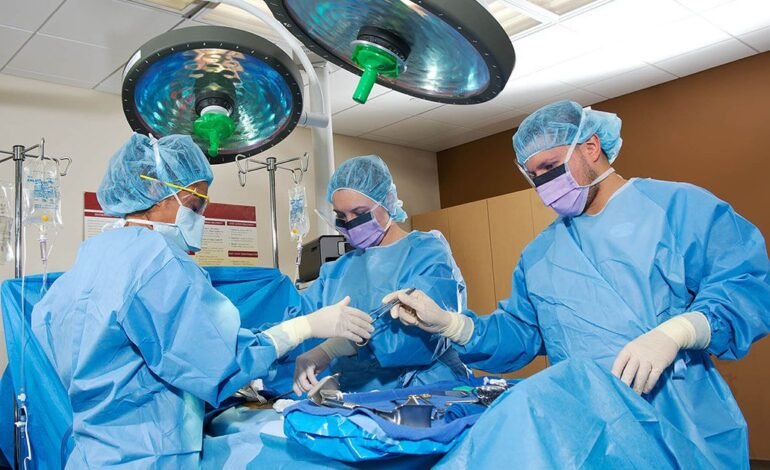

Starting a career in healthcare can be a great opportunity for people who want to work in a medical environment. If you are interested in surgery and enjoy working as part of a team, becoming a surgical technologist may be a good career choice.
The right Surgical Tech Programs can help you gain the knowledge and practical skills needed for this profession. These programs teach students how to prepare operating rooms, handle surgical instruments, maintain sterile conditions and support surgeons during procedures.
However choosing a program requires careful planning. You need to compare course options, admission requirements, training opportunities and education costs. This guide explains how to find a suitable program and take your first steps toward a surgical technology career.
Types of Surgical Tech Programs Available
Schools offer different Surgical Tech Programs to meet students’ education needs and career goals. Understanding these options can help you choose the right path.
- Certificate programs: These programs provide focused training in surgical technology. Their length and admission requirements depend on the school.
- Diploma programs: These combine classroom lessons with practical instruction to prepare students for entry-level responsibilities.
- Associate degree programs: These usually include general education subjects along with specialized surgical technology courses.
Key Points to Know:Many surgical tech training programs combine classroom learning, laboratory practice and supervised clinical experience. Before applying, review the curriculum and check whether the program meets your career and certification goals.
Best Program Options For Beginners
If you are new to healthcare look for a program that starts with basic medical subjects and gradually introduces surgical skills. You do not always need previous operating room experience to apply but each school sets its own admission requirements.
Beginner-friendly surgical technology courses may cover:
- Basic anatomy and physiology
- Medical terminology
- Microbiology
- Infection prevention
- Surgical instruments and equipment
- Sterile techniques
- Operating room procedures
- Patient safety
These subjects help students understand the human body, surgical environments, and the responsibilities of a surgical technologist.
Key Points to Know:When comparing programs check the teaching methods and student support services. Some schools provide academic advising, tutoring and career guidance. These services can help new students manage their studies and prepare for clinical training.
Accredited Surgical Tech Schools
Accreditation is one of the most important factors to check before choosing a school. It shows that an educational program meets established standards for its profession.
In the United States the Commission on Accreditation of Allied Health Education Programs (CAAHEP) and the Accrediting Bureau of Health Education Schools (ABHES) accredit surgical technology programs.
You can use the CAAHEP program directory to search for accredited options. Check the specific surgical technology program rather than relying only on the college’s general accreditation.
Graduating from a CAAHEP- or ABHES-accredited surgical technology program is one route to qualify for the Certified Surgical Technologist (CST) exam. The National Board of Surgical Technology and Surgical Assisting (NBSTSA) sets the exam eligibility requirements.
Before enrolling, confirm the program’s current accreditation status and whether its graduates can meet the certification requirements. This step can help you avoid spending time and money on a program that does not support your intended career path.
Online and Campus-Based Program Options
Students can choose programs that offer online classes, campus-based instruction or a combination of both. Each format has different benefits.
Online learning: Some schools offer theoretical subjects online. This format may help students who need flexibility because of work or family responsibilities.
Campus-based learning: Students attend classes and practical sessions at the school. They can work directly with instructors, practice using equipment and participate in laboratory activities.
Hybrid learning: These programs combine online lessons with in-person classes and practical training.
Some online surgical tech programs provide only part of the coursework remotely. Surgical technology requires hands-on experience so online lessons alone cannot provide all the training needed for this profession.
Ask each school how it arranges laboratory practice, clinical placements and supervised experience. Also check whether clinical facilities are available near your location.
Affordable Surgical Tech Programs
Education costs can affect your choice of school. Tuition is important, but you should also consider additional expenses before making a decision.
Use these tips to manage your education budget:
- Compare tuition fees at different colleges.
- Ask about scholarships and financial aid.
- Check whether payment plans are available.
- Include books, uniforms, and supplies in your budget.
- Ask about laboratory and clinical training costs.
- Check whether exam fees are included in tuition.
Some schools may offer financial assistance to eligible students. You can contact their financial aid offices to ask about grants, scholarships, and other available options.
Key Points to Know:Do not choose a school based only on its low tuition. Make sure the program offers suitable training, meets your educational needs and supports your certification goals. A clear comparison of total costs can help you make a better decision.
Programs That Include Clinical Training
Classroom lessons help students understand medical concepts, but practical experience is also essential. Clinical training allows students to apply what they learn in a supervised healthcare environment.
During clinical practice, students may learn how to:
- Prepare operating rooms before procedures.
- Arrange surgical instruments and supplies.
- Maintain a sterile field.
- Follow infection-control procedures.
- Support the surgical team during operations.
- Handle instruments and equipment safely.
Students usually complete clinical training under the supervision of qualified professionals. This experience helps them understand operating room routines, teamwork and patient safety.
When comparing programs ask how clinical placements work. Find out how many hours students must complete which facilities provide training and whether the school helps arrange placements.
Key Points to Know:Good surgical technologist training should prepare students for both the technical and professional responsibilities of the job. Practical experience also helps students become more comfortable working in a busy surgical environment.
How to Find Surgical Tech Programs Near You
Finding a school close to home can make attending classes and completing clinical placements easier. Start by searching for surgical tech programs near me and comparing the available options.
Follow these steps to find a suitable school:
- Search for surgical technology colleges in your city or state.
- Check each program’s accreditation status.
- Review course details and admission requirements.
- Ask about clinical training locations.
- Compare tuition fees and financial aid options.
- Contact admissions offices about deadlines.
- Ask whether graduates can meet certification requirements.
Important Things to Know:You can also use official accreditation directories to find recognized programs. Contact schools directly to confirm their current courses, fees and application dates because these details may change.
Choosing a Program That Matches Your Career Goals
The best Surgical Tech Programs should match your budget, schedule, education level and future plans. Take time to compare schools instead of choosing the first option you find.
Consider these important factors:
Accreditation: Check whether the surgical technology program holds recognized accreditation. This can affect your eligibility for professional certification.
Course content: Review the subjects included in the curriculum. Make sure the program covers anatomy, surgical procedures, sterile techniques, and patient safety.
Practical experience: Ask about laboratory sessions and clinical placements. Students need supervised practice to understand real operating room responsibilities.
Program cost: Compare tuition and additional expenses. Ask about financial aid before making your final decision.
Student support: Find out whether the school offers academic advising, tutoring, or career services.
Certification preparation: Ask whether graduates can meet the requirements for the CST exam.
Strong surgical tech career training should combine medical knowledge with practical skills. Choosing a program that covers both areas can help you prepare for the responsibilities of the profession.
What to Do After Completing Your Program
Completing your education is an important step but you may need to meet additional requirements before starting work. Your next steps depend on your program, certification eligibility, and state regulations.
Here is what you can do after graduation:
- Collect your diploma and official transcripts.
- Check the CST exam eligibility requirements.
- Apply for the certification exam if you qualify.
- Prepare a resume highlighting your education and clinical experience.
- Search for entry-level surgical technologist positions.
- Prepare for interviews and employer assessments.
Your surgical technology education can prepare you to apply for positions in hospitals, outpatient surgery centers, and other healthcare facilities. Employers may have different hiring requirements so read job descriptions carefully.
Important Things to Know:You can also contact your school’s career services department for help with resumes, interviews and job searches.
Sum up
Choosing the right Surgical Tech Programs can help you build a foundation for a healthcare career. Compare accredited schools, course content, tuition costs and clinical training before enrolling. A suitable program can help you develop the knowledge and practical skills needed to begin your journey as a surgical technologist.