Why Is Vinyasa Flow Yoga So Popular? What Global Surveys Reveal
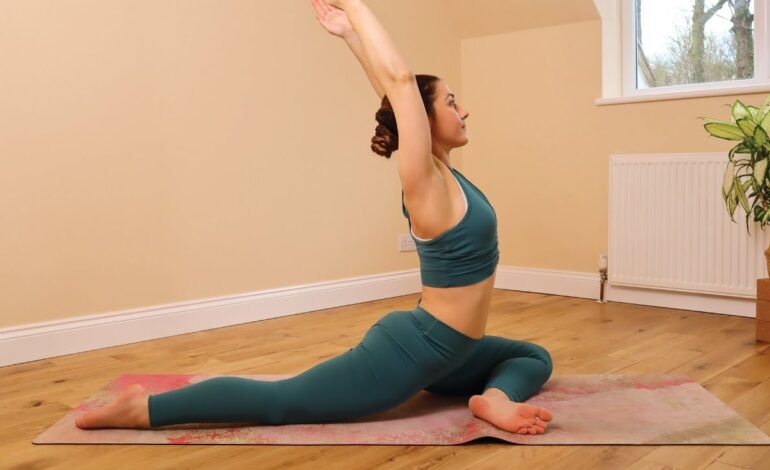

Yoga has become a regular part of many people’s fitness and wellness routines. Among its different styles Vinyasa Flow Yoga has attracted attention for its continuous movements, breathing techniques and flexible class structure. Unlike styles that focus on holding poses for longer periods, Vinyasa connects one movement to another, creating a flowing practice.
But is its popularity based on personal preferences, fitness trends or something more? Global survey findings offer an interesting look at why people choose this style. The 2021 Global Yoga Survey by DoYou found that Vinyasa Flow was the most commonly reported yoga style among its respondents. Other findings also reveal how people practice yoga, what motivates them and why flexibility in a class may matter.
What Makes Vinyasa Flow Yoga Different?
The main feature of Vinyasa Flow Yoga is the connection between breathing and movement. Practitioners move from one pose to another while coordinating each transition with an inhale or exhale. This creates a continuous sequence rather than a series of separate poses.
A class may include Sun Salutations, standing poses, balancing movements and floor-based stretches. The teacher usually guides the sequence, but the exact order and pace can vary between classes.
This flexibility makes the style different from more structured forms of yoga. Some sessions move slowly and focus on controlled breathing, while others include faster transitions and physically challenging sequences.
The practice also allows teachers to adjust the difficulty, introduce different poses and build classes around a particular theme. As a result two classes can feel quite different even when they follow the same general approach.
What Do Global Surveys Reveal About Its Popularity?
One of the most useful sources for understanding yoga preferences is the Global Yoga Survey 2021 by DoYou. The survey collected responses from 10,982 yoga practitioners across 124 countries. It explored their preferred styles, practice habits, motivations and experiences.
Its findings placed Vinyasa Flow at the top of the list of reported yoga styles:
- Vinyasa Flow: 57.3%
- Hatha: 42.1%
- Restorative: 29.6%
- Power Yoga: 29.4%
- Ashtanga: 25.3%
- Yin: 17.2%
These figures show that Vinyasa was the most frequently reported style among the survey participants. However respondents could select more than one style so the percentages do not represent exclusive choices or the share of all yoga practitioners worldwide.
The survey also found that 93.9% of respondents described themselves as beginners or intermediate practitioners. This suggests that the popularity of yoga is not limited to highly experienced students. Many people participate while still learning the basics.
It is important to remember that the survey involved DoYou users who chose to respond. Its results provide useful insight into this group but they should not be treated as a complete count of yoga participation in every country.
Why Do People Choose This Style?
The survey figures show that many respondents practice this style, but they do not explain every reason behind that choice. Its format offers several features that may help explain its appeal.
Classes Can Offer Different Levels of Intensity
Some people prefer gentle movement, while others want a more physically demanding session. Teachers can change the pace, poses, and transitions to create different class experiences.
A slower class may focus on breathing, posture, and controlled movement. A faster session may include repeated sequences that challenge strength, balance and stamina. This variety allows practitioners to explore different levels without changing to an entirely different yoga style.
Movement Keeps the Practice Engaging
Some yoga styles involve holding poses for extended periods. Vinyasa, by comparison, links movements into sequences. People who enjoy staying active may find this format more engaging.
The changing sequence also gives teachers room to introduce new combinations. This can make regular classes feel less repetitive although the actual experience depends on the instructor and class design.
Breathing Adds a Mindful Element
Breathing is not simply something that happens alongside the movements. It helps guide the transitions and encourages practitioners to pay attention to their bodies.
This connection can make the session feel more focused. Instead of rushing through poses, students are encouraged to coordinate movement with controlled breathing.
How Do People Practice Yoga Around the World?
The popularity of a yoga style is only one part of the wider picture. Global research also offers insight into when, where and how people practice.
The DoYou survey found that 66.5% of respondents practiced yoga three or more times a week. Around 40.5% usually practiced in the morning, while 42.2% preferred the evening. These results suggest that many participants fit yoga into their regular schedules.
Location was another interesting finding. About 85% practiced at home for at least some of their sessions. Convenience was the leading reason, selected by 71.7% of those who practiced at home. Saving money and having more privacy were other reported reasons.
Online resources also played a major role. Among respondents who used online services, 78.1% reported using YouTube to guide their practice.
These findings help explain how yoga has become accessible beyond traditional studios. People can follow guided sessions at home, choose a convenient time and explore different teaching styles through digital platforms.
However these figures describe the survey respondents rather than every yoga practitioner worldwide. They also cover yoga practice in general, not Vinyasa classes alone.
What Do More Recent Studies Say About Yoga Participation?
A later study by Yoga Alliance provides another perspective. Its 2022 Yoga in the World research collected responses from 11,020 people across 10 countries. The countries included the United States, United Kingdom, Brazil, Germany, Chile, China, India, Kenya, Nigeria and the United Arab Emirates.
The study examined yoga participation, public perceptions, motivations and barriers. It found that stress relief was a leading reason for starting yoga in several countries including the United States, United Kingdom, Germany, China, Kenya, and Nigeria. In Brazil, Chile, India and the UAE improving overall health was the leading motivation reported by practitioners.
The research also showed that yoga participation is influenced by more than physical fitness. Personal wellbeing, access, social encouragement and available time can all affect whether people begin or continue practicing.
For additional context the US National Center for Health Statistics reported that 16.9% of American adults practiced yoga during the previous 12 months in 2022. This figure comes from the National Health Interview Survey and measures yoga participation overall, not Vinyasa specifically.
Together these studies show growing interest in yoga and offer insight into why people practice. They do not establish a worldwide ranking of yoga styles in 2022 but they help place the earlier Vinyasa findings within a broader picture.
Is Vinyasa Suitable For Beginners?
Despite its flowing format Vinyasa Flow Yoga is not automatically too difficult for beginners. The level of challenge depends on the teacher, the pace, the poses and the options provided during class.
A beginner-friendly session may include basic movements, clear instructions and enough time to understand each transition. Students can also use blocks, straps or other props for support.
However, faster classes may be challenging for someone who is new to yoga. Repeated transitions, balancing poses and movements that require upper-body strength can take time to learn.
Beginners should look for classes clearly described as beginner-friendly or slow flow. They should also tell the instructor about any injuries or physical limitations before starting. Anyone with a medical concern can seek advice from a healthcare professional about suitable activity.
Does Every Vinyasa Class Feel the Same?
No. One reason people may continue exploring this style is that class structure can change considerably.
A slow-flow session may give students more time to move between poses and focus on breathing. A power-focused class may use faster sequences and physically demanding movements. Some teachers build sessions around hip mobility, balance, standing poses or a particular peak posture.
Music, room atmosphere, class length and teaching approach can also influence the experience. The DoYou survey found that 76.1% of respondents listened to music sometimes or always during yoga practice. This does not mean every class uses music but it shows that sound is part of the experience for many practitioners.
The teacher can make a significant difference too. A well-guided class explains transitions, offers modifications and gives students time to understand the sequence. This can make the practice more approachable and enjoyable.
What Could Influence Its Popularity in the Future?
The available research points to several factors that may continue shaping yoga participation. Digital access allows people to practice at home while different class formats give them more ways to find a suitable routine.
The DoYou survey also found that 80% of respondents wanted to practice more often than they currently did. Work, family responsibilities, distractions and cost were among the reported barriers.
These findings suggest that convenience and accessibility matter. Flexible class schedules, online instruction and options for different experience levels may help people maintain a regular practice.
Still, popularity can change over time. A survey from 2021 cannot confirm which style is currently the most popular in every country. Newer research that asks specifically about yoga styles would be needed to establish whether the same ranking remains true.
Frequently Asked Questions
1. Why is Vinyasa so popular?
Its flowing movements, breathing coordination and flexible class structure appeal to people who enjoy an active and varied yoga practice. The 2021 DoYou survey found it was the most commonly reported style among its respondents.
2. What percentage of surveyed practitioners chose Vinyasa Flow?
The 2021 Global Yoga Survey reported that 57.3% of respondents practiced Vinyasa Flow. Participants could select multiple styles.
3. Is Vinyasa more popular than Hatha Yoga?
In the DoYou 2021 survey Vinyasa Flow was reported by 57.3% of respondents, compared with 42.1% for Hatha. This ranking applies to that survey group not necessarily to every country or yoga community.
4. Is this style good for beginners?
It can be suitable for beginners when the class offers basic poses, clear guidance and slower transitions. Beginners should avoid pushing themselves into movements they are not ready for.
5. How often do people practice yoga?
In the DoYou survey 66.5% of respondents said they practiced yoga three or more times per week. This figure covers yoga practice overall, not one specific style.
6. Can I practice at home?
Yes. Many people use online classes and videos to practice at home. Beginners should choose sessions with clear instructions and enough space to move safely.
7. What is the difference between slow flow and power flow?
Slow flow uses a gentler pace and allows more time for transitions. Power flow is generally faster and may include more physically demanding sequences.
8. Does Vinyasa always include Sun Salutations?
No. Many classes use Sun Salutations to connect poses but teachers can create different sequences depending on the class theme and students’ experience.
9. Do I need special equipment?
A yoga mat is usually enough to begin. Blocks and straps can provide additional support, particularly for beginners or people working on flexibility.
10. Is Vinyasa the most popular yoga style worldwide?
The 2021 DoYou survey ranked it first among the styles reported by its respondents. However there is not enough evidence from that survey alone to claim it is the most popular style among every yoga practitioner worldwide.
Sum up
Vinyasa Flow Yoga stands out because it combines movement, breathing and flexible class structures. The 2021 Global Yoga Survey placed it ahead of other reported styles with 57.3% of respondents selecting it. Broader research from Yoga Alliance and the CDC also shows that yoga attracts people for reasons that include stress relief, overall health and personal wellbeing.These findings help explain its appeal but they do not prove that one style suits everyone. The best choice depends on a person’s interests, experience and comfort with the pace of a class.