
Fitness and Recovery Strategies For Weightlifting With Tennis Elbow
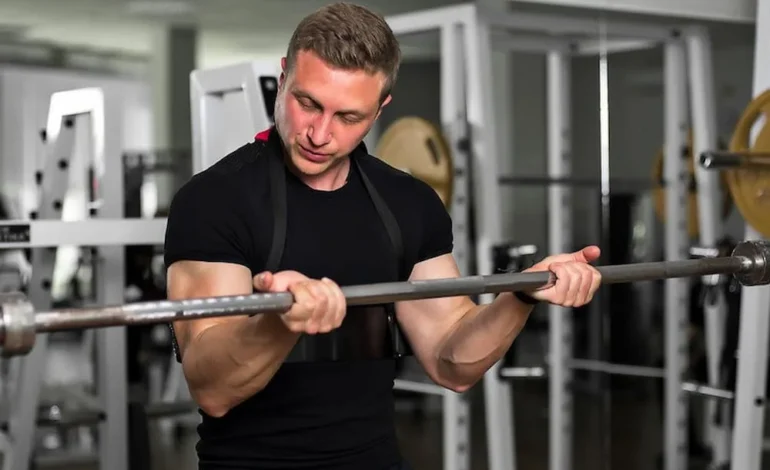

Tennis elbow is a common problem among people who lift weights. It causes pain around the outer part of the elbow. Many gym lovers feel discomfort when they grip bars or lift heavy weights. The pain can become worse if they ignore it for a long time. Still many people want to continue training while healing their arm.
Weightlifting with tennis elbow can feel difficult but proper care makes a big difference. You do not always need to stop exercising completely. Smart training and recovery methods can help reduce pain and improve healing. Small changes in your workout routine also protect the elbow from more stress.
This article explains safe fitness and recovery strategies for people dealing with this condition.
Tennis Elbow
Tennis elbow is also called lateral epicondylitis. It happens when the tendons around the elbow become irritated. These tendons connect muscles to bones. Repeated arm movement creates small tears in the tendon. This leads to pain and weakness.
Key point to know:Many people think only tennis players get this problem. That is not true. Weightlifters also suffer from it because lifting puts pressure on the forearm muscles.
Common Signs of Tennis Elbow
People notice different symptoms depending on the severity of the injury. Some common signs include:
- Pain on the outer side of the elbow
- Weak grip strength
- Burning feeling near the elbow
- Pain during lifting
- Difficulty holding heavy objects
- Stiffness in the arm
Key point to know:The pain may start slowly. Many people ignore it in the beginning. Over time the condition becomes worse.
Why Weightlifters Get Tennis Elbow
Weight training uses the forearm muscles again and again. Heavy lifting increases strain on the tendons. Poor technique also adds stress to the elbow.
Several reasons can trigger the problem:
Overtraining
Too much exercise without rest damages the tendons. Muscles need recovery time after hard workouts.
Poor Grip Technique
A very tight grip creates pressure on the forearm muscles. This increases elbow stress.
Heavy Weights
Lifting weights that are too heavy can overload the elbow tendons.
Bad Form
Incorrect arm position during exercises can lead to injury.
Weak Forearm Muscles
Weak muscles cannot support the elbow properly. This makes injuries more likely.
Is Continuing Exercise Good or Bad for Tennis Elbows?
Many people ask if they should stop lifting completely. The answer depends on pain level. Mild pain may allow light exercise. Severe pain needs rest and treatment.
Weightlifting with tennis elbow should focus on safety. Avoid exercises that increase pain. Never push through strong discomfort.
Light movement can actually help recovery. Complete inactivity may make the arm stiff. The goal is to train smart, not harder.
Best Exercises During Recovery
Some exercises are safer than others. Choose movements that reduce elbow strain.
Lower Body Workouts
Leg exercises place less pressure on the elbow. You can still stay active with:
- Squats
- Lunges
- Leg press
- Calf raises
Core Exercises
Core training keeps the body strong without stressing the arm.
Good options include:
- Planks
- Leg raises
- Bicycle crunches
- Sit ups
Resistance Band Exercises
Bands provide gentle resistance. They help strengthen muscles slowly.
Light Dumbbell Training
Use low weight and controlled movement. Stop immediately if pain increases.
Exercises to Avoid
Some movements place heavy stress on the elbow. These exercises may worsen the injury.
Avoid:
- Heavy deadlifts
- Heavy bicep curls
- Pull ups with pain
- Heavy bench press
- Wrist curls with heavy load
- Explosive lifting movements
Take a break from painful exercises until the elbow improves.
Proper Warm Up
Warm up before every workout. Cold muscles are more likely to get injured.A good warm up increases blood flow and prepares the joints for exercise.
Simple warm up ideas include:
- Arm circles
- Light cardio
- Wrist rotations
- Gentle stretching
- Resistance band movement
Spend at least 10 minutes warming up before lifting.
Stretching Helps Recovery
Stretching improves flexibility and reduces muscle tightness. Gentle stretching also lowers tension around the elbow.
Forearm Stretch
Straighten your arm and pull the fingers back gently.
Wrist Flexor Stretch
Point the fingers downward and stretch the forearm slowly.
Grip Stretch
Open and close the hand several times to relax muscles.Do not force stretches. Slow movement works best.
Ice Therapy For Pain Relief
- Ice helps reduce swelling and pain. Many athletes use cold therapy after workouts.
- Place an ice pack on the elbow for 15 to 20 minutes. Repeat this several times daily if needed.
- Never place ice directly on the skin. Use a towel for protection.
Use Proper Lifting Technique
Good form protects the elbow from extra stress.
Follow these tips:
- Keep wrists neutral
- Avoid sudden jerking movement
- Lift slowly and with control
- Use lighter weights during recovery
- Focus on posture
Bad technique often causes repeated injuries.
Restore Grip Power Safely
Weak grip strength is common with tennis elbow. Gentle exercises can rebuild strength slowly.
Try:
- Soft stress ball squeezing
- Finger extension bands
- Towel grip exercise
Start with light resistance. Increase slowly over time.
Importance of Rest Days
- Rest is very important for healing. Muscles and tendons repair during recovery periods.
- Many people train every day without enough rest. This slows healing and increases pain.
- Take at least one or two rest days every week. Listen to your body carefully.
Massage and Physical Therapy
- Massage helps improve blood circulation. It also relaxes tight muscles around the elbow.
- Physical therapy is another useful option. Therapists teach exercises that strengthen weak areas safely.
- Professional treatment may speed up recovery for serious cases.
Use Elbow Support
- Some people use elbow straps or braces during workouts. These supports reduce strain on the tendon.
- An elbow brace does not cure the condition but it may reduce pain during activity.
- Choose a comfortable support that fits correctly.
Recovery Boosting Foods for Active People
Healthy food helps the body recover faster. Good nutrition reduces inflammation and repairs tissues.
Important nutrients include:
Protein
Protein supports muscle repair.
Good sources include:
- Eggs
- Chicken
- Fish
- Yogurt
- Beans
Vitamin C
Vitamin C supports tendon healing.
Eat foods like:
- Oranges
- Lemons
- Strawberries
- Bell peppers
Omega 3 Fatty Acids
These healthy fats reduce inflammation.
Sources include:
- Salmon
- Chia seeds
- Walnuts
Drink enough water daily as well.
Restful Sleep Supports Muscle Repair
- Sleep is one of the most important recovery tools. The body repairs damaged tissue during sleep.
- Poor sleep slows healing and increases fatigue.
- Aim for 7 to 9 hours of quality sleep every night.
Mental Health During Injury
- Injuries can feel frustrating for active people. Many lifters become stressed when they cannot train normally.
- Stay patient during recovery. Focus on long term health instead of short term progress.
- Set small goals and celebrate improvement.
Safe Progression Back to Heavy Workouts
Do not rush back into intense workouts. Sudden heavy lifting can restart the injury.
Increase weight slowly over time.
Follow these steps:
- Start with light weights
- Use pain free movement
- Improve form first
- Add resistance gradually
- Stop if pain returns
Recovery takes time. Patience prevents future problems.
Signs Your Condition Needs a Doctor
Some cases need medical attention. Seek help if:
- Pain lasts for many weeks
- Arm weakness becomes severe
- Swelling increases
- Daily activities become difficult
- Home treatment does not work
A doctor may recommend therapy or other treatment options.
Long Term Prevention Tips
Preventing future injury is very important.
Follow these habits:
- Warm up before training
- Use proper technique
- Avoid overtraining
- Strengthen forearm muscles
- Rest between workouts
- Increase weights slowly
- Stretch regularly
Small habits can protect the elbow for years.
How Smart Habits Improve Workout Results
Fitness should improve health not damage the body. Many people focus only on lifting heavier weights. They forget the importance of recovery.
Weightlifting with tennis elbow becomes safer when you train with balance. Recovery methods matter just as much as exercise itself.
Strong muscles need healthy tendons too.
Warp up
Tennis elbow is a painful condition that affects many weightlifters. Repeated stress on the forearm muscles often causes the problem. Pain may become worse without proper care. Still recovery is possible with smart habits and safe exercise.
Weightlifting with tennis elbow requires patience and careful training. Light workouts, proper warm up stretching rest and good nutrition all support healing. Avoid painful exercises and focus on correct form. Recovery may take time but steady progress leads to better results.
Protecting the elbow today can prevent bigger injuries in the future.