
Cardio After Weight Training Best Approach For Fat Loss
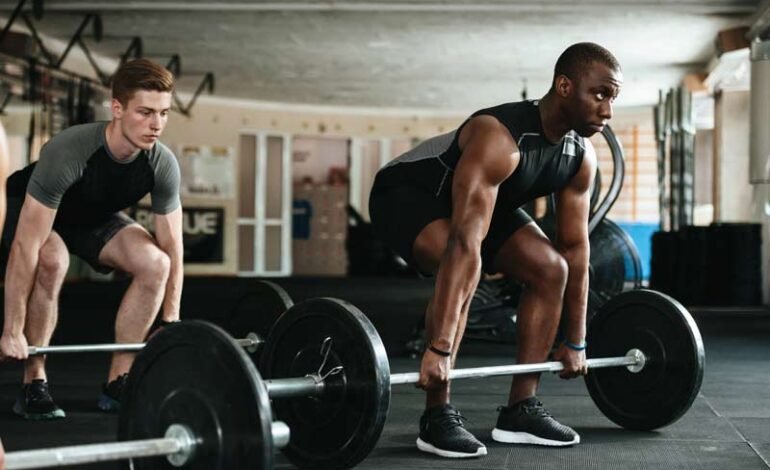

Cardio after weight training is widely considered one of the most effective strategies for achieving sustainable fat loss while preserving lean muscle. Fitness experts increasingly recommend strength training first, followed by cardiovascular exercise, because this sequence supports better energy utilization, improved metabolism, and enhanced fat burning. When performed correctly, cardio allows the body to maximize results without compromising muscle strength or overall performance.
1:Smart Approach for Long Term Fitness
Understanding how and why this approach works is essential for anyone aiming to lose fat, improve endurance, or maintain a balanced fitness routine. The combination of resistance training and cardio creates a powerful metabolic effect that continues to burn calories even after the workout ends. This article explores the science, benefits, timing, and best practices of cardio after weight training, helping you make informed decisions for long-term fitness success.
2:Cardio Weight Training to Boost Metabolism
Cardio helps boost metabolism and supports effective fat burning. When you lift weights first, your body uses stored energy and activates muscles. Adding cardio afterward increases calorie burn because your metabolism stays elevated. This method allows the body to burn fat more efficiently even after the workout ends. Light to moderate cardio such as walking, cycling, or jogging works best after strength training. It improves heart health while supporting muscle recovery.

3:The Metabolic Science Behind Post Workout Cardio
Weight training primarily uses stored glycogen as fuel. When you lift weights first, your muscles deplete a significant portion of these glycogen reserves. Once these stores are reduced, the body becomes more likely to use stored fat as an energy source during cardio sessions. This metabolic shift explains why fat burning after weight training is more efficient compared to performing cardio first.
4:Enhance Fat Loss by Combining Strength Training and Cardio
Another important factor is excess post-exercise oxygen consumption (EPOC), often referred to as the afterburn effect. Strength training increases EPOC, meaning your body continues to burn calories at a higher rate even after the workout. When cardio is added afterward, it enhances this effect, supporting greater overall calorie expenditure throughout the day.
5:Why Cardio Weight Training Supports Fat Loss Goals
One of the primary reasons people choose cardio after weight training is its effectiveness in reducing body fat without sacrificing muscle mass. Resistance training stimulates muscle growth and strength, while cardio improves cardiovascular health and calorie burn. Performing cardio after lifting ensures that muscle-building efforts are not compromised.
6:Maximizing Fat Loss While Preserving Muscle with Post Workout Cardio
This approach is particularly beneficial for individuals who want a lean, toned physique rather than just weight loss. By prioritizing strength training first, the body adapts by maintaining muscle while using fat as a fuel source during cardio. Over time, this leads to improved body composition and better physical performance.
7:Cardio Weight Training for Female Fitness Goals
Cardio weight training female fitness programs have gained popularity because they support fat loss while enhancing muscle tone. Contrary to common myths, strength training does not make women bulky. Instead, it helps shape the body, improve posture, and boost metabolism.Cardio weight training works effectively for both men and women who want better fitness and fat loss. Strength training first helps build muscle and improve strength, while cardio afterward supports calorie burning and heart health.
8:Why Post Workout Cardio Works Differently For Men and Women
Men often use this approach to reduce body fat without losing muscle mass.
Women benefit by improving endurance and toning muscles while managing weight. Light to moderate cardio such as brisk walking, cycling, or elliptical training works best after lifting. This balanced routine improves metabolism, boosts stamina, and supports long term fitness when practiced consistently.

9:How Combining Weights and Cardio Supports Women’s Fat Loss
When women follow weight training with cardio, they often experience improved endurance, better hormonal balance, and more consistent fat loss. This sequence also supports bone density and reduces the risk of injury, making it a practical and sustainable approach for long-term health.
10:Ideal Cardio Duration After Weights
Many people wonder how long cardio should last after lifting weights. Research and fitness experts suggest that even short sessions can be effective. For example, 10 minutes of cardio after weights can enhance fat oxidation when performed at moderate intensity.Similarly, 20 minutes of cardio after weights is often considered an optimal balance between effectiveness and recovery. This duration allows the body to burn additional calories without causing excessive fatigue or muscle breakdown. The key is consistency rather than excessively long sessions.
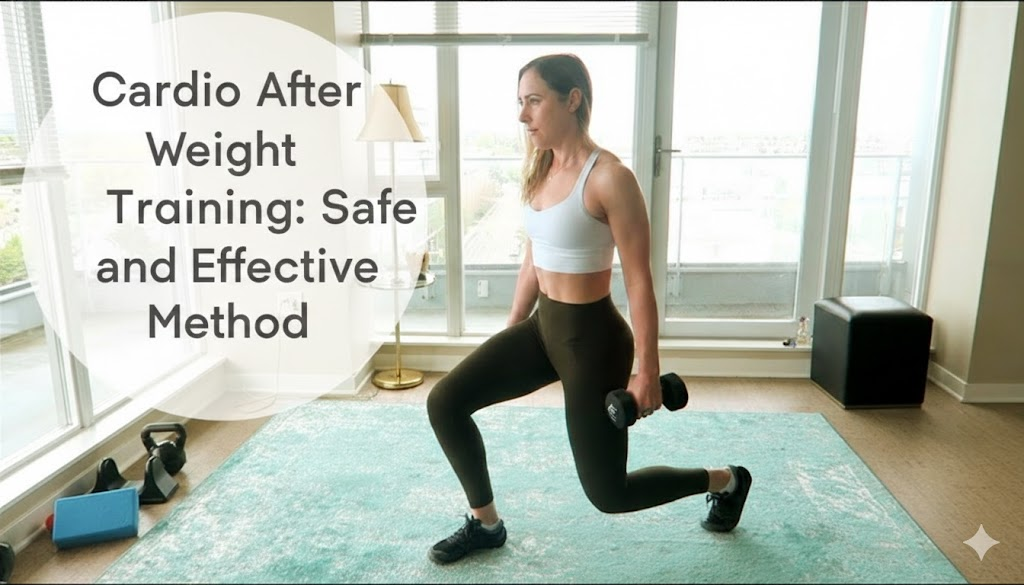
11:Cardio After Weight Training: Safe and Effective Method
Cardio is a safe and effective method for improving overall fitness and supporting fat loss. Starting with weight training allows muscles to work with full strength and proper form. After lifting weights, adding light to moderate cardio helps burn extra calories and supports better metabolism. This method also improves heart health without causing excessive muscle fatigue. Activities like walking, cycling, or slow jogging work well after strength exercises. Cardio promotes balanced workouts, reduces injury risk, and supports long-term fitness when practiced consistently with proper rest and hydration.
12:How Much Cardio After Weights for Fat Loss?
The answer depends on individual fitness levels, goals, and recovery capacity. For most people, moderate-intensity cardio lasting 15–30 minutes after strength training is sufficient. When asking how much cardio after weights for fat loss, it is important to consider overall weekly activity rather than focusing on a single workout.Excessive cardio can interfere with muscle recovery, while too little may slow fat loss progress. A balanced approach that includes strength training, cardio, proper nutrition, and rest delivers the best results over time.
13:Should You Do Cardio Before or After Workout to Lose Weight?
A common question in fitness planning is whether cardio should be done before or after strength training. When the goal is fat loss and muscle preservation, performing cardio after weight training is generally more effective. Lifting weights first allows you to train with maximum strength and intensity, which is harder to achieve if you are already fatigued from cardio.Those who do cardio first may experience reduced strength performance, which can limit muscle-building potential. Therefore, for most individuals, weight training followed by cardio supports better long-term weight management.
14:Does Cardio After Weights Affect Muscle Growth?
Many people worry that adding cardio after lifting may reduce muscle gains. In reality, when managed properly, cardio after weights does not negatively impact muscle growth. The key lies in intensity, duration, and recovery. Moderate cardio sessions enhance blood circulation, improve nutrient delivery to muscles, and support recovery. When combined with adequate protein intake and rest, cardio can coexist with muscle development without causing muscle loss.

15:Doing Cardio After Weight Lifting: Practical Benefits
Doing cardio after weight lifting offers several practical advantages beyond fat loss. It improves cardiovascular health, supports mental well-being, and enhances workout efficiency. By completing both forms of exercise in one session, individuals save time while achieving comprehensive fitness benefits.This routine also helps regulate blood sugar levels and supports heart health, making it beneficial for people of all fitness levels. Over time, the body adapts to this balanced training approach, leading to improved stamina and strength.
16:Cardio Workout After Strength Training for Better Results
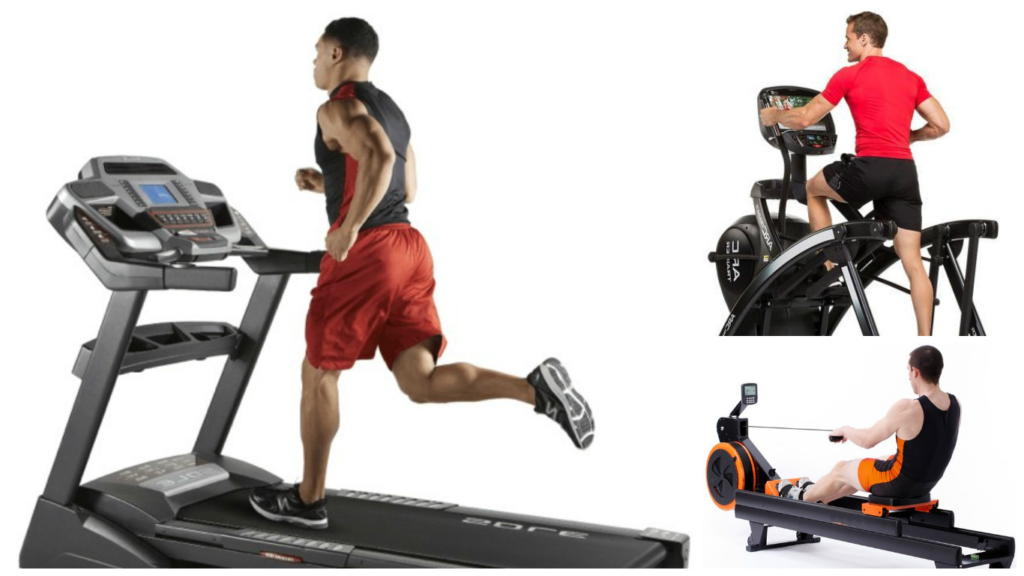
A well-planned cardio workout after strength training can include activities such as brisk walking, cycling, rowing, or light jogging. These low-to-moderate intensity exercises encourage fat utilization without overwhelming the muscles.High-intensity interval training (HIIT) can also be effective when used sparingly. However, beginners should focus on steady-state cardio to avoid excessive stress and reduce the risk of injury.
17:Post Weight Training Cardio Benefits Explained
The post weight training cardio benefits extend beyond calorie burning. This sequence supports improved oxygen utilization, enhanced endurance and better recovery. Cardio helps flush metabolic waste from muscles, reducing soreness and stiffness. Additionally, performing cardio after lifting promotes consistency, as individuals are more likely to complete both components when structured together in one session.
18:Cardio After Weight Training: Smart Workout Strategy
Cardio is a smart workout strategy for people who want better fat loss, improved endurance, and balanced fitness results. When you perform weight training first, your body uses stored glycogen for strength exercises. After that, adding cardio helps your body rely more on stored fat for energy, which supports effective fat burning.
19:How Cardio Training Improves Overall Fitness
Doing cardio also allows you to lift heavier weights with proper form because your muscles are fresh at the start of the workout. This approach helps improve strength, muscle tone, and overall performance. Once resistance training is complete, light to moderate cardio such as brisk walking, cycling, or treadmill jogging helps increase calorie burn without overloading the muscles.
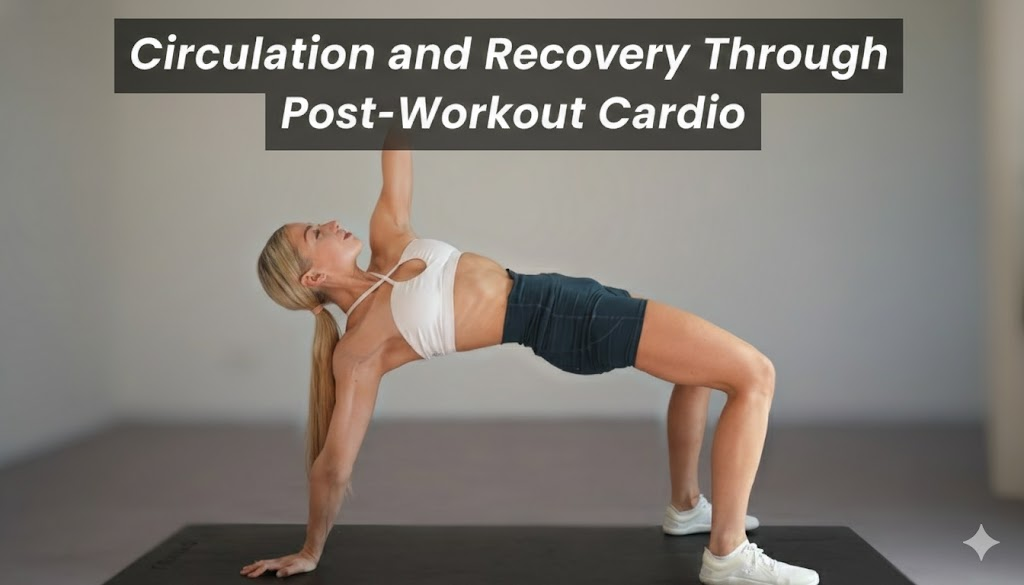
20:Improve Circulation and Recovery Through Post-Workout Cardio
Another advantage of this strategy is better workout efficiency. You can combine strength and cardiovascular benefits in a single session without compromising results. Cardio also supports heart health, boosts metabolism, and improves recovery by increasing blood flow to worked muscles.For best results, keep post-training cardio between 10 to 30 minutes, depending on your fitness goal.
21:Creating a Balanced Cardio and Weight Training Routine
A successful cardio and weight training routine requires careful planning. Strength training should focus on compound movements that engage multiple muscle groups, followed by cardio that complements overall fitness goals.Alternating training intensity throughout the week helps prevent burnout and supports recovery. This balanced structure ensures sustainable progress without overtraining.
22:Guidelines for Cardio After Weight Lifting Sessions
The best cardio after lifting weights depends on personal preference, fitness level, and goals. Activities such as incline walking, cycling, or swimming are gentle on the joints while still effective for fat loss. Selecting enjoyable cardio exercises increases adherence, which is essential for long-term success. Consistency matters more than the specific type of cardio chosen.
23:Cardio After Gym Workout and Recovery
Including cardio after gym workout sessions can support active recovery when done at low intensity. Light cardio increases blood flow, delivering oxygen and nutrients to tired muscles, which aids in faster recovery. This approach is especially helpful on heavy training days when muscles need additional support to recover efficiently.

24:Fat Burning After Weight Training and Long-Term Results
Fat burning after weight training is not limited to the workout itself. The metabolic effects continue for hours, sometimes even days and depending on workout intensity. This prolonged calorie burn contributes to gradual and sustainable fat loss.When combined with proper nutrition and sleep, this strategy leads to improved body composition and long-lasting results rather than temporary weight changes.
25:Last Wording on Cardio After Weight Training
Cardio remains one of the most effective and science backed approaches for fat loss, muscle preservation and overall fitness improvement. By prioritizing strength training first and following it with well structured cardio, individuals can optimize energy use and achieve consistent results.Whether your goal is fat loss and improved endurance, or better health, incorporating cardio into your routine provides a balanced and sustainable path forward. With proper planning, moderation, and consistency, this approach supports long-term success and a healthier lifestyle.
Wrap up
Cardio after weight training is a strategic approach that enhances fat loss while preserving muscle mass. Strength training depletes glycogen stores, making cardio more effective for burning fat. Short to moderate cardio sessions after lifting improve metabolism and cardiovascular health and recovery. When combined with proper nutrition and rest this method delivers sustainable and long term fitness results.
Frequently Asked Questions About Post Workout Cardio
1. Is cardio weight training better for fat loss?
Yes. Performing cardio after lifting weights helps the body use fat as an energy source more efficiently.
2. How long should cardio be after weight training?
Most people benefit from 10–30 minutes of moderate-intensity cardio after strength training.
3. Can beginners do cardio after weight training?
Yes. beginners can start with low intensity cardio and gradually increase duration as fitness improves.
4. Does cardio after weights cause muscle loss?
No. when done in moderation and supported by proper nutrition it does not negatively affect muscle growth.